





A summer holiday in France conjures images of charming streets and iconic landmarks. The reality, however, can be a battle with overwhelming crowds. Here are four top attractions where peak-season visitor numbers can test your patience.
The Louvre Museum, Paris
Home to masterpieces
like the 'Mona Lisa' and the 'Venus de Milo', the Louvre is the world's most visited museum, welcoming around 8.7 million people in 2024. During summer months like July, daily visitor numbers can swell, creating bottlenecks in popular wings. The museum has implemented a daily cap of 30,000 visitors to manage the flow and requires all visitors to book a timed entry slot online in advance. To make the most of your visit, avoid weekends and midday hours. The quietest times are often during the evening openings on Wednesdays and Fridays or first thing in the morning. Arriving for the 9 a.m. opening allows you to head to the most popular exhibits, like the Salle des États for the 'Mona Lisa', before the largest crowds descend. Another strategy is to use a less-frequented entrance, such as the Carrousel du Louvre, instead of the main Pyramid.
The Eiffel Tower, Paris
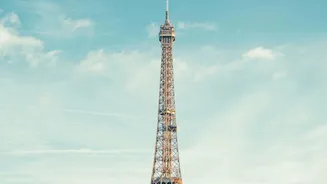
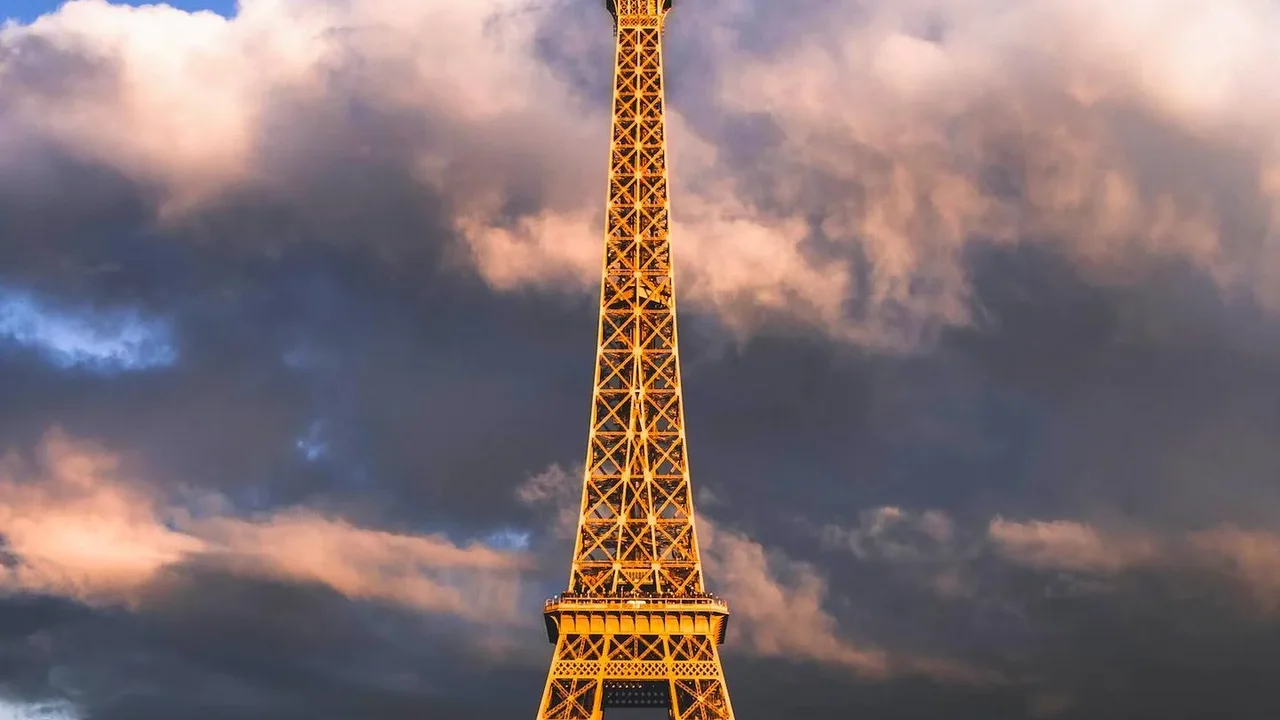
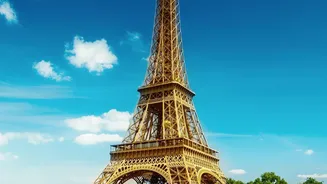
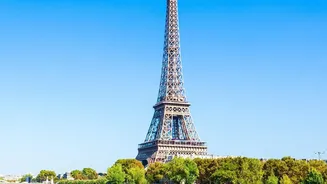
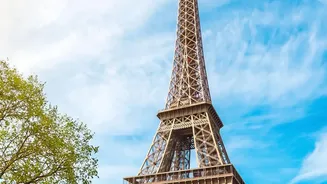
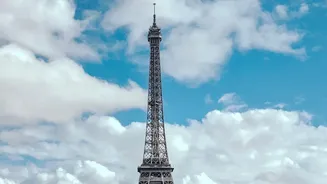
As the quintessential symbol of Paris, the Eiffel Tower attracted 6.3 million visitors in 2023. In peak summer months, daily visitor numbers can range from 15,000 to 25,000. This leads to lengthy queues, not just for tickets but also for security checks and the elevators. Wait times without a pre-booked ticket can exceed two hours during high season. The key to a smoother experience is booking tickets online via the official website well in advance, as slots can sell out weeks or even months ahead for summer dates. The least crowded times to visit are generally early in the morning right at opening or later in the evening. Weekdays, particularly Tuesdays and Wednesdays, tend to be calmer than weekends. For those with the energy, taking the stairs to the second floor is often a quicker and more rewarding alternative to the crowded lifts.
Palace of Versailles
The opulent former home of French royalty, the Palace of Versailles, sees visitor numbers that can exceed 30,000 per day in August. The sheer volume of people can make navigating the State Apartments and the famous Hall of Mirrors a slow, shuffling ordeal, especially with midday tour groups. To avoid the worst of the congestion, planning is essential. Tuesdays are notoriously busy, as many other Parisian museums are closed, funnelling tourists toward Versailles. The best days to visit are typically Wednesdays and Thursdays. A smart strategy is to arrive early, before the palace opens at 9 a.m., to explore the vast gardens first. Then, enter the palace in the late afternoon (around 3 p.m. or later) when the large tour groups have started to depart. Booking a timed-entry ticket online is mandatory and should be done well in advance.
Mont Saint-Michel, Normandy
This dramatic tidal island and its abbey are France's most visited attraction outside of Paris, drawing around three million visitors a year, with a third of them arriving in the summer. The site's unique geography is both its charm and its challenge; a single narrow main street, the Grande Rue, becomes incredibly congested, particularly between 11 a.m. and 4 p.m. The experience can feel less like a medieval pilgrimage and more like a modern-day traffic jam. To counter this, authorities have been experimenting with measures to spread out visitors. The best advice for travellers is to avoid the midday rush. Arriving before 9 a.m. or after 4 p.m. offers a completely different, more serene experience. An even better option is to stay overnight on or near the island, allowing you to explore its atmospheric, lamp-lit streets after the day-trippers have departed and witness the magnificent sight of the empty causeway at high tide.