



Finding the space, time, or energy for a workout can be a major hurdle. But what if one of the most effective exercises required almost no space at all? At-home walking sessions are a simple, powerful way to boost your health from your living room.
Why Walk at Home?
Walking
is a low-impact exercise celebrated for its wide-ranging health benefits. It strengthens your heart, helps lower blood pressure, reduces the risk of chronic conditions like Type 2 diabetes, and can improve your mood and sleep quality. The beauty of an at-home walking workout is its accessibility. It removes common barriers like bad weather, gym fees, or safety concerns about walking outdoors after dark. Whether you march in place while watching television or pace in your hallway, you are engaging in cardiovascular activity that supports weight management and strengthens the major muscles in your legs. It's a convenient and effective way to meet the recommended 150 minutes of moderate physical activity each week without ever leaving your house.
Techniques for Tight Spaces
You don’t need a long hallway to get a great walking workout. The key is to use structured movements in a small, dedicated area. 'Walking in place' is the simplest method. To make it effective, focus on good posture: stand tall, engage your core, and swing your arms as you march, lifting your knees to increase intensity. You can follow guided video routines that incorporate movements like side steps, leg curls, and kickbacks to keep things interesting and work different muscles. Another option is to create a small circuit in your room, walking in a square or figure-eight pattern. The simple act of turning and changing direction can help with balance and coordination. The goal is to keep your body moving continuously and your heart rate elevated.
Turn Your Walk Into a Workout
A casual stroll is good, but a structured workout is better. To maximize the benefits, you need to increase the intensity. Interval training is a highly effective method: alternate between a moderate pace for a few minutes and a high-intensity burst for 30-60 seconds. During your high-intensity intervals, you can march faster, lift your knees higher, or pump your arms more vigorously. Incorporating simple strength exercises can also elevate your heart rate and calorie burn. Try adding bodyweight squats, lunges, or calf raises every few minutes. Using light hand weights or resistance bands while you walk can add an upper-body and resistance component, turning your cardio session into a more comprehensive, full-body workout.
Do You Need Special Gear?
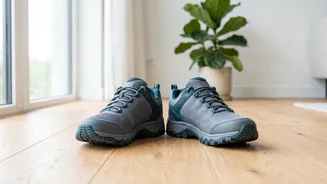
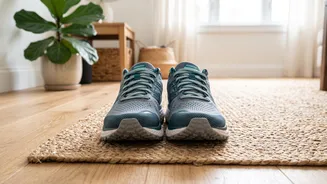
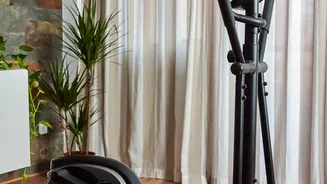
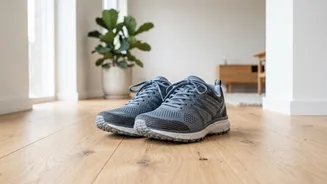
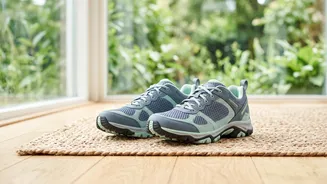
The best part about at home walking is that you can start with nothing but a good pair of supportive shoes. However, if you want to invest in your indoor walking routine, there are several options. A pedometer or fitness tracker can help you monitor your steps and stay motivated. For those with more space and budget, a folding treadmill offers options for jogging and incline training. A more compact and increasingly popular choice is a 'walking pad'—a slim, motor driven belt without large handles that's designed for walking and can often be stored under a sofa or bed. These devices are perfect for getting your steps in while working at a standing desk or watching TV, making it easier to integrate movement into a sedentary day.