





The Foundation: A Fridge Treaty
Whether in a bustling office or a shared flat, the communal fridge is ground zero for potential disagreements. Unclaimed food, mysterious odours, and a chronic lack of space can turn a convenience into a constant source of frustration. The solution is a shared agreement,
or a 'fridge treaty'. This doesn't need to be a complex legal document, but a simple set of guidelines that everyone agrees to follow. The goal is to reduce food waste, prevent arguments, and maintain a clean, hygienic space for everyone. Establishing rules promotes common courtesy and makes it less socially acceptable for people to break them. By setting clear expectations, you create a system of mutual respect that benefits the entire group.
Rule One: Master the Art of Labeling
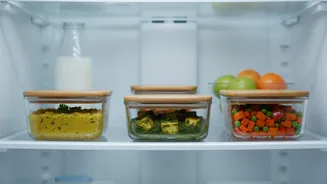
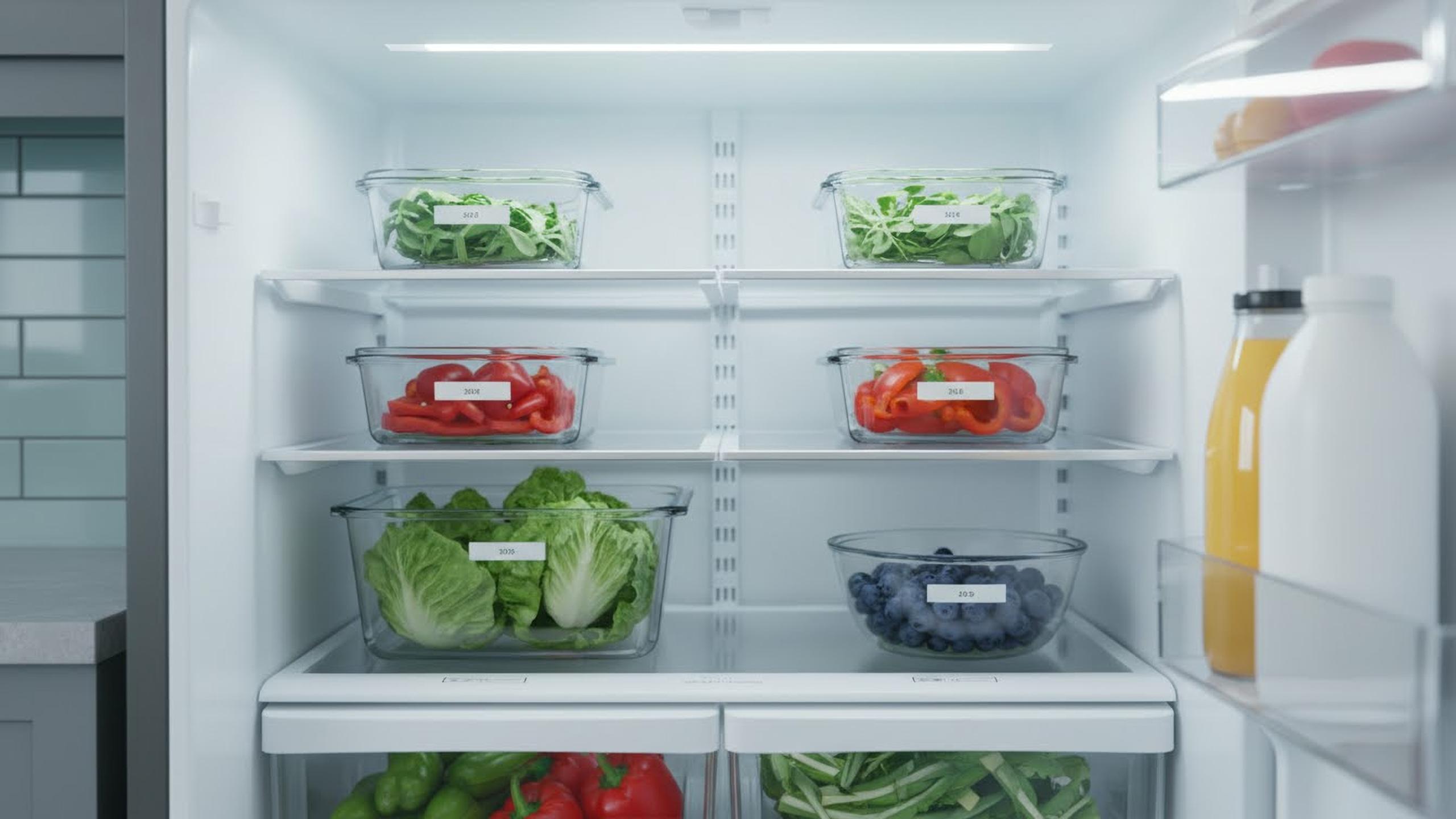
The single most effective tool in any shared fridge agreement is the humble label. Unmarked containers are mysteries waiting to become science experiments. To avoid confusion and accidental 'theft', every item should be clearly marked. A good label includes the owner's name and the date the item was placed in the fridge. You can keep a roll of masking tape and a permanent marker near the refrigerator to make this easy for everyone. For items that are up for grabs, like leftovers from a company party, a clear 'Help Yourself' note prevents good food from going to waste. This simple habit eliminates guesswork and makes it clear who is responsible for each item.
Navigating the World of Leftovers
Leftovers are a primary cause of fridge clutter and food safety concerns. While it’s great to reduce waste, storing cooked food indefinitely is a health risk. According to food safety authorities, most cooked leftovers should be consumed within three to four days. Beyond this window, harmful bacteria can multiply to dangerous levels, even if the food still looks and smells fine. In India, the Food Safety and Standards Authority of India (FSSAI) suggests an even tighter window of 48 hours for refrigerated cooked food, noting that reheating does not always destroy heat-stable toxins that can form. To stay safe, always store leftovers in clean, airtight containers and refrigerate them within two hours of cooking. And remember the golden rule: when in doubt, throw it out.
The Weekly Clear-Out Ritual
To prevent the slow accumulation of forgotten food, a weekly clear-out is non-negotiable. This should be a scheduled, predictable event, such as every Friday afternoon. The rule is simple: any unlabeled item or food past its prime is removed. To make this fair, a warning can be sent out a day in advance, giving people a last chance to claim their items. This responsibility can rotate among a team or be assigned to a willing volunteer. The key is consistency. A regular clean-out ensures that the fridge starts each week fresh, organised, and with plenty of space for everyone. It also prevents the build-up of mould and unpleasant odours that can contaminate the entire appliance.
Advanced Etiquette and Conflict Resolution
Beyond the core rules, good etiquette makes a world of difference. This includes cleaning up your own spills immediately, not storing pungent foods like fish without being in a sealed container, and being mindful of how much space you use. Don't bring in a week's worth of lunches on Monday if space is at a premium. If conflicts do arise, address them gently. A passive-aggressive note often creates more tension. Instead, a friendly reminder of the agreed-upon rules or a group email can be more effective. If someone consistently disregards the rules, a private, polite conversation is a better first step than public shaming. The goal is collaboration, not enforcement.