



The Tyranny of the Checklist
We all know the feeling. You’ve booked a five-day trip to a new city, and the itinerary is packed tighter than a Mumbai local at rush hour. Day 1: museum, monument, famous bridge. Day 2: historic fort, walking tour, rooftop bar. You’re constantly checking
the time, snapping photos you’ll never look at again, and moving so fast the destinations blur into a single, exhausting montage. This is ‘checklist travel’. Driven by social media pressure and a deep-seated Fear of Missing Out (FOMO), this approach treats travel like a competitive sport. The goal isn’t to experience a place, but to conquer it—to collect sights and prove you were there. The result? You come home more tired than when you left, with a camera roll full of photos but a distinct lack of genuine memories.
Enter the Slow Holiday
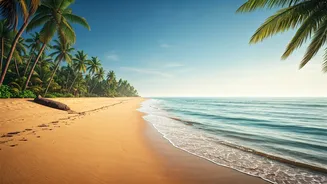
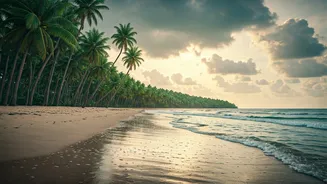
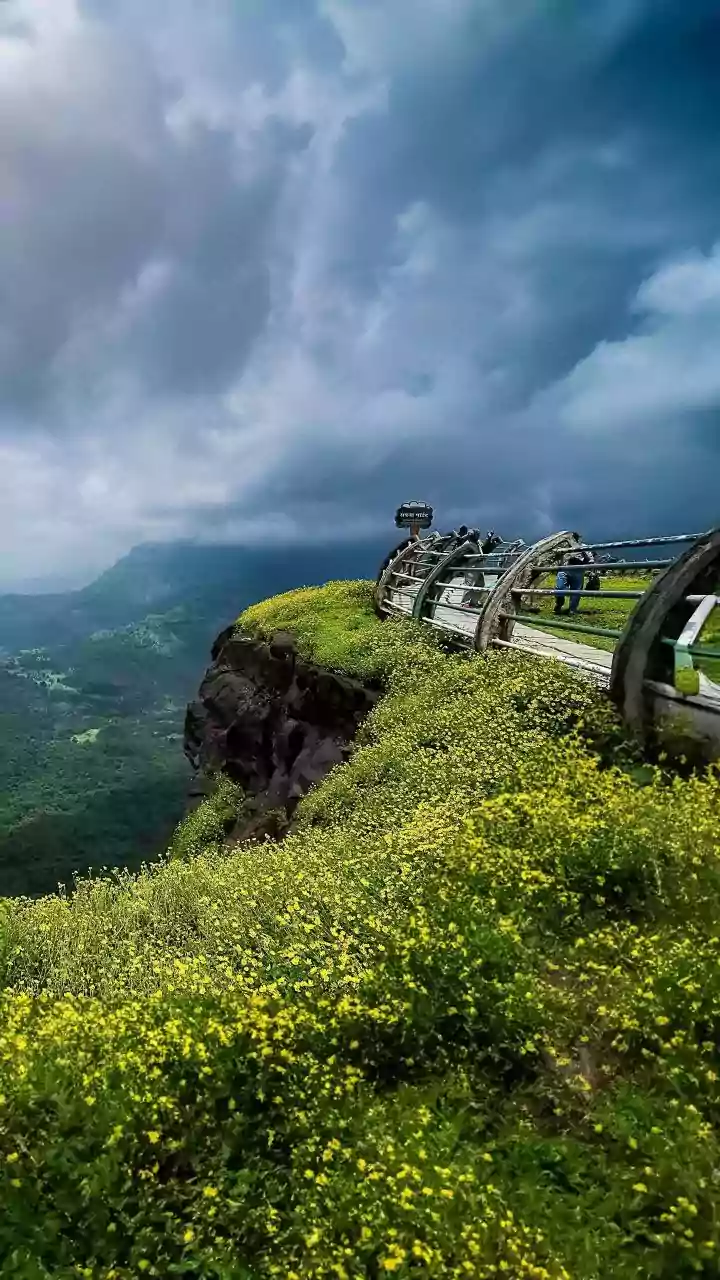
In direct rebellion against this frantic pace, the concept of the ‘slow holiday’ is gaining serious momentum. It’s not about being lazy or inactive. Instead, it’s a mindset shift. Slow travel prioritises depth over breadth, connection over collection. It’s about choosing one destination—a single town in the hills, a quiet coastal village, or one neighbourhood in a sprawling city—and truly getting to know it. Imagine renting a homestay in a quiet corner of Goa for a week instead of hopping between North and South in three days. You learn the local baker’s name, find the best chai stall, spend afternoons reading by the sea, and let the rhythm of the place dictate your days. It’s travel that allows for serendipity—the unplanned conversations, the hidden alleyways, and the quiet moments of observation that are impossible when you’re rushing to the next item on your list.
Why Is This Happening Now?
This shift isn't accidental. It’s a direct response to the pressures of modern life. The initial post-pandemic wave of “revenge travel” saw people trying to make up for lost time with packed, ambitious trips. The inevitable burnout from that has led to a course correction. We’re collectively realising that the goal of a holiday should be restoration, not another source of stress. Furthermore, digital fatigue is playing a huge role. We spend our working lives glued to screens, optimising every minute. A slow holiday is the ultimate antidote—an invitation to disconnect from the digital world and reconnect with the physical one. It’s a move towards more conscious consumption, where travellers seek authentic cultural exchanges over superficial tourist traps. Sustainability is also a factor, as staying in one place reduces your carbon footprint compared to constantly being in transit.
Embracing the Joy of Missing Out
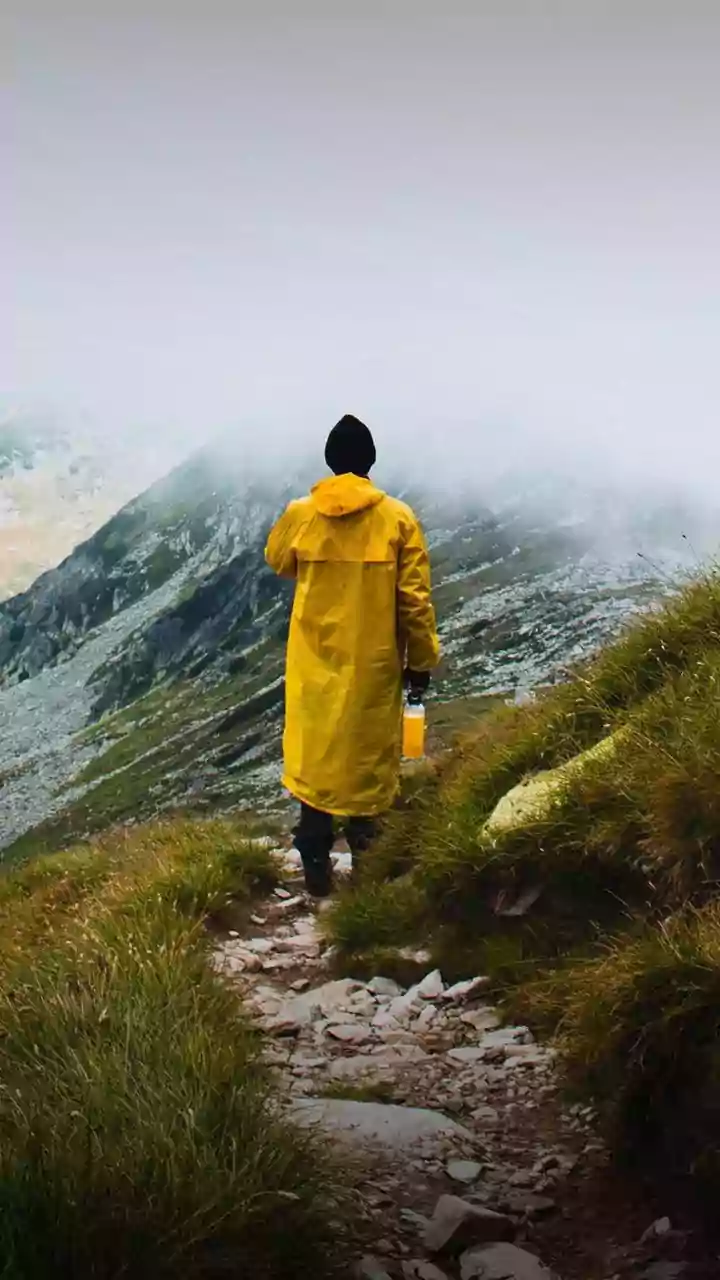
The engine of checklist travel is FOMO. The power of slow travel lies in its opposite: JOMO, or the Joy of Missing Out. It’s the conscious decision to miss out on the crowded, overhyped attractions in favour of something more personal and meaningful. It’s the confidence to say, “No, I didn’t see that famous monument, but I did spend an entire afternoon learning to cook a local dish with my host.” This is where the richest travel memories are made. You won’t remember the tenth temple you visited, but you will remember the long, leisurely walk through a coffee plantation, the unexpected festival you stumbled upon in a village square, or the simple pleasure of watching a sunset without feeling the need to post it online immediately. JOMO is about trading a long list of fleeting glimpses for a short list of deeply felt experiences.
How to Plan Your Slow Holiday
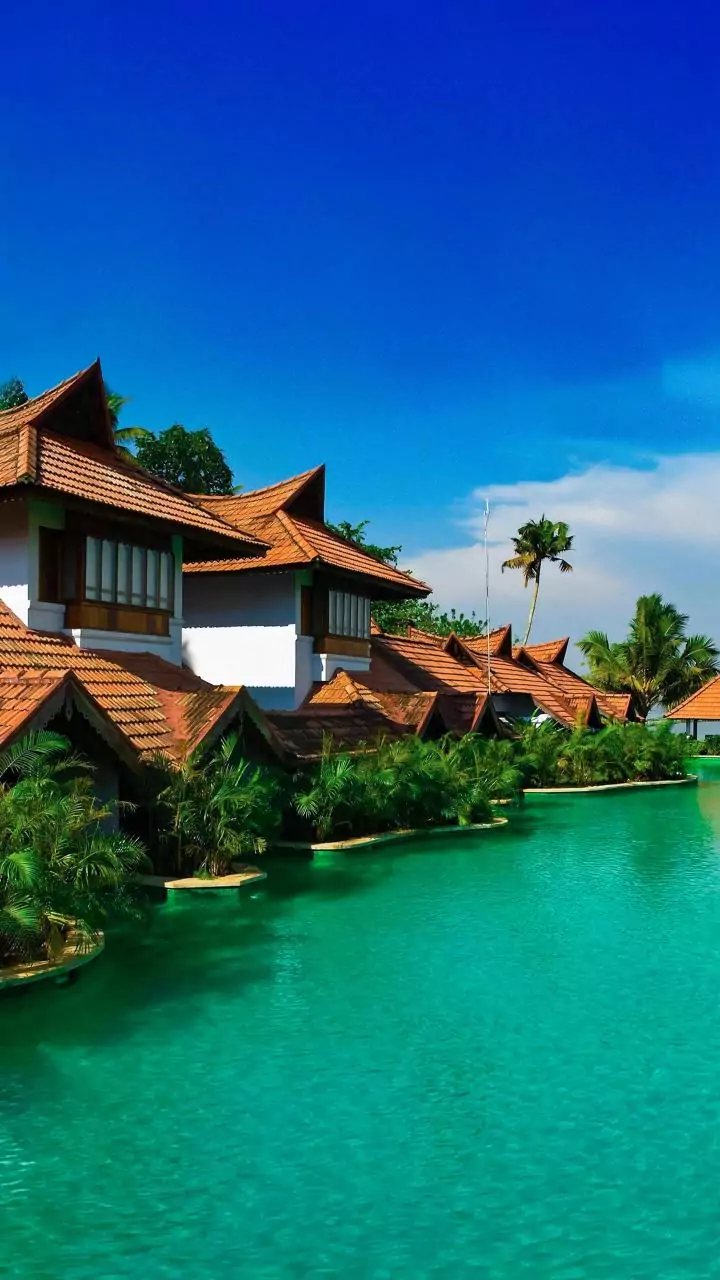
Adopting a slow travel mindset doesn’t require a complete overhaul of your plans, just a change in perspective. 1. **Stay longer in one place:** Instead of three cities in one week, pick one and explore its surroundings. 2. **Rent a local home or stay in a homestay:** This provides a deeper connection to the place and its people than a generic hotel. 3. **Build empty space into your itinerary:** Don't schedule every hour. Leave entire afternoons free for spontaneous discovery. 4. **Walk or use local transport:** It’s the best way to observe daily life and discover things you’d miss from a taxi window. 5. **Focus on an activity, not just sights:** Learn a local craft, take a cooking class, or volunteer. Let an interest guide your exploration.