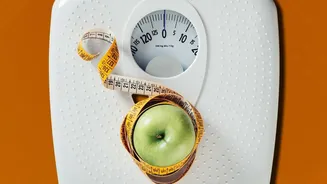







The Scale Isn't the Whole Story
First, let's get one thing straight: the number on your bathroom scale measures everything — muscle, bone, organs, water, and yes, fat. Daily changes are most often the result of shifts in your body's water content, not a sudden increase in body fat. Gaining
even one kilogram of fat requires consuming a significant surplus of calories, something unlikely to happen overnight. Daily fluctuations of two to three kilograms are completely normal and are typically due to fluid shifts.
The Role of Carbohydrates and Glycogen
One of the primary drivers of water retention is carbohydrate intake. When you eat carbs, your body converts them into glycogen, which is then stored in your muscles and liver as a ready source of energy. For every gram of glycogen your body stores, it also holds onto approximately three to four grams of water. This is why you might notice a significant weight jump after a carb-heavy meal, like pasta or pizza. It’s not fat; it’s simply your body storing the necessary water to go along with its fuel. This effect is also why people on low-carb diets often see rapid initial weight loss — they're shedding stored water along with the glycogen.
Sodium's Impact on Fluid Balance
That salty takeaway or bag of chips can also make the scale tip upwards. When you consume a high amount of sodium, your body holds onto extra water to dilute the sodium and maintain a balanced internal environment. This process can lead to a feeling of puffiness or bloating and a temporary increase in weight. A significant portion of the sodium in modern diets comes from processed foods, restaurant meals, and condiments, not just the salt shaker. Studies have directly linked high-sodium diets with increased reports of bloating.
How Exercise Influences Your Weight
It might seem counterintuitive, but a tough workout can lead to a temporary weight increase. When you engage in strenuous exercise, especially strength training, you create microscopic tears in your muscle fibres. This is a normal part of the muscle-building process. In response, your body initiates an inflammatory healing process, which involves retaining fluid around the muscles to help them repair. This can lead to soreness and a small, temporary gain on the scale. Furthermore, starting a new cardio routine can cause your body to increase its blood volume to improve fitness, which also adds water weight.
Hormonal Shifts and Other Factors
For many women, the menstrual cycle brings predictable weight fluctuations. Changes in the hormones estrogen and progesterone can affect how the body manages sodium and water, often leading to fluid retention and bloating in the days leading up to a period. Stress can also be a factor; when you're stressed, your body releases the hormone cortisol, which can influence fluid balance and cause water retention. Even things like a late-night meal, poor sleep, or changes in your bowel routine can have a minor, temporary impact on the number you see on the scale.