




Nature's Head Start
If you've ever felt intimidated by gardening, the monsoon is the perfect time to begin. The season provides a natural advantage that makes the process far more forgiving for newcomers. The consistent rainfall means you don't have to worry constantly about
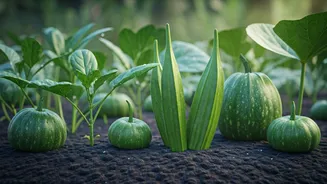
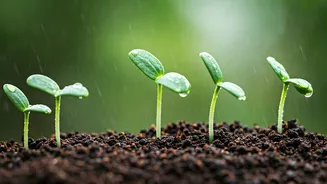
watering schedules. The high humidity creates a greenhouse-like effect, encouraging seeds to germinate quickly and cuttings to take root. Furthermore, the cloud cover and lower temperatures protect delicate seedlings from the harsh sun that can scorch them in other seasons. Essentially, the monsoon does much of the hard work for you, creating a lush, supportive environment for plants to thrive.
Preparing Your Pots and Soil
Before you sow a single seed, a little preparation goes a long way. The single most important factor for monsoon gardening is drainage. Constant rain can lead to waterlogged soil, which drowns roots. Ensure every pot you use has several drainage holes at the bottom. If you're using traditional terracotta pots, that's great. If you're upcycling plastic containers, be sure to drill extra holes. For your soil mix, a simple and effective recipe for beginners is one part garden soil, one part compost (like vermicompost), and one part cocopeat or sand. This blend retains necessary moisture while allowing excess water to drain away, preventing root rot.
Easy Vegetables to Start With
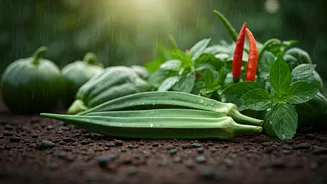
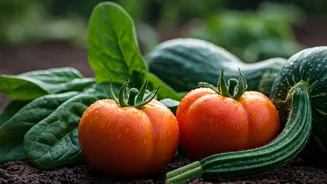
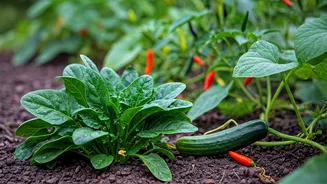
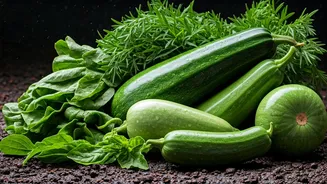
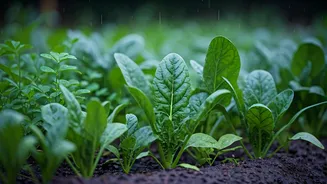
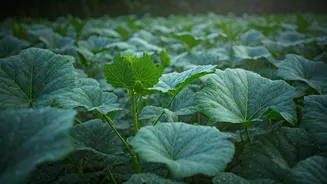
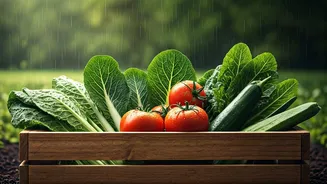
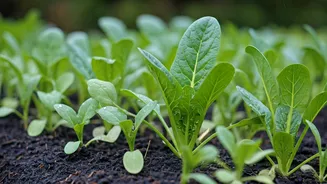
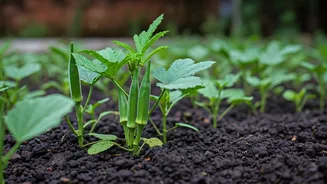
The joy of harvesting something you've grown yourself is immense. The monsoon is ideal for a variety of fast-growing vegetables. Start with these: - **Spinach (Palak):** This leafy green loves the cool, moist conditions of the monsoon. It grows quickly, and you can start harvesting leaves in just a few weeks. Sow seeds directly in a wide container or grow bag. - **Okra (Bhindi):** A staple in Indian kitchens, bhindi plants flourish during the rains. They are hardy and relatively low-maintenance. Soak the seeds overnight before planting for better germination. - **Radish (Mooli):** Another fast-grower, radishes can go from seed to harvest in as little as a month. Their roots develop well in the soft, damp soil of the monsoon. Both the root and the leaves are edible. - **Cucumber (Kheera):** These climbers love water and will produce prolifically during the monsoon. Provide them with a small trellis or support to climb on. Seeing the cucumbers hang from the vine is incredibly rewarding.
Flowers and Herbs for Your Balcony
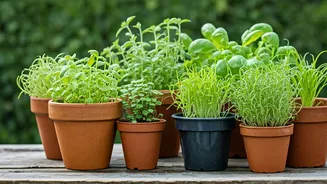
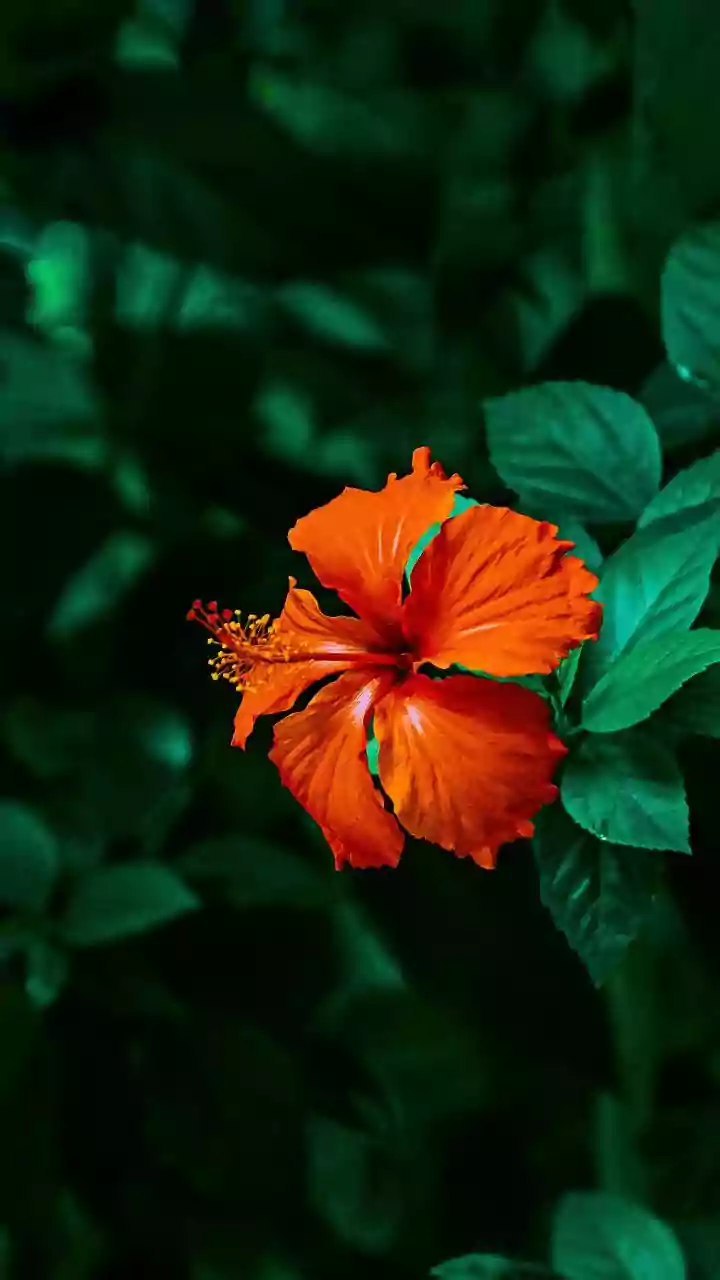
Your monsoon garden doesn't have to be just about vegetables. Adding flowers and herbs can bring colour, fragrance, and flavour to your space. Marigolds (Genda) are incredibly easy to grow and are known to be natural pest repellents. Balsam, with its vibrant flowers, is another monsoon favourite that thrives in damp conditions. For herbs, consider planting a pot of Tulsi (Holy Basil), which is both auspicious and useful for tea. Mint (Pudina) is another great choice; it grows vigorously in the rain and is perfect for chutneys and refreshing drinks. These plants require minimal care and will reward you with their beauty and utility.
A Few Monsoon Pitfalls to Avoid
While the season is helpful, it’s not without its challenges. The biggest mistake is overwatering. Remember, the rain is already doing a lot of the work. Before watering, stick your finger an inch into the soil; if it feels damp, wait. The second challenge is pests. The damp weather can encourage slugs, snails, and fungal diseases. Regularly check your plants, especially the undersides of leaves. A simple spray of neem oil solution (available at most garden stores) once a week can help keep most common pests at bay. Finally, ensure your pots are placed where they get at least 4-5 hours of sunlight, as even monsoon plants need light to photosynthesise and grow strong.