





Why Standing Water Is The Enemy
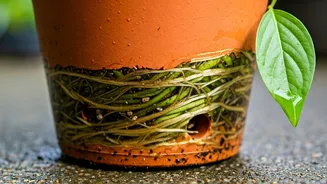
The core principle of monsoon plant care is understanding one simple fact: plant roots need to breathe. When a pot becomes waterlogged, the tiny air pockets in the soil fill with water, effectively drowning the roots. This condition, known as root rot,
creates an anaerobic environment where harmful fungi and bacteria thrive. The roots, deprived of oxygen, begin to decay, losing their ability to absorb nutrients and water. Ironically, an overwatered plant often looks like an underwatered one — its leaves may wilt, turn yellow, and drop. This is because the damaged root system can no longer support the plant. Fungal diseases also flourish in the damp, humid conditions of the monsoon, and soggy soil is their favourite breeding ground.
Rethink Your Pot and Saucer Setup
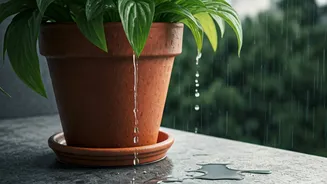
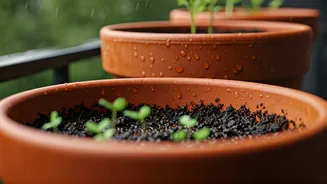
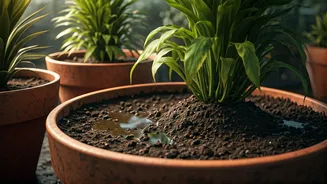
The first line of defence against waterlogging is your container. Before the heavy rains set in, take the time to inspect all your pots. Ensure every single one has at least one, if not several, drainage holes at the bottom. If they are clogged with old soil or roots, clear them out with a stick or screwdriver. For plants that live outdoors on a balcony or patio, remove the saucers or trays that sit underneath them. These trays are excellent for catching drips indoors, but during the monsoon, they will quickly fill with rainwater, forcing your plant to sit in a puddle. If you must use trays, make it a daily habit to empty them after every shower. Elevating pots on 'pot feet' or even a few bricks can also significantly improve drainage and airflow around the base.
Create a Monsoon-Proof Soil Mix
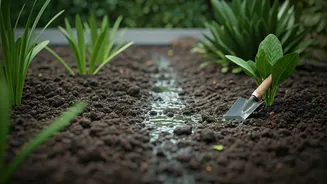
Standard garden soil or generic potting mix can become dense and compacted when saturated with rain. To combat this, you need to create a lighter, more porous growing medium. The goal is to have soil that holds just enough moisture but allows the excess to drain away freely. A simple and effective monsoon soil recipe involves mixing equal parts of regular potting soil, coarse sand (like river sand, not fine construction sand), and a lightening agent like cocopeat or perlite. The sand creates larger particles for water to flow through, while cocopeat and perlite help retain air pockets even when the soil is wet. Repotting key plants into this mix before the monsoon peaks can be a garden-saver, especially for succulents, cacti, and other varieties prone to rot.
Watering: When Less Is More
It may sound counterintuitive, but you still need to monitor your watering schedule during the monsoon, especially for plants kept in covered areas like verandas or balconies that don't receive direct rain. The high humidity means that soil dries out much more slowly. Never water on a fixed schedule. Instead, adopt the 'finger test': stick your index finger about an inch into the soil. If it feels damp, wait another day or two. Only water when the top layer of soil feels dry to the touch. The constant cloud cover and lower light levels also mean that plants are photosynthesizing less, and therefore using less water. Overwatering is one of the most common mistakes gardeners make during this season.
Prune for Better Air Circulation
A dense, overgrown plant is a magnet for fungal diseases like powdery mildew during the monsoon. The thick foliage traps moisture and prevents air from circulating, creating the perfect damp environment for spores to multiply. Strategic pruning can make a huge difference. Trim away any crowded branches, yellowing or dead leaves, and any stems that are touching the soil. This opens up the plant, allowing air to flow freely through the leaves and helping them dry off faster after a downpour. It also allows more sunlight to penetrate the inner parts of the plant when the sun does make an appearance. A well-pruned plant is a healthier and more resilient plant.
Pest Patrol and Fungal Watch
The monsoon brings out a host of pests that love the damp conditions. Be on the lookout for slugs and snails, which can decimate leafy greens overnight. You can create barriers with crushed eggshells or pick them off by hand during the evening. Fungal issues are also rampant. If you see white, powdery spots on leaves (powdery mildew) or dark spots, act quickly. Remove the affected leaves immediately to prevent it from spreading. A preventive spray of neem oil solution (a few drops of neem oil and liquid soap mixed in water) every 10-15 days can help keep both pests and fungal infections at bay. Remember to spray the undersides of leaves as well.