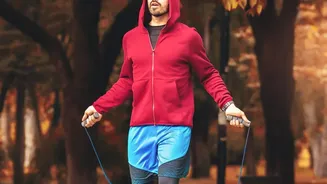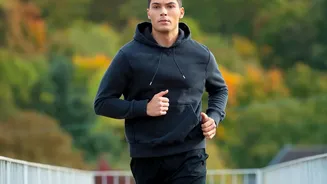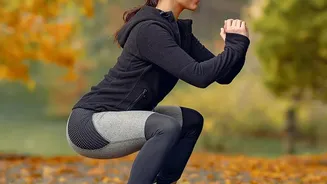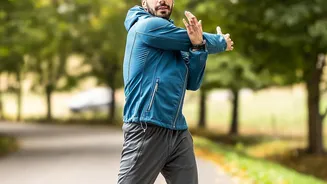



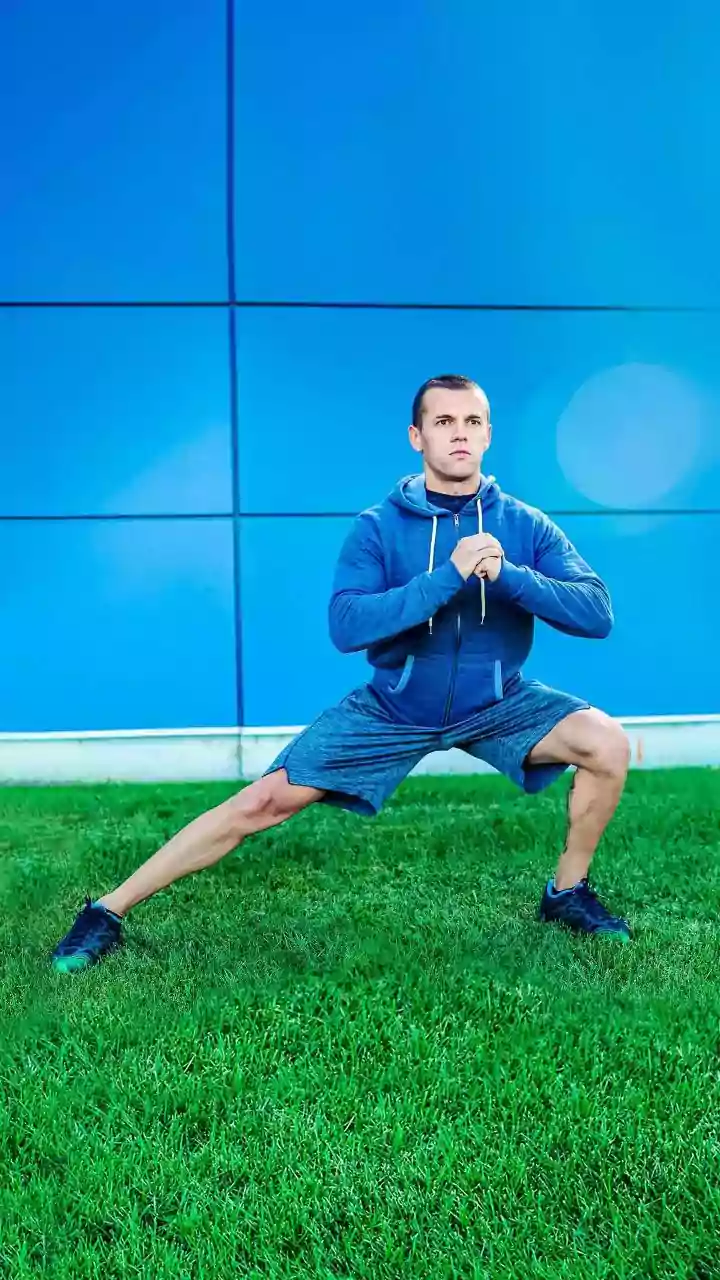



The Cool-Down: More Than Just an Afterthought
Think of a cool-down as the gradual, respectful closing of your workout session. Its primary job is to help your body transition from a state of high stress back to its resting state. After intense exercise, your heart rate is elevated, your body temperature
is high, and your blood vessels are widened to pump oxygen to your muscles. Stopping abruptly can cause blood to pool in your limbs, leading to dizziness or even fainting. A proper cool-down, consisting of light activity like walking and stretching, allows your heart rate to decrease gradually, helps prevent muscle stiffness, and aids in clearing metabolic waste products like lactic acid from your muscles. It’s a fundamental part of any complete workout, ensuring your body recovers safely and efficiently.
Why October's Weather Is a Unique Challenge
October in India is a month of transition. In northern states, it brings a pleasant, dry coolness, especially during mornings and evenings. In the south and coastal areas, heat and humidity may linger. This variability is precisely why a cool-down becomes non-negotiable. When you exercise, your body generates significant heat. If you finish a run in the now-brisk evening air, the sudden drop in external temperature can cause your warm, pliable muscles to tighten up rapidly. This quick change increases the risk of stiffness and soreness. The cooler air can feel deceptive, but your core temperature is still high and needs to come down slowly to avoid shocking the system. Your muscles, having worked hard, are vulnerable, and this sudden environmental shift from exercise-induced heat to external cool is a recipe for post-workout aches if not managed correctly.
The Risks of Skipping Your Cool-Down
Ignoring a cool-down, especially in changing weather, can sabotage your fitness goals. The most immediate risk is increased muscle soreness and stiffness, often called Delayed Onset Muscle Soreness (DOMS). When your hot muscles are suddenly exposed to cooler air without a gradual transition, they can contract and tighten, leading to discomfort that can last for days. This stiffness not only makes your next workout more difficult but also increases your risk of injury, as tight muscles are less efficient and more prone to strains. Furthermore, abruptly stopping intense activity can cause a sudden drop in blood pressure, making you feel lightheaded or nauseous as your circulatory system struggles to adapt. This simple five-to-ten-minute routine is a powerful tool for injury prevention and ensuring you can train consistently.
Your 10-Minute Autumn Cool-Down Guide
Making a cool-down a habit is simple. The goal is to gradually lower your intensity, not stop suddenly. First, dedicate 3-5 minutes to light cardio. If you were running, slow to a jog, then a brisk walk. This keeps blood circulating, preventing it from pooling in your legs. Next, focus on 5-7 minutes of static stretching, holding each stretch for 30-60 seconds. Your muscles are warm and pliable, making it the perfect time to improve flexibility. Focus on the major muscle groups you used. For runners and cyclists, this includes the standing quadriceps stretch, a seated hamstring stretch, and a calf stretch against a wall. To address the hips, which work hard in most activities, include a piriformis stretch (lying on your back and pulling one ankle-on-knee towards you) and a butterfly stretch. This routine helps lengthen the muscle fibres you just worked, promoting recovery and reducing next-day tightness.
Layering and Hydration: The Final Pieces
Your cool-down strategy isn't just about movement; it's also about what you wear and drink. As you begin your cool-down walk, you might feel hot, but your body will cool rapidly in the brisk air. Have a light jacket or long-sleeved shirt ready to put on. This traps a thin layer of warmth, preventing your muscles from cooling down too quickly and becoming stiff. Hydration is also key. The drier post-monsoon air can be deceptive, and you may still be losing significant fluids through sweat. Make sure to drink water or an electrolyte beverage after your workout to replenish what you've lost, which is critical for muscle repair and function.