






The Challenge of Natural Light
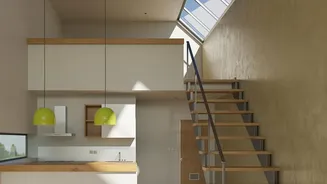
A home flooded with natural light feels larger, more inviting, and can even boost your mood and lower energy bills. But a dark, gloomy space is a significant problem that is surprisingly hard to remedy. Adding more daylight isn't as simple as changing
a lightbulb. Solutions like installing new windows or skylights are expensive and structurally complex. Adding a single skylight can cost thousands of dollars, and cutting new window openings into a wall involves structural assessments, permits, and significant construction work. These projects are far more invasive than cosmetic upgrades. Before you buy, assess the home’s light at different times of the day to see how it changes. Note the window orientation—south-facing windows typically receive the most consistent light. Also, look for external obstructions like tall trees or nearby buildings that could cast permanent shadows on your property.
Assessing a Home's Airflow
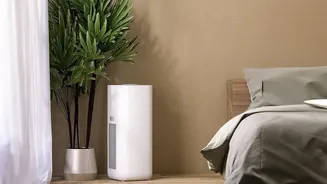
Good ventilation is crucial for a healthy home, preventing issues like stale odours, condensation, and even mould growth. Poor airflow, on the other hand, can make a home feel stuffy and uncomfortable, leading to inconsistent temperatures and poor indoor air quality. Fixing fundamental airflow problems after you've moved in can be a major undertaking. If a home's layout doesn't allow for natural cross-ventilation, your options are limited. Major fixes might involve a complete overhaul of the HVAC system, including redesigning ductwork, which can be disruptive and costly. Technicians often find issues like collapsed or disconnected ducts hidden in walls or attics. During a viewing, pay attention to any musty smells, which can signal dampness and poor circulation. Check if exhaust fans in bathrooms and kitchens are working properly. If possible, open a few windows to see if you can create a natural breeze. Notice if any rooms feel particularly stuffy or if there are hot and cold spots throughout the house.
The Pervasive Problem of Noise
Unwanted noise from traffic, neighbours, or even within the house can seriously disrupt your peace and quiet. What many buyers don't realise is that effective soundproofing is not a simple weekend project. True soundproofing often requires tearing walls down to the studs to add specialised materials like acoustic caulk, multiple layers of drywall, and resilient channels. Surface-level fixes like acoustic foam panels or heavy curtains offer minimal relief from significant noise. Soundproof windows and doors are highly effective but come at a premium, often costing thousands of dollars per unit. Before making an offer, it is essential to gauge the noise levels around the property. Visit the home at different times of the day and night, including rush hour and weekends, to understand the area's sound profile. Listen for traffic, nearby train tracks or flight paths, barking dogs, and neighbourhood activity. If you're considering an attached property like a condo or townhome, try to visit in the evening when neighbours are more likely to be home to get a sense of noise transfer between units.