






More Than Just Comfort Food
Dal has always been the foundation of a comforting Indian meal. Paired with rice or roti, it is a daily ritual in millions of households. Traditionally valued for being affordable and filling, its role was often seen as simple nourishment. However, a significant
shift is underway. Health professionals are now looking at dal not just as a staple food, but as a key player in managing some of India's most pressing health concerns. This new perspective is based on a growing body of scientific evidence highlighting the specific, powerful benefits locked within these tiny lentils. The conversation is moving beyond dal as a mere source of vegetarian protein and into its role as a functional food that can actively improve health outcomes.
A Nutritional Powerhouse
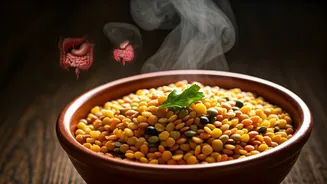
What is it about dal that has nutritionists so excited? The answer lies in its dense nutritional profile. Dal is an excellent source of plant-based protein, which is essential for building and repairing muscle. It's also packed with dietary fibre, a crucial nutrient for digestive health and promoting a feeling of fullness, which aids in weight management. But that's not all. Lentils are rich in essential micronutrients like folate, iron, potassium, and magnesium. Folate is vital for cell growth, iron helps prevent anaemia, potassium assists in regulating blood pressure, and magnesium supports bone health and improves insulin sensitivity. This combination of protein and fibre makes dal one of the most satiating foods, helping to control appetite naturally.
A Weapon Against Lifestyle Diseases
One of the most significant reasons for dal's new status is its effectiveness in managing lifestyle diseases like diabetes and heart conditions. Lentils have a low glycemic index (GI), which means they release sugar into the bloodstream slowly and steadily. This prevents the sharp spikes in blood glucose that are dangerous for individuals with diabetes. The high fibre content further aids in blood sugar control by slowing down the absorption of carbohydrates. Studies have shown that regular consumption of lentils can improve glycemic control. Furthermore, the fibre in dal helps lower 'bad' LDL cholesterol levels, while its potassium content helps counter the effects of sodium to maintain healthy blood pressure. These heart-healthy properties make dal a key component of a diet aimed at preventing cardiovascular disease.
The Protein Puzzle Solved
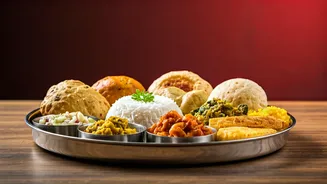
In a predominantly vegetarian country, getting enough high-quality protein can be a challenge. While dal is a fantastic source of protein, nutrition experts point out that it is an 'incomplete' protein, meaning it lacks some essential amino acids. However, the traditional Indian way of eating provides a simple solution. Combining dal with rice or roti creates a complete protein profile, providing all the essential amino acids the body needs, similar to what is found in meat. This makes the classic dal-roti or dal-chawal combination not just a cultural habit, but a scientifically sound nutritional strategy. For a nation looking for affordable and accessible protein sources, a well-planned diet incorporating various dals is a powerful solution.
Making Dal Work for You
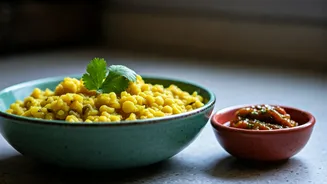
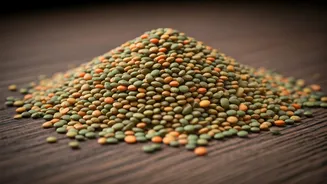
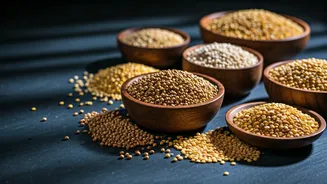
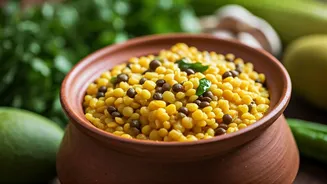
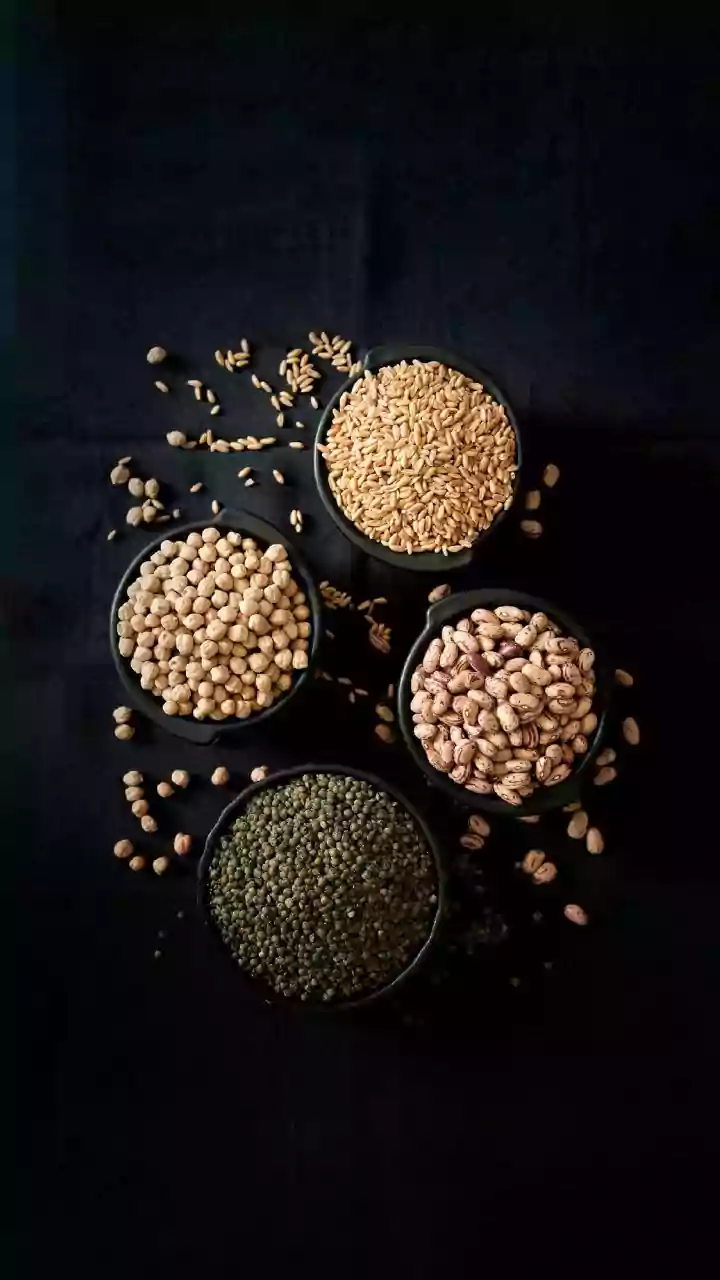
Integrating dal into your health plan is simple. The key is variety and mindful preparation. Different dals like moong, masoor, toor, and chana offer slightly different nutritional benefits, so rotating them is a good practice. To maximise digestibility and reduce issues like bloating, it's essential to soak dals before cooking—split dals for a few hours and larger whole legumes like chana or rajma overnight. When cooking, minimise the use of oil and ghee. A simple tadka (tempering) with spices like cumin, turmeric, and asafoetida can enhance flavour and aid digestion without adding excess fat. Pairing dal with fibre-rich vegetables can further boost the meal's nutritional value and help with blood sugar management.