



An Open-Air Art Gallery in Peril
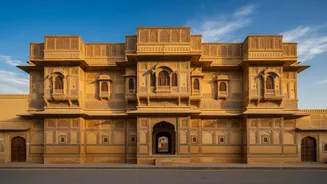
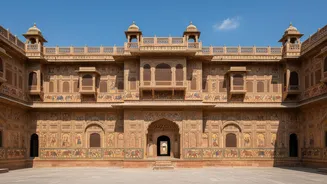
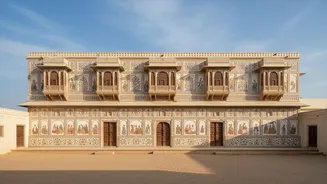
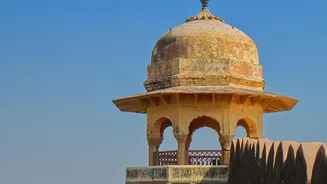
The Shekhawati region, encompassing towns like Mandawa, Fatehpur, and Nawalgarh, is famous for its grand havelis—mansions built by wealthy Marwari merchants in the 18th and 19th centuries. To showcase their prosperity, these traders commissioned elaborate
frescoes on nearly every surface, depicting everything from mythological epics to the arrival of British trains and motorcars. This created a stunning architectural landscape, a vivid record of a bygone era. However, as trade routes shifted, many families moved to major cities like Mumbai and Kolkata, leaving these magnificent structures to face the ravages of time. Decades of neglect, coupled with the harsh climate, have left many of these 2,000-plus havelis in a state of disrepair, their beautiful murals crumbling.
Homestays as a Lifeline for Heritage
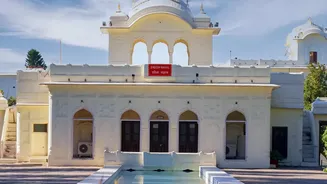
In the face of this slow decay, a sustainable solution has emerged: the heritage homestay. Rather than letting these properties disintegrate, some descendants of the original owners and passionate conservationists are transforming them into intimate accommodations. This model serves a dual purpose. For travellers, it offers an authentic alternative to conventional hotels, providing a deep dive into local culture. For the havelis, it provides a crucial economic engine for survival. The income generated from guests is channelled directly into the painstaking and expensive process of architectural restoration, helping to fund everything from structural repairs to the conservation of delicate frescoes using traditional techniques like 'arayish' lime plaster.
The Quiet Charm of an Off-Season Visit
While the peak tourist season in Rajasthan runs from October to March when the weather is cool and pleasant, visiting Shekhawati during the off-season offers a different, more tranquil appeal. The monsoon months of July and September bring occasional showers that wash the dust from the air and add surprising green patches to the arid landscape. This period sees far fewer tourists, meaning you can explore the painted streets and deserted havelis in relative solitude, feeling as though you have the entire art gallery to yourself. The summer months, though hot, reward budget travellers with significant discounts on stays. This quieter time allows for more meaningful interactions with hosts and locals, offering a peaceful and unhurried cultural immersion away from the peak season crowds.
More Than Just a Room: A Cultural Immersion
Staying in a Shekhawati homestay is not just about appreciating architecture; it's about living within it. Hosts often share personal histories of their families and the haveli, providing context that no guidebook can offer. Guests can savour home-cooked Rajasthani meals, participate in local customs, and gain a deeper understanding of the region's heritage. This form of ancestral home tourism fosters a direct connection between the traveller and the community. By choosing to stay in one of these properties, visitors become active participants in a grassroots conservation movement, ensuring that the stories painted on these walls are not lost to time. It transforms a simple vacation into a meaningful contribution to preserving India's rich artistic legacy.