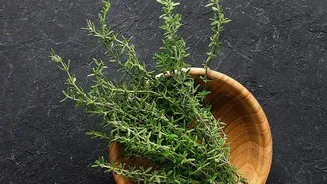

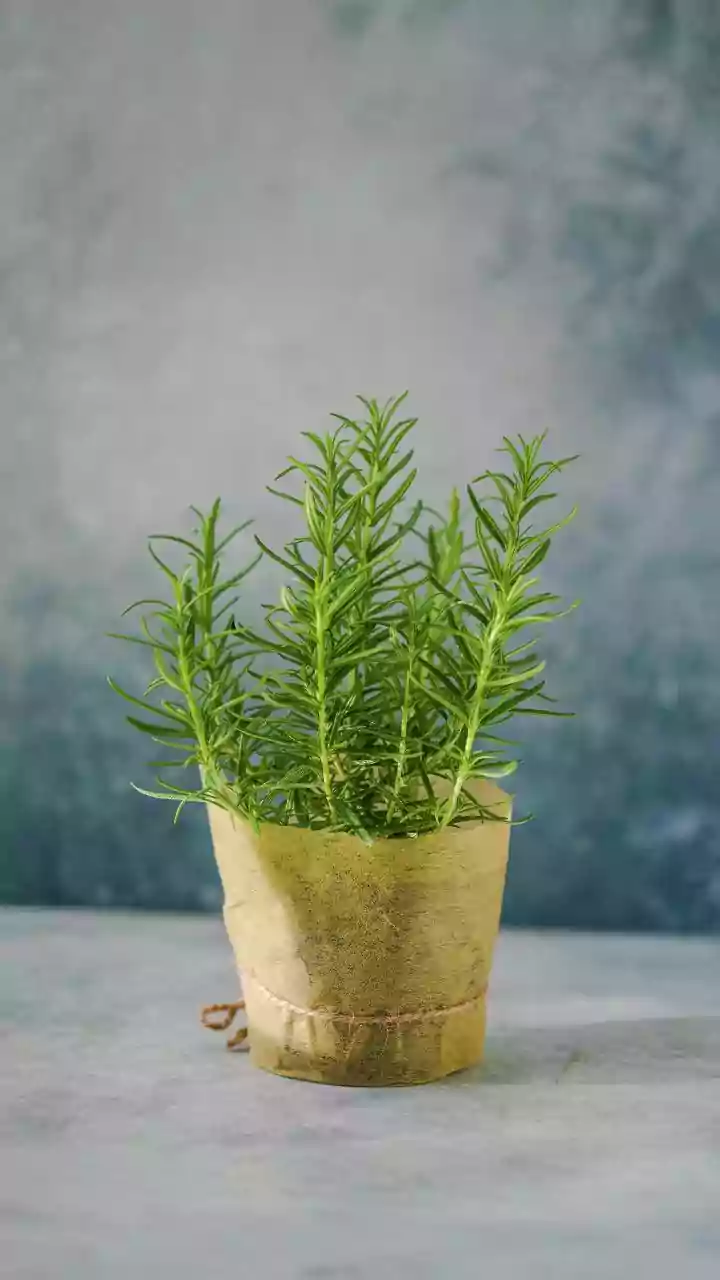




The aroma of fresh thyme can elevate any kitchen, and growing it indoors means it's always within reach. The key to a thriving indoor thyme plant lies in mimicking its native Mediterranean habitat: lots of sun and a distaste for wet feet.
The Golden Rule of Sunlight
The headline
gets it right: abundant light is non-negotiable for thyme. This sun-loving herb requires at least six hours of bright, direct sunlight each day to produce the essential oils that give it its signature flavour and aroma. An unobstructed south-facing window is the ideal location inside a home. If your available light is less than ideal, your thyme may become 'leggy'—tall and sparse with weak flavour. To supplement natural light, especially during darker winter months, consider using a full-spectrum LED grow light. Position the light 6 to 12 inches above the plant and keep it on for 12 to 14 hours daily to simulate a long summer day.
Watering: The 'Soak and Dry' Method
The most common mistake when caring for indoor thyme is overwatering. Thyme is naturally drought-tolerant and its roots are highly susceptible to rot if they sit in soggy soil. Instead of a frequent watering schedule, adopt the 'soak and dry' method. Water the plant thoroughly until you see it drain from the bottom of the pot. Then, do not water it again until the soil has completely dried out. A simple way to check is to stick your finger about two inches into the soil; if it feels dry, it's time to water. It's always better to underwater thyme than to overwater it.
Perfecting the Pot and Soil
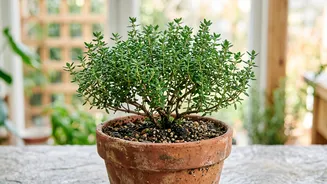
Proper drainage is just as crucial as sunlight. Choose a pot with ample drainage holes at the bottom. Terracotta or clay pots are an excellent choice because the porous material helps wick moisture away from the soil, allowing it to dry out more evenly between waterings. The soil itself needs to be light and gritty. Standard potting mixes often retain too much moisture. To create an ideal environment, use a mix formulated for cacti or succulents, or create your own by blending standard potting soil with coarse sand, perlite, or fine grit to improve drainage. This mimics the rocky, lean soil conditions where thyme thrives naturally.
Feeding, Pruning, and Harvesting
Thyme is not a heavy feeder. In fact, too much fertiliser can lead to rapid, weak growth and diminish the concentration of flavourful oils in the leaves. A light feeding with a diluted, balanced liquid fertiliser once every few weeks during the spring and summer growing season is sufficient. Regular harvesting is the best way to prune your plant. Snipping the top few inches of growth encourages the plant to become bushier and more compact rather than woody. Always cut just above a set of leaves to stimulate new shoots. Harvest regularly throughout the year, but avoid trimming more than one third of the plant at any single time.
Troubleshooting Common Problems
If your thyme plant's leaves start to turn yellow, it's often a sign of overwatering or poor drainage. If the plant is wilting but the soil is damp, this points to root rot, not thirst. In this case, allow the soil to dry out completely and assess whether you need to repot it into a grittier soil mix. Sparse, pale growth usually indicates insufficient light. Pests are not a common issue for healthy thyme, but keep an eye out for spider mites, which can sometimes appear in dry, indoor conditions. Good air circulation can help prevent both pests and fungal issues.