

The Humidity Wall
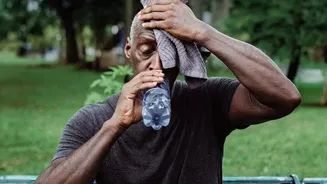
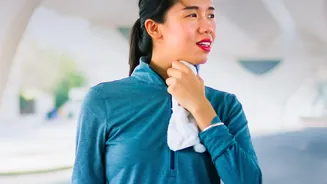
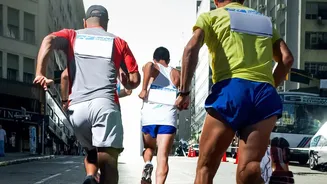
Every urban runner knows the feeling. You complete your morning 5K, but instead of a revitalising endorphin rush, you’re met with a heavy, lingering fatigue that can last for hours. In India's cities, high humidity makes it harder for sweat to evaporate,
preventing the body from cooling down efficiently. This not only makes the run itself more taxing but also prolongs the recovery process, leaving you feeling drained, sticky, and mentally sluggish. This struggle against the climate is pushing runners to look beyond simple stretching and rehydration for more effective recovery methods that can be easily integrated into their city lives.
What is Contrast Water Therapy?
Contrast water therapy (CWT), also known as contrast hydrotherapy, is the practice of alternating immersions in warm and cold water. It’s a technique that has been used for centuries in various cultures, from ancient Roman baths to Nordic sauna cycles, to promote health and healing. While it sounds simple, the rapid change in temperature is believed to trigger a powerful physiological response that can significantly aid in post-exercise recovery. For urban athletes without access to professional sports facilities, CWT offers a practical recovery tool that can be performed in the comfort of their own bathroom.
The Science Behind the Plunge
The magic of CWT lies in its effect on the circulatory system. When you immerse your body in warm water, your blood vessels expand in a process called vasodilation, increasing blood flow. Conversely, cold water causes them to narrow, which is known as vasoconstriction. Alternating between the two creates a “pumping” action in your blood vessels. Proponents believe this action helps to flush out metabolic waste products, like lactic acid, that build up in muscles during intense exercise and contribute to soreness. This increased circulation also delivers more oxygen-rich blood to the muscles, potentially reducing inflammation, swelling, and the dreaded delayed onset muscle soreness (DOMS).
Your At-Home CWT Protocol
You don't need a fancy spa to reap the benefits. A simple shower or a couple of buckets can work perfectly. Here’s a basic protocol to follow: 1. Start with heat: Begin with a warm shower or by immersing your legs in a bucket of warm water (around 38-42°C) for three to four minutes. The water should be comfortably warm, not scalding. 2. Switch to cold: Immediately switch to a cold shower or plunge your legs into a bucket of cold water (around 10-15°C) for one minute. This will be a shock, so focus on your breathing. 3. Repeat the cycle: Alternate between three to four minutes of warmth and one minute of cold. Repeat this cycle three to four times. 4. Always finish cold: It's widely recommended to end your session on a cold cycle. This helps to constrict the blood vessels one last time, locking in the benefits of reduced inflammation. The entire process should take about 15-20 minutes.
Safety First: Listen to Your Body
While generally safe, CWT is not suitable for everyone. Individuals with certain conditions should avoid this practice or consult a doctor first. These conditions include high blood pressure, heart issues, diabetes, or deep vein thrombosis. It is also crucial to avoid CWT if you have open wounds or skin infections. The primary risk is skin damage from water that is too hot or too cold, so always test the temperature. If you start to feel dizzy, nauseous, or excessively lightheaded, stop the therapy immediately. The golden rule is to start slowly and always listen to your body's signals.