



What Is a Smoke Point?
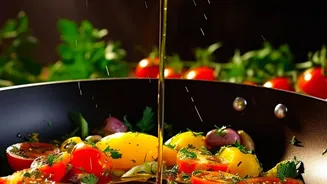
The smoke point is the temperature at which a fat or oil begins to break down and produce visible smoke. When this happens, it's not just a matter of a burnt taste; the fat's molecular structure degrades, destroying beneficial nutrients and creating harmful
compounds called free radicals. These compounds can contribute to inflammation and other health risks over time. Therefore, for high-temperature cooking methods common in Indian kitchens—like deep-frying, tadkas, and searing—using a fat that remains stable is essential.
The Enduring Case for Ghee
Ghee, or clarified butter, has been a cornerstone of Indian cooking for millennia. Its main advantage in a hot kitchen is its remarkably high smoke point, typically around 250°C (482°F). This stability comes from the clarification process, where milk solids and water are removed from butter, leaving behind pure, heat-resistant butterfat. This makes ghee a far safer and more versatile option for high heat than regular butter, which has a much lower smoke point of around 177°C (350°F) and burns easily. Beyond its heat stability, ghee is rich in fat-soluble vitamins like A, D, E, and K, and contains butyrate, a fatty acid known for its anti-inflammatory properties.
The Cold-Pressed Oil Contenders
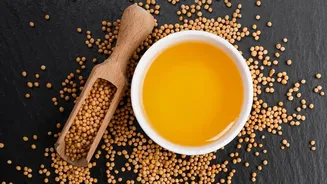
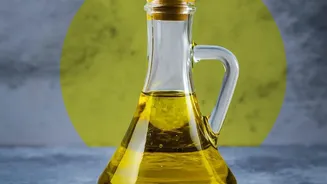
Cold-pressed oils are celebrated for their nutrient retention because they are extracted without high heat or chemical solvents. This process preserves their natural flavours and antioxidants. Popular choices in India include groundnut, mustard, coconut, and sesame oils. However, their performance under high heat varies significantly. For example, cold-pressed virgin coconut oil has a moderate smoke point around 177°C (350°F), and cold-pressed groundnut oil is around 160°C (320°F). While cold-pressed mustard oil has a higher smoke point, around 200-220°C, it's still generally lower than ghee. This makes most cold-pressed oils better suited for dressings, drizzling, and low-to-medium heat cooking rather than intense frying.
The 'Infused' Ghee Advantage
The headline's claim centres on infused ghee, and here's where ghee truly pulls ahead. While the primary benefit of ghee is its high smoke point, infusing it with herbs and spices like turmeric, garlic, or ajwain adds another layer of benefits. The infusion process doesn't just impart incredible flavour, turning a simple tadka into something special; many of these spices are also rich in antioxidants. While the infusion itself doesn't necessarily raise the smoke point, it enhances the overall package. You get the high-heat stability of ghee combined with the aromatic complexity and potential antioxidant boost from the spices, creating a cooking medium that is superior in both performance and flavour profile.
The Kitchen Verdict
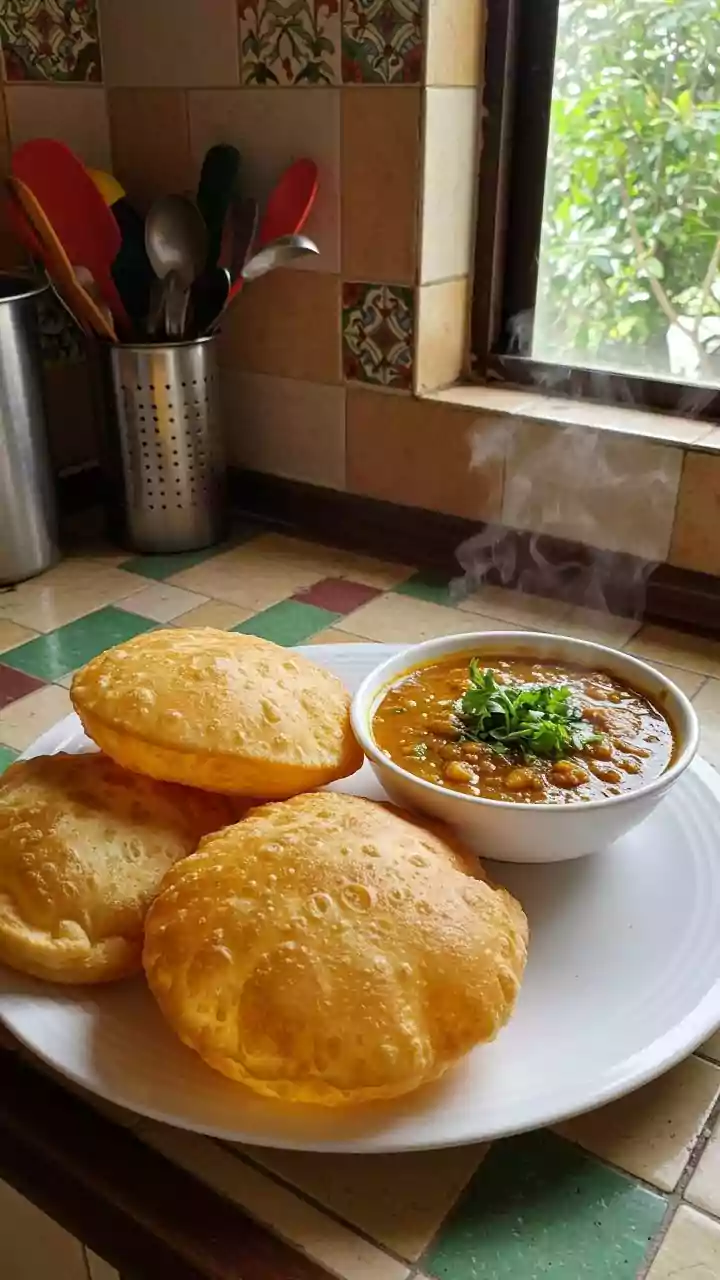
So, when does ghee 'beat' cold-pressed oils? The answer is clear: for high-temperature cooking. When you're deep-frying samosas, searing paneer, or making a sizzling tadka for your dal, ghee's high smoke point ensures the fat won't break down and create harmful compounds. Its stability is more reliable across the board compared to the variable smoke points of different cold-pressed oils. Cold-pressed oils are nutritional powerhouses and shine in low-heat applications. They are perfect for salad dressings, finishing drizzles on cooked dishes, or light sautéing. They are not, however, the all-purpose high-heat solution that many believe them to be.