

What is the 'Nutrition Push'?
You might hear terms like 'POSHAN Abhiyaan' or 'National Nutrition Mission' in the news. Think of these as a nationwide effort to tackle malnutrition, especially in children and women. The goal is to reduce stunting (low height for age), wasting (low weight
for height), and anaemia (low iron). But it's not about complicated diets. The core idea, now part of Mission Poshan 2.0, is to empower families to provide better nutrition through community awareness, focusing on the first 1,000 days of a child's life and using accessible, local foods.
The Power of Protein
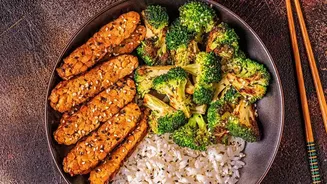
Protein is the number one building block for a growing child. It's essential for muscle and bone growth, a strong immune system, and even brain development and concentration. Many Indian diets are rich in carbohydrates, but can sometimes fall short on protein, leaving children tired and prone to illness. Recent reports show a growing awareness among Indian parents about this 'protein gap'. Ensuring adequate protein isn't about expensive supplements, which are rarely necessary unless advised by a doctor. It’s about consciously including protein-rich foods in every meal to fuel your child's physical and cognitive growth.
Making Protein Affordable and Easy
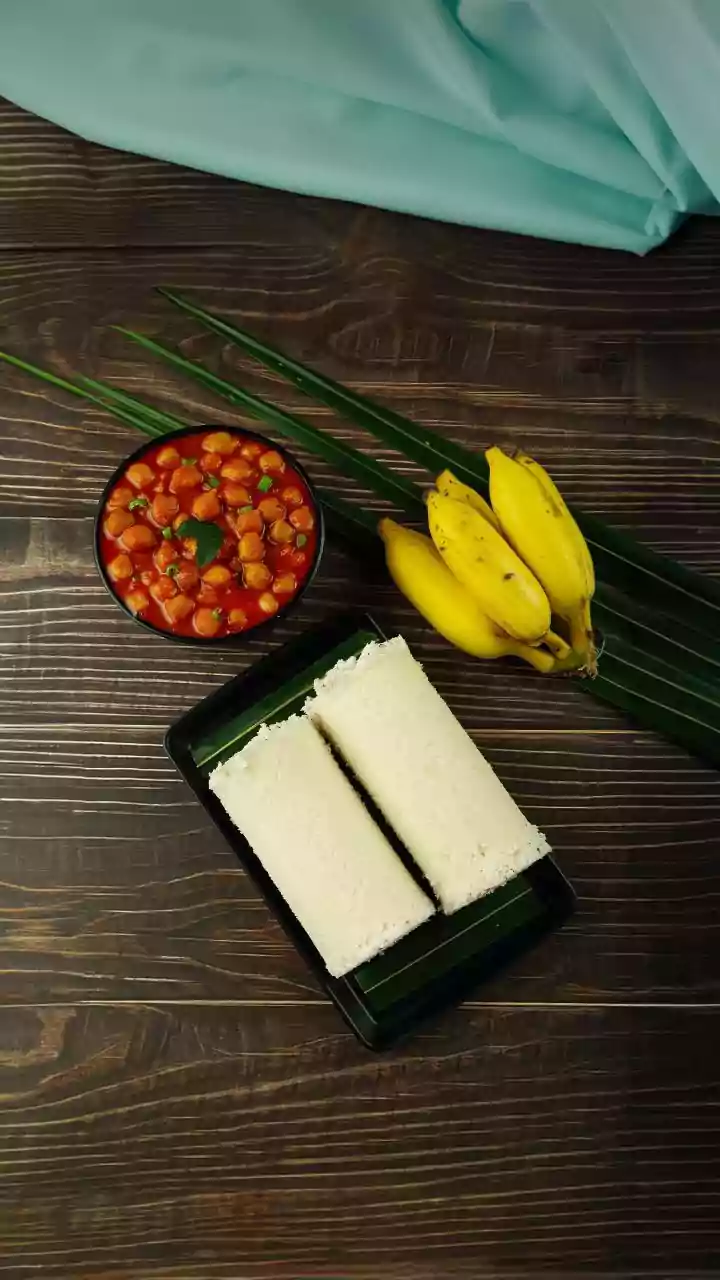
Good nutrition shouldn't break the bank. Luckily, the Indian kitchen is already full of high-quality, affordable protein sources. Dals (lentils), chana (chickpeas), and rajma are fantastic staples. One or two katoris of dal a day provide a significant protein boost. Dairy products like milk, paneer, and dahi (curd) are excellent, as are eggs. For a very high-protein and budget-friendly option, consider soya chunks. Even peanuts offer a surprising amount of protein. The key is to include one of these in every main meal, moving beyond just roti and rice with a small side of sabzi.
Why Dietary Variety is Crucial
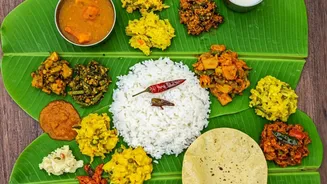
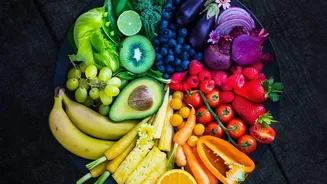
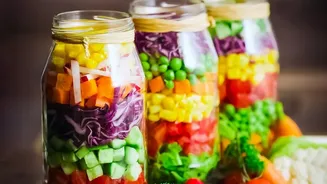
Beyond protein, the government's nutrition push emphasizes dietary variety. This is to combat 'hidden hunger,' or micronutrient deficiencies. Even a child who looks well-fed might lack essential vitamins and minerals like iron, vitamin A, zinc, and iodine. These are vital for immunity, vision, and overall development. A simple way to think about this is to 'eat the rainbow.' Including a variety of colourful fruits and vegetables ensures a wider range of nutrients. This doesn't require exotic ingredients; using local, seasonal produce is the most effective strategy.
Simple Swaps for a Healthier Plate
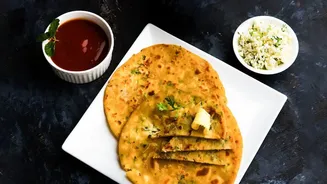
Incorporating these principles into a busy life is about making small, sustainable changes. It’s about smart swaps, not a complete overhaul. For breakfast, a moong dal chilla or a besan cheela is a great protein-packed start. For the lunch tiffin, instead of just biscuits or noodles, consider a paneer or egg bhurji roll, or a simple sprouts chaat. Adding a handful of peanuts or roasted chana as a snack provides both protein and fibre. At dinner, ensure the dal or legume curry portion is generous. Grating vegetables like carrots and beetroot into paratha dough or adding finely chopped greens to rice are easy ways to boost variety and micronutrient intake without a fuss.