




A New Digital 'Inspector' on Board
Cleanliness on trains has long been a major concern for passengers across India. To address this, the Northeast Frontier Railway (NFR) has rolled out a technology-driven system on five of its superfast trains, making it the second zonal railway to adopt
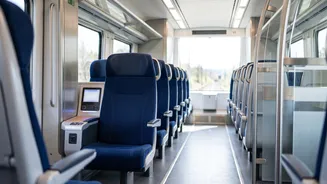
such a measure. This initiative introduces artificial intelligence as a new supervisor, tasked with ensuring that cleaning standards are not just met, but consistently maintained. The goal is to move beyond manual and often inconsistent checks, creating a more accountable and efficient process that passengers can rely on. The system is designed to improve everything from the tidiness of coaches and washrooms to waste management and the distribution of clean linen.
How the AI Cleaning System Works
The new system combines several digital tools to create a comprehensive monitoring network. At its core, it uses AI-based assessments, though specific details on the image analysis are part of a broader push that has included AI to check linen for stains. For onboard services, the process involves a workflow where staff activities are digitally tracked. This includes geo-tagged service verification and digital staff tracking to ensure cleaning crews are where they need to be, when they need to be. After cleaning tasks are completed, staff may take time-stamped photographs which can then be assessed by an AI to evaluate the level of cleanliness against a predefined standard. This creates an objective scoring system, removing human bias from the inspection process. This data, combined with real-time passenger feedback and star ratings, gives railway officials a clear and immediate picture of service quality.
The Five Pioneer Trains
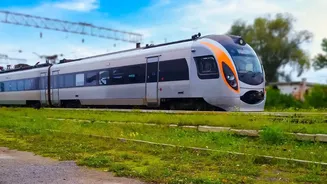
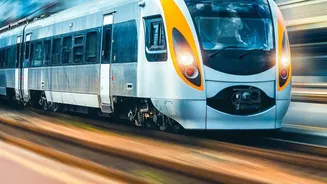
This advanced housekeeping service has been implemented on a select group of five trains operating under the Northeast Frontier Railway. The list includes two of the nation's premier Vande Bharat Express services. The five trains are: the New Jalpaiguri–Patna Vande Bharat Express, the New Jalpaiguri–Guwahati Vande Bharat Express, the Guwahati–Kolkata Garib Rath Express, the Dibrugarh–Mumbai LTT Express, and the Kamakhya–SMVT Bengaluru Express. The rollout was phased, beginning on October 10 and completing across all five trains by October 14, 2026. This selection represents a mix of high-demand routes and premium services, making it a robust test for the new technology.
More Than Just a Clean Sweep
The project's ambitions extend beyond just cleaner coaches. One of the standout features is a new two-hour target for resolving passenger complaints related to housekeeping and other basic technical issues. A dedicated onboard team is responsible for addressing these problems swiftly. If a complaint cannot be resolved within the two-hour window, it is automatically escalated to higher railway authorities, ensuring that no issue is ignored. This creates a powerful accountability loop. By digitizing the entire process—from staff attendance to cleaning verification and complaint resolution—Indian Railways is building a system that relies on data, not just observation. This approach aims to boost transparency, improve staff performance, and ultimately enhance the overall passenger experience.
The Road Ahead for Railway Hygiene
This pilot program on five trains is a significant step, but it is also a testing ground. The success of this initiative will be measured by its ability to deliver consistently high standards of cleanliness and improved passenger satisfaction. If the model proves effective, it could be scaled up and implemented across a wider network of trains in the Indian Railways system. The use of AI, digital tracking, and real-time feedback represents a modern approach to solving a decades-old problem. It reflects a broader push within Indian Railways to leverage technology for everything from safety and crowd management to passenger comfort. As this system gathers more data, it will not only help in day-to-day operations but also provide valuable insights for long-term strategic improvements in onboard services.