

Why Humidity is the Unseen Enemy
While we enjoy cooler temperatures, the high humidity of the monsoon season—often exceeding 80%—creates a micro-environment on your pet’s skin that is ideal for harmful microbes. Dogs and cats have a natural balance of yeast and bacteria on their skin,
but constant dampness allows these organisms to multiply uncontrollably, leading to infections. This moisture gets trapped in their coat, between paw pads, and in ear canals, long after they appear dry on the surface. This environment is the primary trigger for the spike in skin conditions, such as pyoderma (bacterial infection) and yeast dermatitis, that veterinarians across India see every year between June and September.
A Vigilant Skin and Coat Routine
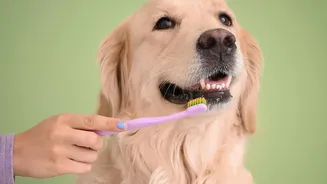
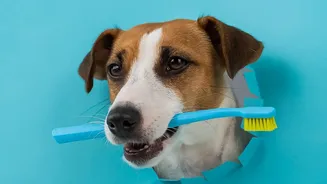
The most critical habit during monsoon is to dry your pet thoroughly after every single walk, even if they don't seem very wet. For pets with thick or double coats, a towel alone is not enough; a pet-friendly dryer on a low heat setting may be needed to ensure the undercoat is completely dry. Regular brushing is also crucial as it removes loose fur, prevents matting that traps moisture, and improves air circulation to the skin. While bathing is important, over-bathing can strip the skin of its natural protective oils, making it more vulnerable. Stick to a routine of bathing every two to three weeks with a vet-recommended shampoo, potentially one with mild anti-fungal properties if your pet is prone to infections.
Daily Paw and Ear Inspections
Your pet’s paws are on the front line, constantly in contact with muddy, damp surfaces and contaminated puddles. This makes paw care a non-negotiable daily ritual. After every outdoor excursion, wipe their paws and dry carefully between the toes, an area where moisture and infections love to hide. Also, check for any cuts, redness, or swelling. Similarly, the humid climate creates a prime environment for ear infections, especially in floppy-eared breeds where airflow is limited. Clean your pet's ears regularly with a vet-approved solution to remove excess moisture and wax buildup, preventing painful conditions before they start.
Managing Your Home Environment
Your pet’s hygiene is also linked to the cleanliness of your home. Damp bedding can become a breeding ground for mould and bacteria, re-infecting your pet even after they are clean and dry. During the monsoon, wash your pet’s bedding more frequently and ensure it is completely dry before they use it. Keep their living space well-ventilated to reduce indoor dampness. A clean litter box for cats is also essential, as humidity can accelerate bacterial growth and odours. Cleaning food and water bowls daily is another simple but effective step to prevent gastrointestinal issues caused by bacteria that thrive in humid conditions.
Diet, Hydration, and Parasite Prevention
A strong immune system is your pet's best defense. A balanced, high-quality diet supports skin health from the inside out. At the same time, ensure your pet always has access to fresh, clean drinking water, and actively prevent them from drinking out of puddles or stagnant pools, which can be contaminated with bacteria like Leptospira. The rainy season is also peak season for ticks and fleas, which thrive in humid weather. Since their bites can break the skin and introduce secondary bacterial infections, maintaining a consistent, year-round parasite prevention plan as advised by your vet is more important than ever.