




The Reality Behind the Romance
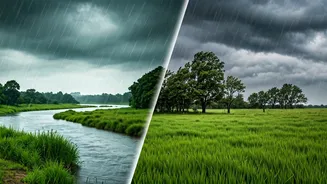
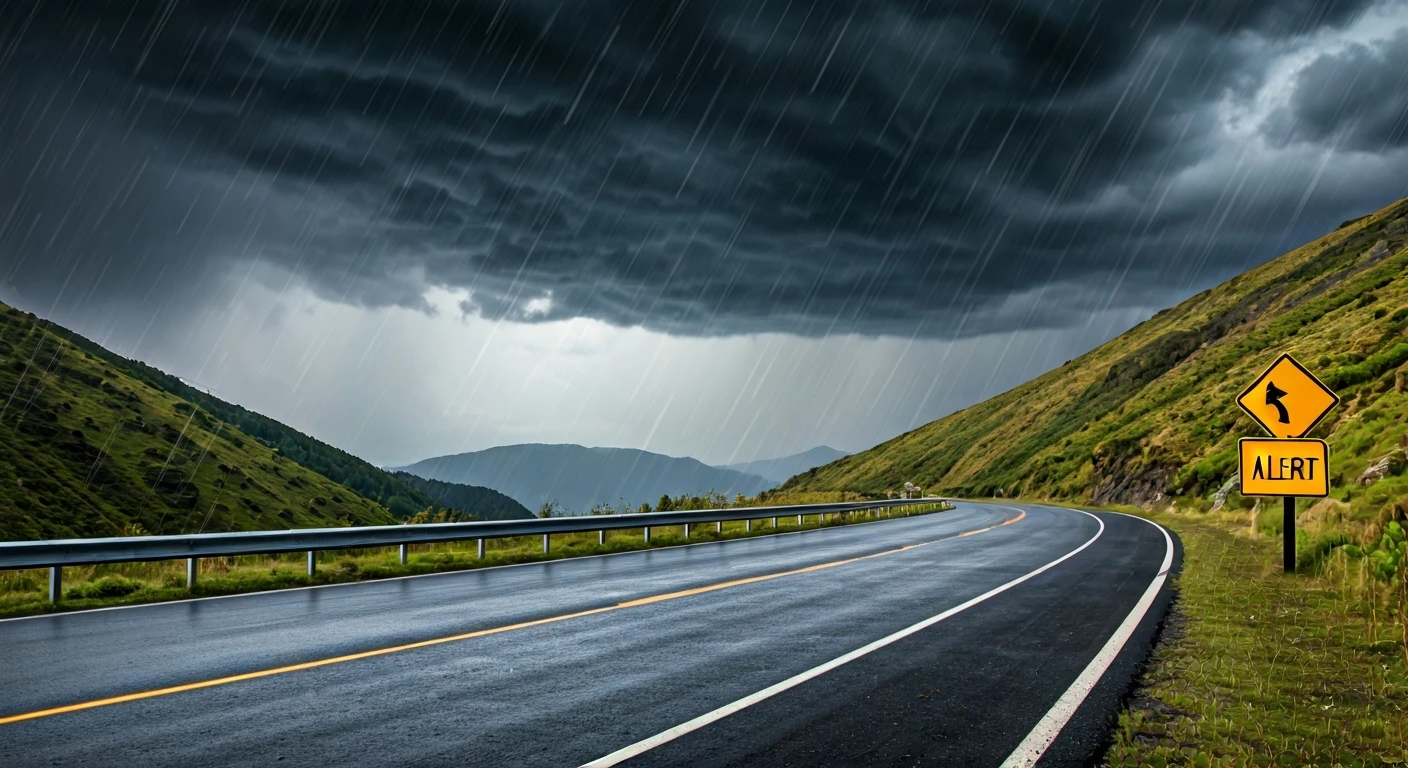
A monsoon honeymoon sounds like the perfect romantic escape, but the reality can be harsh and dangerous. Heavy rainfall, especially in hilly and coastal regions, often leads to flash floods, landslides, and widespread travel disruptions. According to the Geological
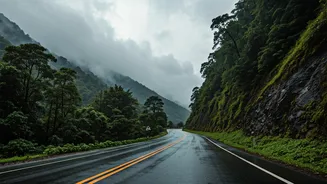
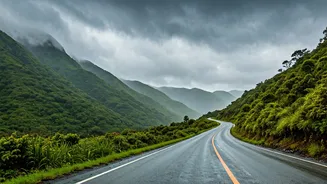
Survey of India, about 12.6% of the country's land area is prone to landslides, with the Himalayas and Western Ghats being particularly vulnerable during the monsoon. As recently as late June 2026, heavy rains have battered states like Arunachal Pradesh, Sikkim, and north Bengal, causing fatalities and requiring rescue operations. For couples, this can mean being stranded, facing cancelled flights and trains, or worse. A dream trip can quickly be ruined by impassable roads, power outages, and the very real danger of natural disasters.
Your Pre-Booking Safety Checklist
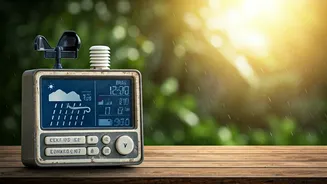
Before you book flights or hotels, thorough planning is essential. Start by closely monitoring weather forecasts from the India Meteorological Department (IMD). The IMD issues regular bulletins and warnings for tourists, which can be critical for planning. For instance, on June 29, 2026, the IMD issued warnings for extremely heavy rainfall in regions like Konkan, Goa, and Sub-Himalayan West Bengal. Choose your destination wisely; avoid areas with a known history of landslides, such as parts of Uttarakhand, Himachal Pradesh, and Kerala during peak monsoon. It’s also a good idea to contact hotels directly and inquire about their preparedness for weather emergencies and their cancellation policies. Opt for destinations that are less affected by severe rains, ensuring a safer and more enjoyable experience.
Smart Swaps for Safer Destinations
Instead of popular but risky hill stations like Manali or Mussoorie during heavy rains, consider safer yet equally romantic alternatives. Udaipur in Rajasthan, for example, transforms beautifully during the monsoon, with its lakes full and the Aravalli Hills turning green. It offers a royal, romantic experience without the high risk of landslides. Similarly, while coastal Goa sees rain, it's also less crowded, with lower prices and a different kind of beauty, like the magnificent Dudhsagar Falls. Ladakh is another excellent choice as it falls in a rain-shadow region, receiving very little rainfall during the monsoon months, making it perfect for adventure-loving couples. Other options include the French colonial charm of Puducherry or the unique landscapes of Kutch in Gujarat.
Pack for Preparedness and Romance
Your packing list for a monsoon honeymoon should be practical. Prioritize waterproof everything: a good quality rain jacket, sturdy non-slip footwear, and a waterproof cover for your backpack or luggage are non-negotiable. Pack lightweight, quick-drying clothes. Given the increased risk of water-borne diseases and mosquitoes, carry a first-aid kit, insect repellent, and stick to bottled water and well-cooked food from clean establishments. Power cuts can be common, so a fully charged power bank is a must-have. Beyond the practical, pack for the romantic indoor moments, too. When the rain keeps you inside your resort, you’ll be glad you brought along books, a portable speaker for music, or your favourite games to enjoy together.
Staying Flexible and Safe on Your Trip
Once you're on your honeymoon, flexibility is key. Always have a backup plan for indoor activities in case outdoor excursions get cancelled. Continue to monitor local news and weather advisories. Avoid travelling at night during heavy rain, as visibility is poor and risks are higher. Never attempt to cross flooded roads or streams, as it's difficult to gauge water depth and currents. If local authorities issue a warning, heed it. The perfect selfie is not worth risking your safety. The most important thing is to enjoy this special time together, and that means prioritizing each other’s well-being above a rigid itinerary.