
An Introduction to Nupe Artistry
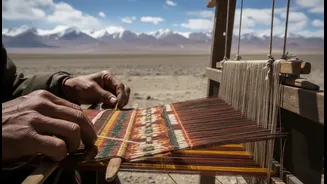
Nupe embroidery is a traditional textile art form originating from the Nupe people of North Central Nigeria. Centred in cities like Bida, which was named a UNESCO Creative City of Crafts and Folk Art, this craft has been practiced for centuries. The Nupe are
renowned throughout Nigeria for their exceptional skill in cloth weaving, dyeing, and embroidery. This art form is not merely decorative; it is a profound expression of cultural identity, history, and social status, traditionally used to adorn magnificent robes and ceremonial garments. The embroidery is known for its large-scale, intricate patterns and bold use of colour, making it visually striking and unique.
A Legacy Woven in Stitches
The history of Nupe embroidery is deeply intertwined with the legacy of the Nupe Kingdom, which emerged around the 15th century. The craft was historically associated with royalty and the elite, with embroidered garments serving as symbols of wealth, power, and prestige. These elaborate textiles, known as 'riga', were grand robes worn by emirs and other important figures. The embroidery guilds in Bida, the cultural heartland of the Nupe, have passed down their techniques through generations. This dedication has preserved a distinctive style characterized by meticulous hand-stitching, often on hand-woven cotton or silk fabrics, ensuring that each piece carries a piece of a long and noble history.
The Signature Look
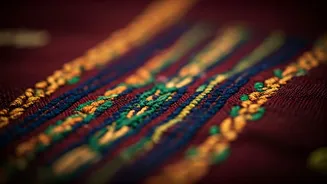
Nupe embroidery is immediately recognizable for its bold and often symmetrical geometric patterns. These designs are not random; they are a complex visual language. The patterns often consist of repeating shapes, spirals, and interlocking lines that create a sense of dynamic movement across the fabric. A key characteristic is the use of space, with large, embroidered motifs commanding attention against the background cloth. The colour palette is often vibrant, with bright hues of red, blue, green, and yellow frequently used to make the garments stand out. This combination of intricate geometry and powerful colour creates a style that is both artistically sophisticated and deeply expressive.
Symbolism in Every Thread
Like many traditional textile arts, the motifs in Nupe embroidery are steeped in cultural significance. The patterns are more than just beautiful designs; they are symbols that can convey messages, proverbs, or protective meanings. Geometric shapes, for instance, might represent cosmic or natural elements, while certain arrangements can denote a person's lineage or social standing. For example, the colours of the Nupe flag—red for warrior heritage, green for agriculture, and blue for the River Niger—are often incorporated into ceremonial textiles, grounding the wearer in their community's identity. This symbolic depth adds a layer of fascination for any embroidery lover, transforming the craft from a simple decorative act into a form of storytelling.
Nupe Embroidery Today
In the 21st century, Nupe embroidery is experiencing a modern resurgence. The craft is not only being preserved by traditional artisans but is also finding a place on the global fashion stage. Contemporary Nigerian designers and international fashion houses are increasingly collaborating with Nupe artisans, incorporating their stunning patterns into modern collections. This trend brings a unique, handcrafted artistry to the fashion industry and provides wider exposure for the skilled artisans. Furthermore, the practice aligns with a growing interest in sustainable and ethical fashion, as many artisans use locally sourced materials and traditional, low-impact production methods. This renewed interest ensures that the vibrant legacy of Nupe embroidery continues to evolve and inspire new audiences worldwide.