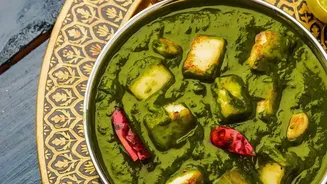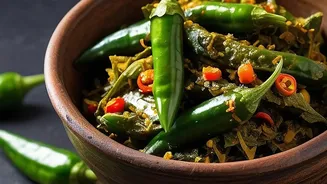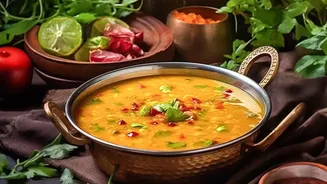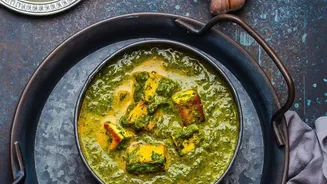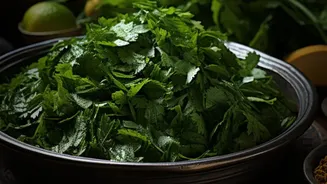






The thought of a hearty, vibrant saag is pure comfort. But what if you can't find mustard greens? Don't worry. The secret to this beloved dish is its versatility, and you can create a stunning saag with greens available right in your area.
Understanding the Soul of Saag
In many parts
of India, 'saag' is a broad term that simply means 'leafy greens'. While Sarson ka Saag, made from pungent mustard leaves, is the most famous variant, especially from Punjab, it's far from the only one. The beauty of saag lies in its adaptability. It's a culinary concept more than a rigid recipe, traditionally designed to make the most of seasonal, local produce. From the peppery notes of mustard to the mildness of spinach, every green brings its own character, creating a dish that can be different every time you make it.
A Guide to Your Local Greens
The key to a great saag is often a mix of greens, which creates a more complex and layered flavour. Look for what's fresh and local in your market. Spinach (Palak) is a fantastic base, offering a mild flavour and creamy texture that balances more pungent leaves. Fenugreek (Methi) adds a distinct, slightly bitter aroma that is prized in many recipes. Amaranth (Chaulai or Rajgira) is another excellent choice, rich in nutrients and readily available in many regions. During winter, look for Bathua (Chenopodium or Lamb's Quarters), a green with a nutty taste that adds a creamy consistency. Even radish leaves (mooli ke patte), often discarded, can add a wonderful, mild pungency. Don't be afraid to experiment with others like kale, chard, or even beet greens.
The Art of Combining Flavours
A good rule of thumb is to combine greens with different flavour profiles. Pair a 'spicy' or 'peppery' green like mustard, radish leaves, or kale with a 'soft' or 'mild' green like spinach or chard. The soft greens melt down, creating a smooth, luscious body for the dish, while the more robust greens provide the primary flavour. For example, a simple yet delicious combination is spinach and radish greens, where the peppery radish mimics the flavour of mustard. Another popular duo is spinach and fenugreek (Palak Methi), where the fenugreek's assertive flavour is mellowed by the spinach. Using at least two or three different types of greens is a great way to achieve a rich, multifaceted taste.
A Universal Saag Recipe
This basic method can be adapted for any combination of greens you choose. You'll need about 1 kg of mixed leafy greens, thoroughly washed and chopped. In a pressure cooker or large pot, combine the greens with a chopped onion, a few cloves of garlic, a piece of ginger, and green chillies to taste. Add a splash of water and cook until the greens are completely soft and tender. Once cooled slightly, use an immersion blender to puree the mixture to your desired consistency – some prefer it coarse and rustic, others silky smooth. For the final touch (the 'tadka' or tempering), heat ghee or butter in a separate pan. Fry cumin seeds, chopped onions, and more garlic and ginger until fragrant and golden. You can also add chopped tomatoes and powdered spices like coriander and turmeric at this stage. Pour this aromatic tempering over the blended greens, mix well, and simmer for another 10-15 minutes to allow the flavours to meld.