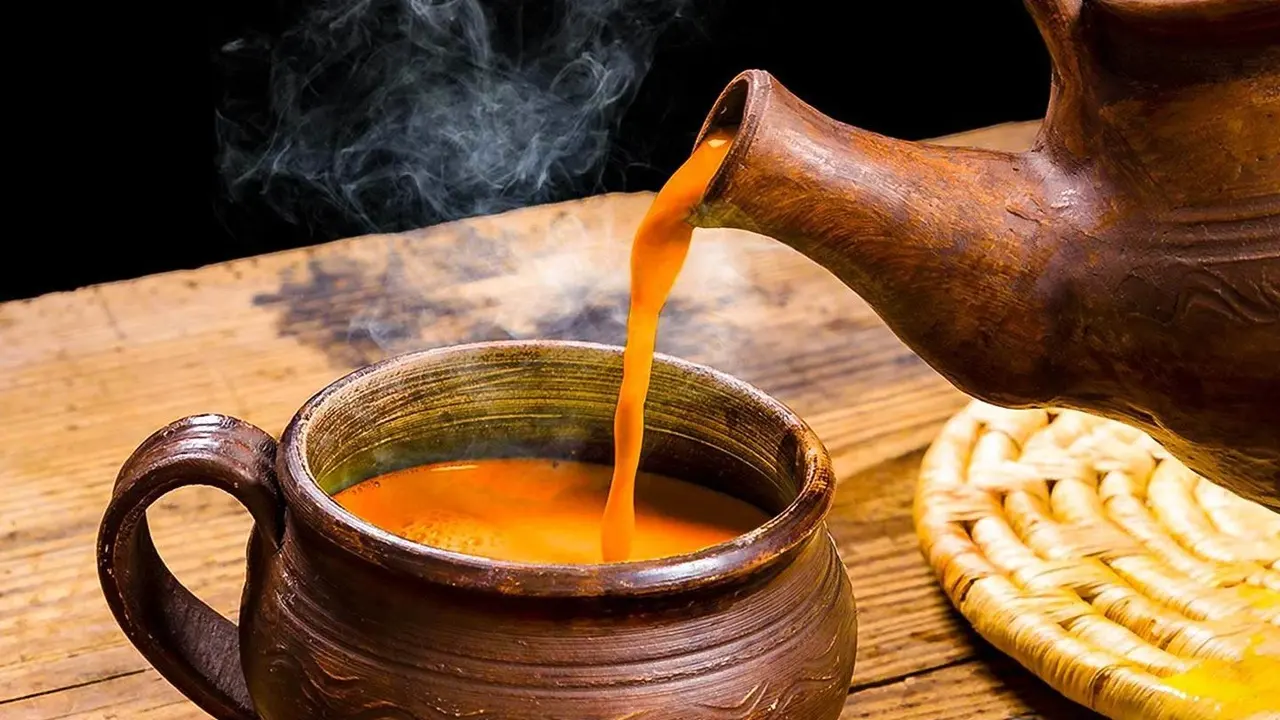



For many in India, tea is more than a beverage; it’s a ritual. But what if a few common habits are standing between you and the perfect cup? It’s time to separate long-held tea traditions from the facts to elevate your daily brew.
Myth: You Must Always Use Boiling Water
That familiar click of
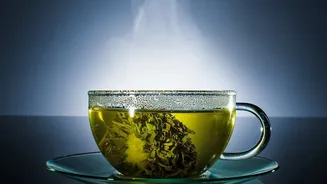
a fully boiled kettle is satisfying, but it's not a one-size-fits-all solution for tea. While robust black teas, like a strong Assam chai, benefit from water at or near boiling (around 100°C) to extract their bold flavours, this same temperature can ruin more delicate leaves. Pouring boiling water on green or white teas scorches them, releasing an excess of tannins and catechins which results in a bitter, astringent taste instead of a sweet, nuanced one. For green tea, aim for water between 70-80°C. For white and oolong teas, a range of 80-95°C is often ideal. Letting your kettle sit for a minute or two after boiling is a simple way to bring the temperature down.
Myth: Squeezing the Tea Bag Gets More Flavour
It feels productive, a final press to extract every last drop of goodness. In reality, squeezing a tea bag does more harm than good. That last bit of liquid trapped in the bag is highly concentrated with tannic acids. Forcing it into your cup releases these compounds, leading to a sour, acidic, and noticeably bitter brew. Beyond ruining the flavour, you also risk tearing the paper, letting fine tea dust escape and create a cloudy, gritty texture in your cup. For a smoother, more balanced taste, simply lift the tea bag out gently after it has finished steeping.
Myth: All Teas Should Steep for 3–5 Minutes
Steeping time is just as crucial as water temperature, and there is no universal rule. Different teas release their flavours at different rates. While 3-5 minutes is a good range for many black teas and some oolongs, it's far too long for others. Green teas, for instance, often only need 1-3 minutes; any longer and they turn unpleasantly bitter. Delicate white teas may need up to 5 minutes, but in cooler water. Conversely, herbal infusions (tisanes) like chamomile or ginger often require a longer steep of 5-10 minutes to fully release their aromatic oils and flavours. The best practice is to check the recommendation for your specific tea and adjust from there.
Myth: The Darker the Tea, the More Caffeine It Has
It's easy to assume that a dark, rich-looking cup of tea packs a bigger caffeine punch than a pale one, but colour is not a reliable indicator. The colour of brewed tea primarily reflects its level of oxidation and how strongly it was brewed, not its caffeine content. While black teas are fully oxidized and often have higher caffeine levels on average (40-70mg per cup) than green teas (20-45mg), there's significant overlap. A strongly brewed green tea can easily contain more caffeine than a weakly brewed black tea. Factors like leaf size, brewing time, and water temperature have a much greater impact on how much caffeine is extracted into your cup.
Myth: Milk First vs. Tea First Doesn't Matter
This is perhaps the most heated debate in the tea world. While many believe it's purely a matter of preference, some science suggests there's a slight advantage to adding milk first. When hot tea is poured onto cold milk, the milk proteins warm up more gently and evenly, which can prevent them from denaturing or 'clumping'. This theoretically results in a smoother flavour. Another argument for milk-first, particularly in areas with hard water, is that milk proteins can bind to minerals, preventing them from interfering with the tea's flavour compounds. However, many blind taste tests show that most people can't reliably tell the difference. The historical reason for adding milk first was to prevent hot tea from cracking fragile porcelain cups.
Myth: Tea Lasts Forever if Kept Dry
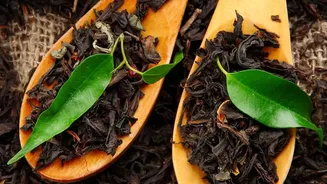
Tea doesn't 'spoil' like milk, but it definitely goes stale. Tea leaves are sensitive and have five main enemies: air, light, heat, moisture, and strong odours. Storing your tea in a clear glass jar on the kitchen counter might look appealing, but exposure to light and heat will degrade its flavour and aroma quickly. Similarly, keeping it near the stove or in a spice cabinet can cause it to absorb other smells. To keep your tea fresh, store it in an opaque, airtight container in a cool, dark, and dry place like a pantry or cupboard. Handled this way, most loose-leaf teas will maintain their quality for about six months to a year.