

Understanding Iron: Not All Types Are Equal
Iron is an essential mineral that our bodies use to create hemoglobin, a protein in red blood cells that carries oxygen from the lungs to the rest of the body. Without enough iron, you can feel tired, weak, and short of breath. But when it comes to dietary
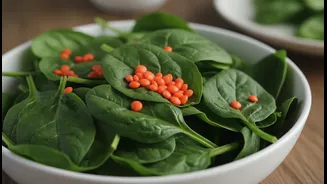
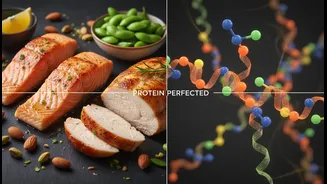
iron, there are two main forms: heme and non-heme. Heme iron is found in animal products like meat, poultry, and fish. It's highly bioavailable, meaning your body can absorb it quite easily. Non-heme iron, on the other hand, is found in plant-based foods such as lentils, beans, spinach, tofu, and whole grains. While these foods are nutritional powerhouses, the iron they contain is absorbed much less efficiently by our bodies.
The Plant-Based Iron Challenge
The main reason non-heme iron is harder to absorb is due to the presence of certain compounds in plant foods called inhibitors. The most notable of these are phytates, found in whole grains, seeds, nuts, and legumes, and polyphenols, found in tea and coffee. These compounds can bind to iron in the gut, forming insoluble complexes that prevent the mineral from being absorbed into the bloodstream. This means that even if you're eating a diet rich in iron-packed plants, your body might only be able to use a small fraction of it, with absorption rates for non-heme iron sometimes as low as 2%. This poses a significant challenge, particularly for vegetarians, vegans, and anyone reducing their meat intake.
Vitamin C to the Rescue
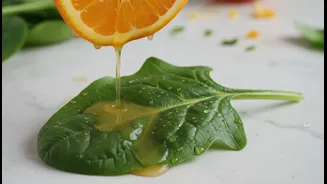
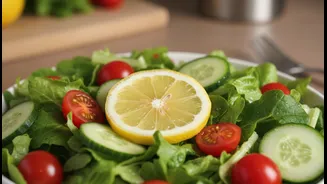
This is where that humble lemon comes in. Lemons, like other citrus fruits, are packed with vitamin C, also known as ascorbic acid. Decades of nutrition research have shown that vitamin C is a powerful enhancer of non-heme iron absorption. Its magic lies in a two-step process. First, vitamin C helps convert non-heme iron from its ferric (Fe3+) form—which is difficult for our bodies to take in—into the more soluble ferrous (Fe2+) form. This is the specific form of iron that can be absorbed by the cells lining our intestines. Second, vitamin C forms a soluble complex with the iron in the stomach, keeping it available for absorption as it moves into the small intestine and preventing it from binding with inhibitors like phytates.
A Significant Boost to Absorption
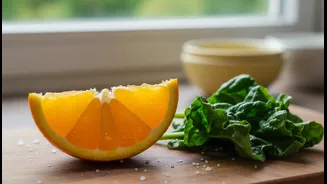
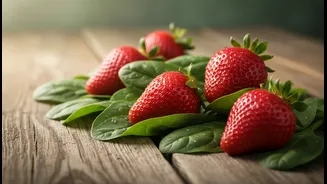
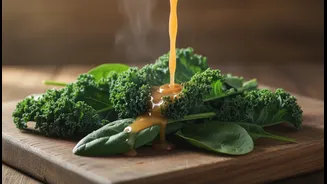
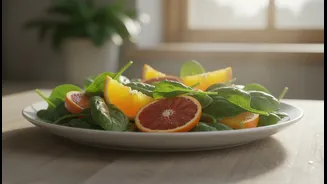
The effect of adding vitamin C to an iron-rich plant-based meal isn't minor; it can be quite dramatic. Studies have shown that vitamin C can significantly increase iron absorption, in some cases by several times. The enhancement is directly proportional to the amount of vitamin C present in the meal. For example, research suggests that consuming around 50 mg of vitamin C—about what you'd get from half a cup of strawberries or a small orange—can increase iron absorption by two to seven times, depending on the other components of the meal. This makes a simple habit, like squeezing lemon juice on a spinach salad or adding bell peppers to a bean burrito, a highly effective strategy for boosting your iron levels.
More Than Just Lemons
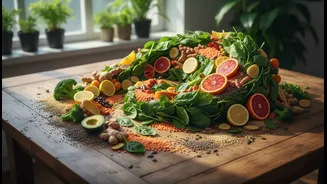
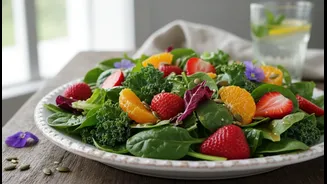
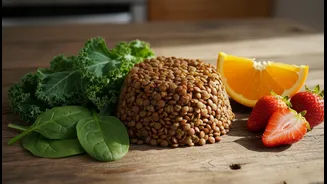
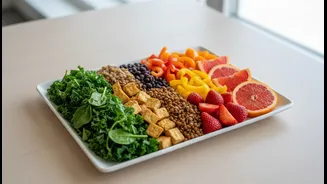
While lemons are a fantastic and easy option, many other common foods are rich in vitamin C. To maximize your iron absorption from plant sources, think about creating meals with smart pairings. Excellent sources of vitamin C include citrus fruits like oranges and grapefruit, bell peppers (especially red and yellow), broccoli, strawberries, kiwi, tomatoes, and even potatoes. For instance, you could pair iron-rich lentils with a tomato-based sauce, have a bowl of iron-fortified cereal with fresh strawberries, or add broccoli and bell peppers to a tofu stir-fry. The key is to consume the vitamin C-rich food at the same time as the iron-rich food for the effect to work.