







Why Monsoon is a Gardener's Best Friend
The period from June to September is a golden opportunity for gardening in Bengaluru. The scorching summer heat gives way to cooler temperatures, typically ranging from 20°C to 28°C, and the air becomes heavy with humidity. This combination is magical
for plants. The high humidity encourages faster root development, making it an excellent time for planting saplings and propagating new plants from cuttings. The natural, consistent watering from the rain reduces your daily chores and, more importantly, provides mineral-rich water that is far better than treated tap water. This season minimizes heat stress on plants, allowing them to focus their energy on growth, resulting in lusher leaves and more vibrant blooms.
Choose the Right Monsoon-Loving Plants
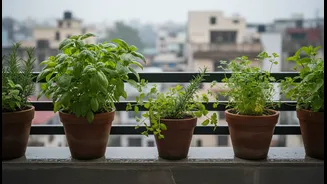
Success starts with selecting plants that thrive in the monsoon's damp and humid conditions. For a splash of colour, consider flowers like the aptly named Rain Lily, which often blooms right after a downpour. Hibiscus, Jasmine, and Bougainvillea are other hardy choices that perform exceptionally well. For those who love foliage, Coleus is a star performer, offering a riot of colour in shades of red, green, and purple, and it loves the shade provided by many apartment balconies. If you're starting a kitchen garden, now is the time for herbs like mint, tulsi (holy basil), and coriander, as well as vegetables like spinach, okra, and chillies. For a touch of the tropics, consider Areca Palms or Ferns.
Perfect Your Potting and Drainage
The single biggest danger during the monsoon is not too little water, but too much. Waterlogged soil suffocates roots, leading to root rot, the most common killer of potted plants during this season. Your primary defence is excellent drainage. Ensure every pot has at least one, preferably more, clear drainage hole at the bottom. Avoid using dense garden soil, which becomes compacted and heavy when wet. Instead, opt for a light, well-draining potting mix. A good combination is one part soil, one part cocopeat (which retains moisture but stays airy), and one part compost. Adding perlite can further improve aeration. It's also a wise idea to elevate your pots on stands or bricks to ensure water can escape freely and doesn't pool at the base.
Rethink Your Watering Schedule
Forgetting your summer watering routine is crucial. During the monsoon, the rain will do most of the work for you. Watering your plants on a fixed schedule can lead to overwatering. The rule of thumb is to always check the soil before reaching for the watering can. Stick your finger about an inch into the soil. If it feels dry, it's time to water. If it's damp, leave it alone. Plants on a covered balcony will need more attention than those exposed to the rain, but even they will require less frequent watering due to the high humidity.
Be Vigilant About Pests and Disease
Unfortunately, the humid and damp conditions that plants love are also ideal for pests and fungal diseases. Slugs, snails, and aphids become more active, and fungal issues like powdery mildew and leaf spot can spread quickly. Prevention is key. Ensure there is good air circulation by not overcrowding your plants. A bit of space between pots allows leaves to dry faster after a shower. Regularly inspect your plants for any signs of trouble, like yellowing leaves, sticky residue, or white spots. Removing affected leaves immediately can prevent the problem from spreading. For a simple, organic pesticide and fungicide, a regular spray of diluted neem oil can work wonders.
Provide Shelter from Heavy Downpours
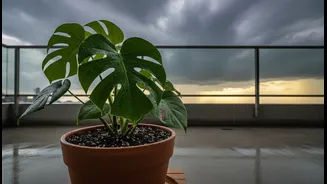
While rain is beneficial, a torrential Bengaluru downpour can be destructive, physically damaging delicate plants, breaking stems, and washing away soil from pots. Observe your balcony during heavy rain to see which areas are most exposed. It may be necessary to move more sensitive plants, like succulents or very young saplings, to a more sheltered spot temporarily. For plants that are too large to move, ensuring they are well-supported with stakes can prevent them from breaking in strong winds that often accompany the rain.