




The Forest Reawakened
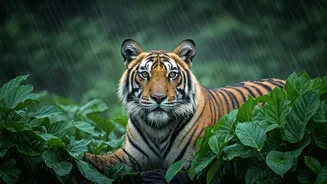
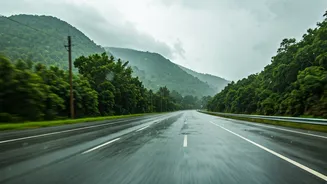
From June to September, Nagarahole, also known as Rajiv Gandhi National Park, undergoes a dramatic transformation. The parched summer landscape gives way to a breathtaking expanse of dense, emerald-green foliage. The entire forest feels alive, washed
clean by the rains, with the unmistakable scent of wet earth filling the air. Streams and rivers, including the vital Kabini River, swell with fresh water, and waterfalls that were mere trickles become powerful cascades. This rejuvenation of the ecosystem creates a stunning backdrop for any visitor, making it a paradise for nature lovers and photographers who are treated to misty mornings and dramatic, cloudy skies. The experience is less about rushing to spot animals and more about soaking in the vibrant atmosphere of a forest at its peak.
A Symphony of Wildlife
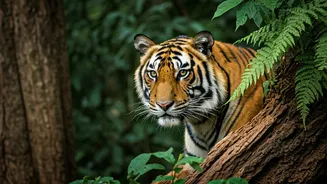
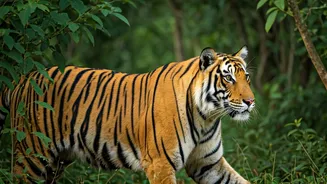
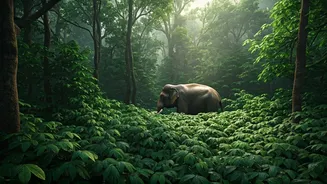
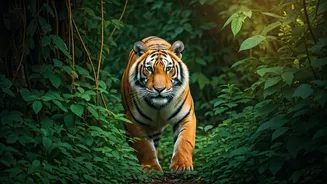
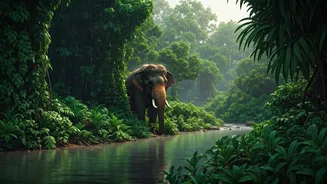
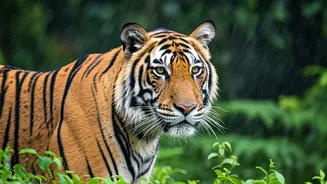
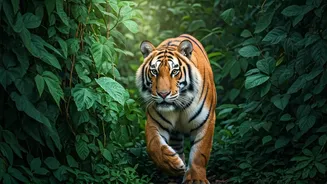
Contrary to the belief that wildlife sightings are rare in the monsoon, Nagarahole offers a different, often more intimate, spectacle. With water and food plentiful, animals are dispersed but active. The lush vegetation provides a stunning green background that makes wildlife photographs pop. Large herds of elephants are a common sight, often seen grazing peacefully or playing near the swelling backwaters of the Kabini. This is also a fantastic time for birdwatching, as the rains bring out a flurry of activity from both resident and migratory species. While the dense foliage can make spotting predators like tigers and leopards more challenging, it's not impossible. In fact, fresh pugmarks on the softened muddy tracks often lead to thrilling encounters with these elusive big cats. Safari-goers have reported exciting sightings of tigers, leopards, and even sloth bears during the monsoon months.
The Unique Safari Experience
A safari in Nagarahole during the monsoon is an adventure in itself. The park remains open, with both jeep and boat safaris available, though routes and timings can sometimes be adjusted due to heavy rainfall. The Kabini area, in particular, is a major draw. A boat safari on the Kabini River offers a unique perspective, allowing you to witness herds of elephants on the banks and spot aquatic birds. Jeep safaris take you deep into the misty, rain-drenched forest, creating an atmospheric experience unlike any other. There are fewer tourists during this season, which means the safaris are often quieter and more personal, allowing you to feel truly immersed in the wilderness. As of late June 2026, all safari zones have been fully reopened for the season, though it's wise to book permits well in advance due to high demand.
Planning Your Monsoon Trip
A monsoon trip to Nagarahole requires a bit of extra preparation. It's essential to pack waterproof jackets, durable shoes with good grip for muddy paths, and insect repellent. Leeches can be common on nature walks, so carrying salt or a vinegar spray is a practical tip from seasoned visitors. The park is accessible via scenic road trips from cities like Bengaluru and Mysuru. When booking your trip, aim for the early monsoon period (June and early July) for a comfortable balance of rain and accessibility. Always book your safari permits online through the official Karnataka Forest Department website ahead of time, as slots, especially for weekends, fill up quickly. Also, be mindful that the national highway passing through the adjacent Bandipur Tiger Reserve closes at night (9:00 PM to 6:00 AM), so plan your travel times accordingly.