







The Digital Discovery Engine
The resurgence of retro Bollywood isn't happening in the aisles of music stores, but on the endless scroll of social media. Platforms like Instagram Reels and YouTube Shorts have become digital jukeboxes, introducing classics to a generation born long
after their release. A song that once topped the charts in the 1970s or 90s can find new life overnight, becoming the soundtrack for thousands of short videos. For instance, a classic like Lata Mangeshkar's 'Hum Tere Pyaar Mein' might be paired with aesthetic visuals, or a 90s hit like 'Chaiyya Chaiyya' could power a viral dance trend. This algorithmic discovery is key; young users encounter these songs organically in their feeds, falling for the melody before they even know the context. Streaming services like Spotify and JioSaavn further amplify this trend, with curated playlists dedicated to retro hits sitting alongside contemporary charts, proving that a good song never truly fades.
An Appetite for Authenticity
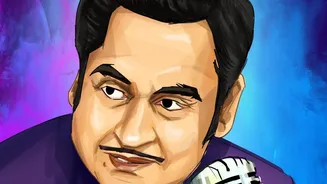
So, what are younger listeners hearing in these old songs that they don't find in modern music? For many, it's a sense of emotional depth and authenticity. Classic Bollywood songs were often crafted as pivotal narrative devices in films, with lyrics that functioned as poetry, telling complex stories of love, heartbreak, and self-discovery. Many Gen Z listeners, accustomed to algorithm-friendly, hook-driven tracks, are drawn to the lyrical richness and melodic complexity of composers like R.D. Burman or lyricists like Gulzar. In an era of autotune and heavy digital production, the raw, unfiltered vocals of artists like Kishore Kumar and the intricate arrangements using real instruments offer a different, more organic listening experience. This isn't a rejection of modern music, but a search for a different kind of emotional connection that these timeless tracks provide.
A New Connection, Not Just a Throwback
Crucially, this trend is about discovery, not just memory. While millennials might hear a 90s song and feel a pang of nostalgia for their school days, Gen Z is forming its own, fresh relationship with the music. They are not just inheriting their parents' playlists; they are claiming these songs as their own. For some, listening to retro music provides a unique identity beyond mainstream trends. The songs are being used to create new memories, whether as the soundtrack to a wedding reel or a comforting tune on a personal playlist. This new generation of fans appreciates the songs for their standalone musical qualities, separating them from their original cinematic context and integrating them into the fabric of their own digital lives. It's less about looking backward and more about a timeless appreciation for good music.
The Industry Takes Notice
This youth-driven revival has not gone unnoticed by the music industry. The consistent popularity of retro songs on streaming platforms and social media represents a significant cultural and commercial data point. Music labels are seeing renewed interest and revenue from their back catalogues, while the estates of legendary artists find their work celebrated by a new generation. The trend has also fueled a wave of official remixes and remasters, as labels try to formally re-introduce these classics. While some of these recreations are criticized for not capturing the soul of the originals, their existence is a clear sign that the industry is responding to the demand. Furthermore, this revival is influencing contemporary music production, reminding today's composers of the enduring power of strong melodies and meaningful lyrics in a media landscape often focused on fleeting virality.