

More Than Just Mud and Grime
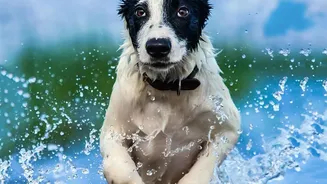
The shift towards meticulous post-walk cleaning is about more than just keeping floors clean. Veterinary clinics across India report a significant spike in specific health issues during the monsoon months. The combination of high humidity, wet fur, and
muddy puddles creates a perfect breeding ground for bacteria, fungi, and parasites. What may seem like a harmless splash in a puddle could expose a pet to serious water-borne diseases like leptospirosis, a bacterial infection that thrives in stagnant water and can be transmitted from animals to humans. This heightened awareness of risk, coupled with a cultural shift where pets are increasingly seen as integral family members, is driving pet parents to be more proactive about preventative care.
The All-Important Paw Care Routine
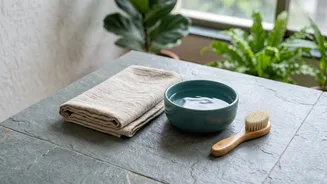
Paws are the primary point of contact with contaminated surfaces and a common entry point for infections. Vets emphasise that a simple wipe is often not enough. A thorough post-walk paw cleaning ritual is crucial. This involves washing the paws with lukewarm water, sometimes with a pet-safe antiseptic, and then drying them completely, especially between the toes where moisture can get trapped. Trapped dampness can lead to painful fungal or bacterial infections, causing constant licking, redness, and discomfort. Regularly checking for any cuts, swelling, or foreign objects lodged between the paw pads is also a key preventive measure that can stop minor issues from escalating.
Winning the Battle Against Damp Fur
A dog's coat, especially if it's long or dense, can hold moisture long after a walk, creating a warm, damp environment against the skin ideal for infections. This can lead to hot spots (acute moist dermatitis), which are painful, rapidly developing raw patches of skin, as well as yeast and fungal infections that cause intense itching and a foul odour. The key is thorough drying. Using a highly absorbent microfibre towel is a good first step, paying special attention to the underbelly, armpits, and neck folds. For breeds with thicker coats, some vets recommend using a hairdryer on a low or cool setting to ensure the fur is dry right down to the skin, preventing moisture-related problems.
Watching for Hidden Dangers
Wet weather brings other risks that a hygiene routine can help manage. Tick and flea populations explode in humid conditions, making post-walk checks essential. Running your hands through your pet's fur, checking around the ears, neck, and between the toes, can help you spot these parasites before they cause serious issues like tick fever. The high moisture content in the air also makes ear infections more common, particularly in breeds with floppy ears that trap moisture. Gently wiping the visible part of the ear dry after a walk can significantly reduce this risk. Pet parents are also becoming more cautious about letting their dogs drink from puddles, which can cause gastrointestinal problems or expose them to leptospirosis.
The Right Tools for a Healthier Pet
This increased focus on hygiene has also led to the adoption of specific tools and products. Pet-safe antiseptic wipes, paw cleaning devices, and absorbent microfibre towels are becoming common fixtures by the doors of many homes. For pets prone to skin issues, vets may recommend medicated or antifungal shampoos containing ingredients like ketoconazole for use during the monsoon. The goal isn't just cleanliness, but creating a defensive barrier against the unique environmental challenges the rainy season presents. This small investment in a consistent routine is part of a larger trend of dedicated, informed pet parenting taking root across India.