








The Golden Rule: Visa First, Flights Later
It’s the most common and costly mistake travellers make: booking non-refundable flights and hotels before securing a Schengen visa. The excitement is understandable, but the financial risk is huge. Rejection rates for Indian applicants have hovered around
15-18% in recent years, often due to avoidable errors. A visa rejection not only means losing money on bookings but also creates a negative record for future applications. Think of your visa approval as the green light for your entire trip. The timeline for getting that approval should be the foundation upon which you build everything else. Planning around visa processing times isn't a hurdle; it’s a strategy for a stress-free and financially sound holiday.
Understanding the Schengen Timeline
The Schengen Area comprises 29 European countries, allowing travel across their borders with a single visa. Officially, consulates must process applications within 15 calendar days. However, this clock only starts when your application reaches the consulate, not when you submit it at a VFS centre. In reality, especially during peak seasons from May to August, processing can take 30 to 45 days or even longer for popular countries like France or Italy. You can apply up to six months before your trip, and it is strongly advised to apply at least 45 to 60 days in advance, particularly for summer travel.
New Border Rules: What is the EES?
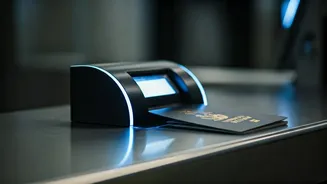
As of April 2026, the new European Entry/Exit System (EES) is fully operational. This system replaces manual passport stamping with a digital and biometric process. When you enter or exit the Schengen Area, your fingerprints and a facial image will be recorded along with your passport details. The system automatically calculates your permitted stay of 90 days within any 180-day period, making it easier to track travel days but also stricter on overstays. While EES changes how you cross the border, it does not change the requirement for Indian citizens to obtain a Schengen visa before travelling. You may also hear about ETIAS, but this is a travel authorisation for visa-exempt nationalities and does not apply to Indian passport holders, who still need a visa.
A Practical Planning Calendar
To avoid last-minute panic, follow a structured timeline. 4-6 Months Before Travel: Research your itinerary. Decide which country will be your main destination (where you’ll spend the most nights), as you must apply to that country's consulate. This is the time to understand the specific document requirements for that embassy. 3 Months Before Travel: Start gathering your documents. This includes ensuring your passport has at least three months' validity beyond your return date and two blank pages. Arrange for travel insurance with a minimum coverage of €30,000, which is mandatory. Book your visa appointment, as slots can fill up weeks in advance. 6-8 Weeks Before Travel: Submit your visa application. This buffer accounts for potential processing delays, especially during peak travel times. After Visa Approval: This is the time to book flights and finalise accommodation. With the visa in hand, you can confidently commit to non-refundable bookings and save money.
Avoiding Common Application Pitfalls
A strong application tells a clear and consistent story. The most common reasons for rejection among Indian applicants are preventable. One major red flag is making a large, unexplained cash deposit into your bank account just before applying; this can be perceived as borrowing funds to inflate your balance. Always provide a clear day-by-day travel itinerary that matches your hotel and flight reservations. Use a detailed cover letter to explain your purpose of travel. Finally, ensure every document, from your employment letter to your bank statements, is consistent and tells the same story about your trip. Inconsistencies across documents are a frequent reason for refusal.