







What is Farm-to-Fork Traceability?
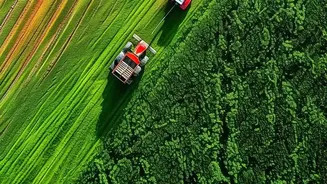
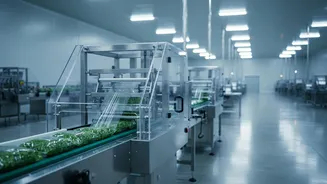
Think of it as a digital passport for your food. Farm-to-fork traceability is the process of documenting a food product's entire journey, from the moment it is grown or produced, through processing, packaging, and distribution, until it reaches the retail
shelf. Using technologies like QR codes on packaging, blockchain ledgers, and Internet of Things (IoT) sensors, this system creates a transparent and unchangeable record of every step. When you scan a QR code on a package of mangoes, for instance, you could see the orchard where it grew, the harvest date, and its path to your store. This creates an unbroken chain of information, connecting the consumer directly to the origin of their food.
The Challenge with Traditional Supply Chains
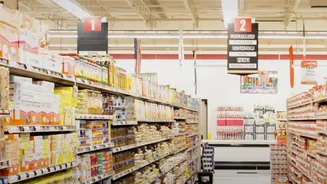
India's food supply chain is vast and notoriously complex. A single product can pass through numerous intermediaries—farmers, aggregators, processors, distributors, and retailers—before it gets to your kitchen. Historically, this has been a paper-based system, making it incredibly difficult to track and trace items efficiently. When a food safety issue arises, such as contamination with bacteria or unapproved chemicals, pinpointing the source becomes a monumental task. Investigators may have to sift through fragmented records from dozens of different entities, a process that can take weeks. This delay puts more consumers at risk and often forces companies to issue broad, costly recalls, wasting perfectly safe food in the process.
How Data Enables Rapid Response
This is where a digital traceability system changes the game. With a complete, time-stamped digital record of every hand-off in the supply chain, identifying the source of a problem becomes surgical and swift. If a batch of spices is found to be contaminated, authorities can scan the product's data to see exactly which farm it came from, which processing plant it went through, and which specific batches were affected. This allows for a targeted recall of only the contaminated products, sometimes within hours, instead of a blanket removal of all related items from shelves. This speed is crucial for protecting public health and minimising the economic damage to both consumers and businesses.
The Push for Traceability in India
Regulators are taking notice. The Food Safety and Standards Authority of India (FSSAI) is increasingly emphasizing traceability in its regulations. New rules introduced in 2026 enhance requirements for food businesses to maintain detailed digital records of raw materials and production. Furthermore, government think tank NITI Aayog is reportedly planning a major overhaul of the nation's food safety framework, with farm-to-fork tracking as a central pillar. This regulatory push, combined with growing consumer demand for transparency, is encouraging more private companies to offer traceability solutions tailored for the Indian market.
Hurdles on the Path to Full Adoption
Despite its immense potential, widespread implementation of farm-to-fork traceability in India faces significant challenges. The primary obstacle is cost. For the millions of small and marginal farmers who form the backbone of Indian agriculture, investing in the necessary technology can be prohibitive. Many rural areas also lack the required infrastructure, such as reliable internet connectivity and electricity, which are essential for digital record-keeping. There's also the challenge of digital literacy among farmers and resistance from middlemen who currently benefit from the lack of transparency in the supply chain. Overcoming these hurdles will require a concerted effort from government, industry, and technology providers to create solutions that are both affordable and accessible.