


The Old Rules No Longer Apply
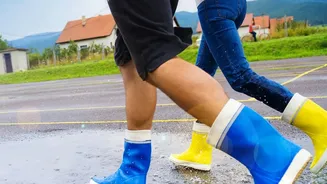
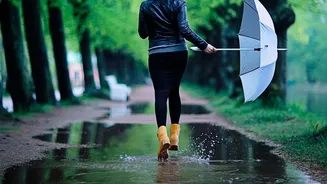
For years, the Indian monsoon dictated a simple, unwritten dress code for feet: cheap, disposable, and preferably plastic. The goal was singular—to survive the daily deluge, commute through waterlogged streets, and avoid the dreaded squelch of a water-soaked
shoe. But 2026 marks a significant shift in our approach. The new mantra is no longer just about staying dry, but about quick-drying, versatile, and stylish solutions. Today's consumer expects footwear to transition seamlessly from a rainy street to an office meeting or a casual brunch. This has pushed brands to innovate beyond basic rubber flip-flops, focusing on materials and designs that serve a multi-faceted urban life. The focus is now on durability and hygiene, with an understanding that the right shoe prevents both slips and skin infections.
Material Is the New Mantra
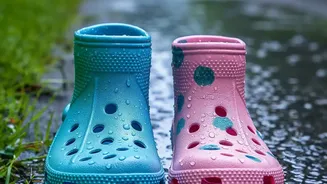
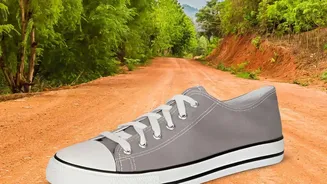
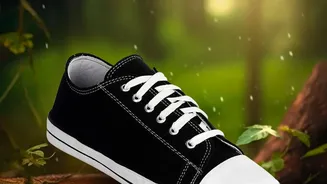
The foundation of this footwear revolution lies in materials. While leather and canvas were once monsoon mainstays for the style-conscious, they are now widely recognised as impractical choices that absorb water, take forever to dry, and harbour germs. The 2026 shift champions materials like EVA (ethylene-vinyl acetate), rubber, and treated synthetics. These materials are inherently waterproof, incredibly lightweight, and easy to clean. Another key trend is the rise of quick-drying and breathable uppers, sometimes featuring ventilation ports, which allow water to escape easily and prevent the stuffiness that leads to odour and fungal infections. Even jelly shoes, a nostalgic trend, have made a comeback with modern designs, offering a waterproof and stylish alternative for city walks.
The All-Important Grip
A stylish shoe is useless if it sends you sliding across a mossy pavement or a smoothly tiled office lobby. One of the biggest non-negotiables for monsoon footwear is a reliable anti-slip sole. Smooth-soled footwear is a major hazard during the rains. Instead, look for shoes with deep grooves and textured outsoles designed to channel water away and maintain traction on wet surfaces. Rubber soles are generally considered the best choice for their excellent grip and durability in wet conditions. This focus on safety doesn't mean compromising on style; many fashionable clogs, sandals, and even boots now incorporate rugged, high-traction soles.
A Style for Every Situation
This year's monsoon footwear trends cater to every lifestyle. For the urban commuter, options range from fashionable flatform rain boots to sleek waterproof loafers that are office-appropriate. Clogs and Croc-style footwear have evolved from purely functional items to fashion statements, available in a variety of colours and customisable options. For those planning weekend getaways or light treks, waterproof hiking shoes and all-terrain sandals with sturdy straps offer the necessary support and protection. Even traditional footwear is getting a monsoon-friendly makeover, with some brands offering water-resistant mojari styles. The key is to own a pair that suits your most common travel need, whether it's a short walk to the metro or a more adventurous outing.
The Rise of Sustainable Choices
Perhaps the most significant part of the 2026 footwear shift is the growing consciousness around sustainability. While PVC and cheap plastics are waterproof, their environmental impact is a major concern. In response, a new wave of brands is championing eco-friendly materials like natural rubber, recycled plastics, and even algae-based foam. These options offer the same, if not better, performance in terms of water resistance and comfort, but with a much smaller environmental footprint. Choosing a durable, sustainably made pair of shoes over a cheap plastic one that will be discarded after one season is a powerful way to participate in this positive shift, ensuring your feet—and the planet—are well cared for.