





Your Feet, the Unsung Heroes
Before we even consider ditching our boots, it's crucial to appreciate the complexity of our feet. Each one contains 26 bones, 33 joints, and over 100 muscles and ligaments, all working together to absorb immense pressure with every step. When hiking,
our feet manage uneven terrain, dramatic inclines, and the added weight of a pack. Overlooking their health can lead to common issues like blisters, strained tendons, and persistent soreness that can ruin a trip. Proper conditioning and smart footwear choices are the foundation of any good hike, ensuring your feet can carry you comfortably and safely for miles.
The Barefoot Philosophy
Barefoot hiking is more than just walking without shoes; it’s a movement built on the idea of reconnecting with the earth and our own biomechanics. Proponents argue that traditional, heavily cushioned hiking boots can weaken our foot muscles and dull our sense of the ground. This dulled sense, known as proprioception, is our body's awareness of its position in space. By removing the barrier of a thick sole, barefoot hikers believe they gain a more intimate feel for the trail, leading to improved balance, agility, and a more natural, mindful walking pattern.
Potential Benefits of Going Bare
Walking without supportive shoes forces the smaller, often-neglected muscles in the feet and ankles to activate and strengthen. Over time, this can lead to stronger, more resilient feet that are less prone to certain types of injuries. The enhanced ground-feel sharpens reflexes and can encourage a lighter, lower-impact stride that may be easier on the joints. Many who practice it report a feeling of freedom and a heightened sensory experience, turning a simple walk in the woods into a more immersive event. Furthermore, the lightweight nature of minimalist or no footwear means using less energy with each step.
The Very Real Risks and Dangers
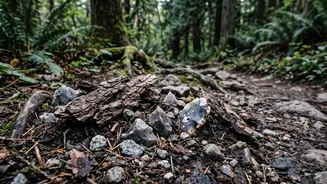
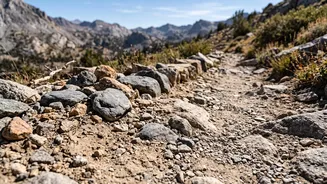
The path of a barefoot hiker is, quite literally, fraught with peril. The most obvious risk is injury from the trail itself: sharp rocks, broken glass, thorns, and splinters pose a constant threat of puncture wounds, cuts, and bruises. Wet or muddy conditions can introduce bacteria into any small abrasion, leading to infection. Beyond surface-level injuries, there is a significant risk of more serious structural damage. Feet that are unaccustomed to the stress can suffer from stress fractures, plantar fasciitis, or Achilles tendonitis if you transition too quickly without proper conditioning.
A Safer Middle Ground: The Minimalist Shoe
For those intrigued by the benefits but wary of the risks, minimalist 'barefoot' shoes offer a compelling compromise. These shoes feature a thin, flexible sole and a wide toe box, aiming to simulate the barefoot experience while still providing a crucial layer of protection. They allow for better ground-feel and natural foot movement than traditional boots but shield you from the most immediate dangers. Many experienced hikers and even some podiatrists see minimalist footwear as a balanced approach, granting some of the strengthening benefits without the high risk of injury associated with going completely unshod.
How to Start Safely
If you are determined to try barefoot hiking, the universal advice from experts is to start extremely slow. Begin on soft, predictable surfaces like a grassy park or a sandy beach for very short durations. Pay close attention to where you step, always looking a few paces ahead to plot a safe course. Never drag or shuffle your feet; step straight down, placing your weight on the ball of your foot rather than the heel. Gradually increase your distance and begin to introduce more varied, but still visible, terrain. Listen to your body—pain is a signal to stop, rest, and reconsider your approach.