







What Are the New PUC Validity Rules?
The Ministry of Road Transport and Highways has overhauled the validity periods for PUC certificates, tying them to a vehicle's age, emission standard (Bharat Stage or BS), and type (private or transport). The changes, notified on November 13, 2026, aim
to create a more nuanced system. For owners of newer, less-polluting vehicles, this means fewer trips to the testing centre. For older vehicles, the requirements remain frequent to ensure they stay within emission limits. All vehicles still need a valid PUC certificate after the first year of registration.
New Rules for BS-VI Vehicles
The most significant changes apply to vehicles compliant with BS-VI norms. For private (non-transport) BS-VI vehicles, the new rules are tiered by age: vehicles up to six years old now require a PUC test only once every three years. Those between six and ten years old need an annual certificate. Once a private BS-VI vehicle crosses the 10-year mark, it must be tested every six months. For transport (commercial) BS-VI vehicles, the validity is two years for vehicles up to six years old, one year for those aged six to ten, and six months for those older than ten years.
What About Older Vehicle Norms?
The rules for older vehicles have also been streamlined. All vehicles complying with BS-I, BS-II, and BS-III emission standards will now have a uniform PUC certificate validity of three months. For the large number of vehicles on the road that are BS-IV compliant, the validity period has been set at six months. These shorter renewal cycles for older vehicles are designed to more closely monitor their emissions and ensure they are not contributing excessively to air pollution.
A Standardised, Digital System
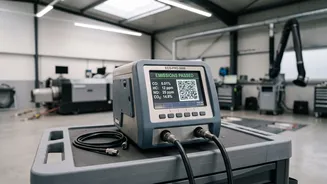
Beyond just validity, the Centre's push includes creating a uniform, nationwide PUC system. All certificates are now linked to the central VAHAN database and feature a QR code. This code contains details of the vehicle, its owner, and emission status, allowing for easy verification by enforcement officers. This digital integration makes the system more transparent and harder to forge. The system will also automatically send SMS reminders to vehicle owners when their PUC certificate is nearing its expiry date.
Why Fuel Stations Are Key
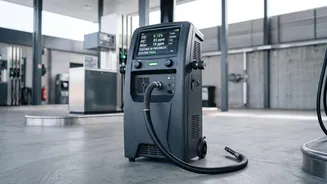
Implementing these rules nationwide means making testing more accessible. Authorised PUC testing centres are increasingly being set up at fuel stations to improve convenience and compliance. Some regions, like Delhi-NCR, have even moved towards a 'No PUC, No Fuel' policy, where fuel pumps are equipped with automatic number plate recognition (ANPR) cameras that check the VAHAN database for a valid certificate before dispensing fuel. This direct linkage at the point of refuelling is seen as a powerful tool to enforce emission norms.
Penalties for Non-Compliance
Driving without a valid PUC certificate can lead to significant penalties under the Motor Vehicles Act. The fine can be as high as ₹10,000, and in some cases, may be accompanied by imprisonment for up to three months or suspension of the driver's licence. With the new digitised system, enforcement is becoming more stringent, as authorities can easily check a vehicle's status through the national database. Furthermore, a valid PUC certificate is mandatory for renewing your vehicle's insurance policy, adding another layer of consequence for non-compliance.