


Essential Monsoon Driving Tips
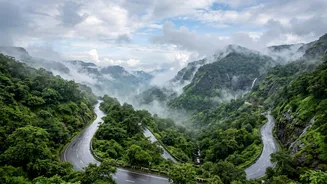
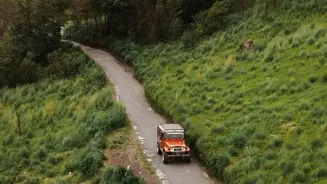
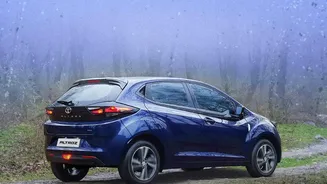
Driving in the Ghats during the monsoon is an experience, but it requires caution. Roads can be slippery and visibility often drops due to heavy rain and thick fog. Always check weather updates before you leave. Drive slower than usual, use your fog lamps
when needed, and be wary of small streams or waterfalls crossing the road. It's best to avoid driving after dark. Ensure your vehicle's tyres, brakes, and wipers are in excellent condition. A flexible itinerary is your best friend, as the fog and rain might alter your plans, making the drive itself the main attraction.
Route 1: The Satara to Kaas Plateau & Thoseghar Falls Circuit
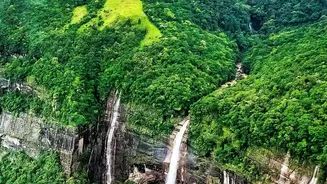
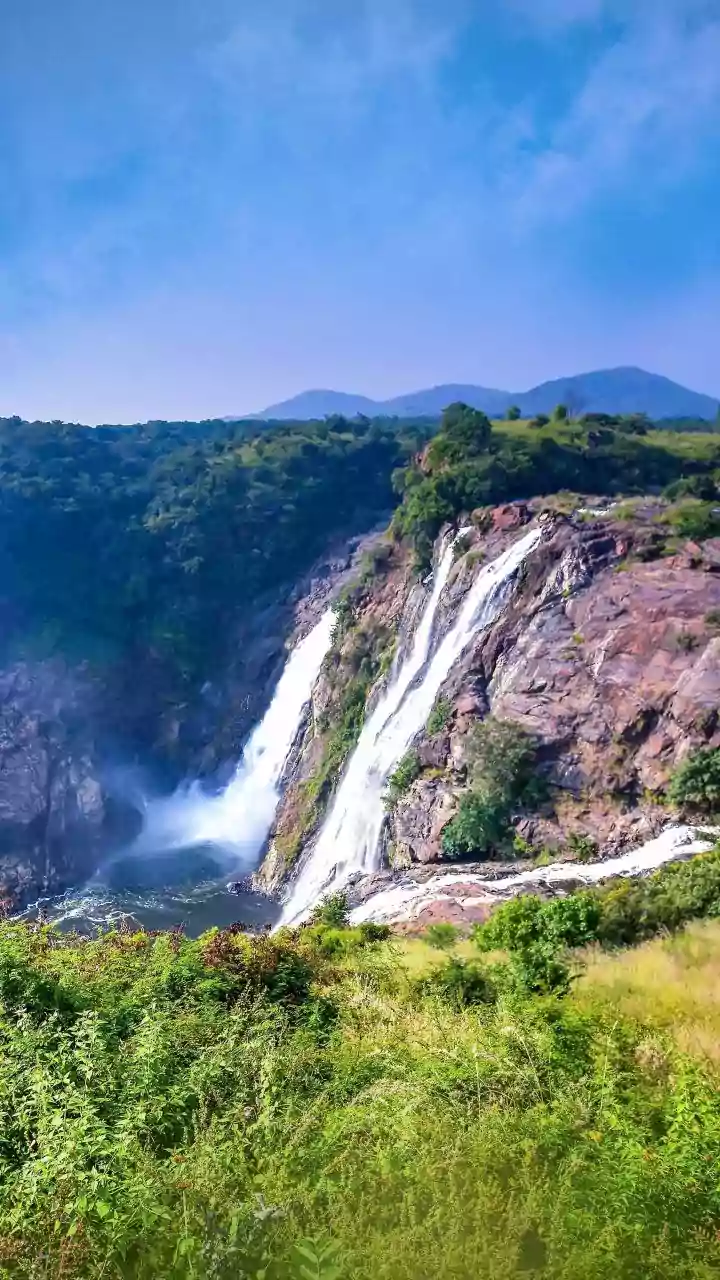
This route is a monsoon classic, famous for its dramatic landscapes. Start from Satara and head towards Thoseghar Falls, about 20 km away. These seasonal falls are a series of cascades, with the main one plunging from a height of around 200 metres. The viewing platform offers a spectacular and safe vantage point to witness their monsoon fury. From Thoseghar, continue towards the Chalkewadi Windmill Farms, one of Asia's largest, where hundreds of turbines stand amidst the misty, green hills. The main event of this circuit is the Kaas Plateau, a UNESCO World Natural Heritage site. While the famous mass flowering peaks around September, the drive to the plateau is stunning throughout the monsoon, with lush greenery and a tranquil atmosphere. Remember that visiting Kaas during peak bloom requires prior online booking due to visitor limits.
Route 2: The Mahabaleshwar to Pratapgad Fort Drive
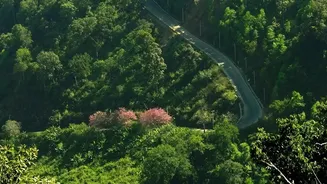
This journey combines history with breathtaking natural beauty. The drive from Mahabaleshwar to Pratapgad Fort, approximately 24 km, takes you along winding roads with panoramic views of the surrounding valleys. During the monsoon, the fort, perched at an altitude of over 3,500 feet, is often shrouded in mist, giving it a mystical aura. The fortifications are remarkably intact, and the four lakes within its walls often overflow, adding to the rainy season's charm. On the way, stop at viewpoints like Lodwick Point, which offers a dramatic, though often cloud-covered, view of the fort and the deep valleys. The drive itself is an adventure, with dense forests and sudden clearings that reveal the sheer scale of the Sahyadri mountains.
Route 3: The Drive to Tapola, 'Mini Kashmir'
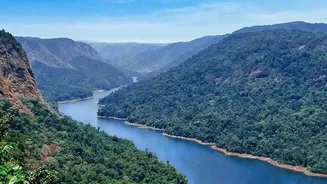
Located about 25 km from Mahabaleshwar, the drive to Tapola is one of the most picturesque in the region. Known as the 'Mini Kashmir of Maharashtra', Tapola is a rustic hamlet at the confluence of the Koyna and Solshi rivers, forming the sprawling 90-km-long Shivsagar Lake. The road to Tapola is narrow and winding, cutting through dense forests that come alive with countless unnamed streams and waterfalls during the monsoon. Once there, the main activity is boating on the vast lake, which offers a unique perspective of the forest-clad hills. The journey, with the fog playing hide-and-seek between the trees, is often more memorable than the destination itself.
Route 4: Exploring the Panchgani-Mahabaleshwar Stretch
The route connecting Mahabaleshwar and its neighbouring hill station, Panchgani, is packed with iconic viewpoints and experiences. A must-visit is Table Land in Panchgani, one of Asia's largest plateaus. In the monsoon, it turns into a vast green carpet, often with its head in the clouds. Driving between the two towns, you'll pass several famous spots like Parsi Point and Sydney Point, which offer magnificent, cloud-draped panoramas of the Krishna Valley. While some viewpoints may be obscured by fog, the atmospheric drive makes up for it. This route is also home to Venna Lake, where you can enjoy a boat ride if the weather permits, and numerous stalls selling roasted corn on the cob – a monsoon ritual for many visitors.