



The Great Urban Exodus
A quiet revolution is reshaping the professional landscape for many in India's tech sector. Fed up with the relentless pace, grueling commutes, and deteriorating air quality of Delhi and the National Capital Region, a significant cohort of software developers,
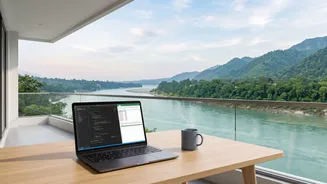
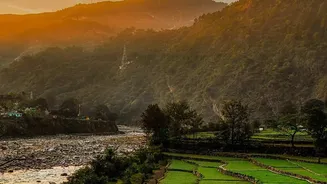
product managers, and digital marketers are packing their laptops and heading for the hills. The destination of choice for many is Rishikesh. Once primarily known as a pilgrimage site and the 'Yoga Capital of the World', the town is rapidly transforming into a sought-after hub for digital nomads and professionals seeking a 'workation'. This migration is driven by a fundamental shift in priorities; the pursuit of a better work-life balance, cleaner air, and a more mindful existence is no longer a retirement dream but an immediate, achievable goal. The flexibility afforded by remote and hybrid work models, a lasting legacy of the pandemic, has empowered these professionals to swap concrete jungles for serene, natural environments.
Why Rishikesh Is Winning
While many mountain towns offer scenic beauty, Rishikesh presents a unique and compelling package. Its proximity to Delhi-NCR makes it an accessible weekend escape or a long-term base. But the appeal runs deeper. The town offers a rare blend of spiritual tranquility, adventure sports like white-water rafting, and a vibrant café culture. Evenings can be spent at the Ganga Aarti, a deeply spiritual ritual, while weekends are for trekking and exploration. This combination of wellness and activity provides a holistic lifestyle that the city cannot match. Crucially, the infrastructure is catching up to the demand. Improved internet connectivity, with reliable 4G from major providers and fiber-optic options in many places, has addressed one of the biggest concerns for remote workers. The town is dotted with work-friendly cafés and dedicated coworking zones, ensuring productivity is not sacrificed for peace.
The Rise of Co-Living Communities
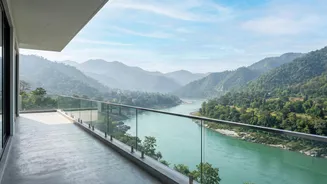
This trend has fueled the growth of a new hospitality model: co-living spaces. These are not just hotels or hostels; they are curated communities designed for the modern professional. For a monthly fee, residents get a private room, high-speed Wi-Fi, power backup, and access to shared amenities like kitchens, lounges, and dedicated workspaces. Operators like BunkStay, Skyard Hostels, and others offer packages that bundle accommodation with community events, yoga classes, and weekend adventures. This model tackles the potential isolation of remote work by fostering a built-in community of like-minded individuals. Friendships and professional collaborations blossom over shared meals and bonfire nights. These spaces, primarily located in areas like Tapovan and near Laxman Jhula, offer a practical, affordable, and social solution for those looking to stay for weeks or months at a time.
A Day in the Workation Life
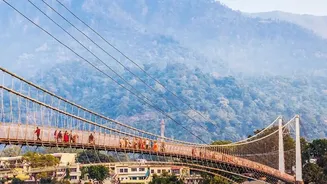
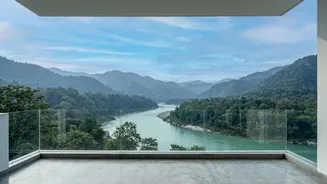
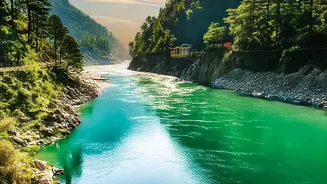
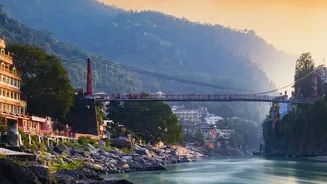
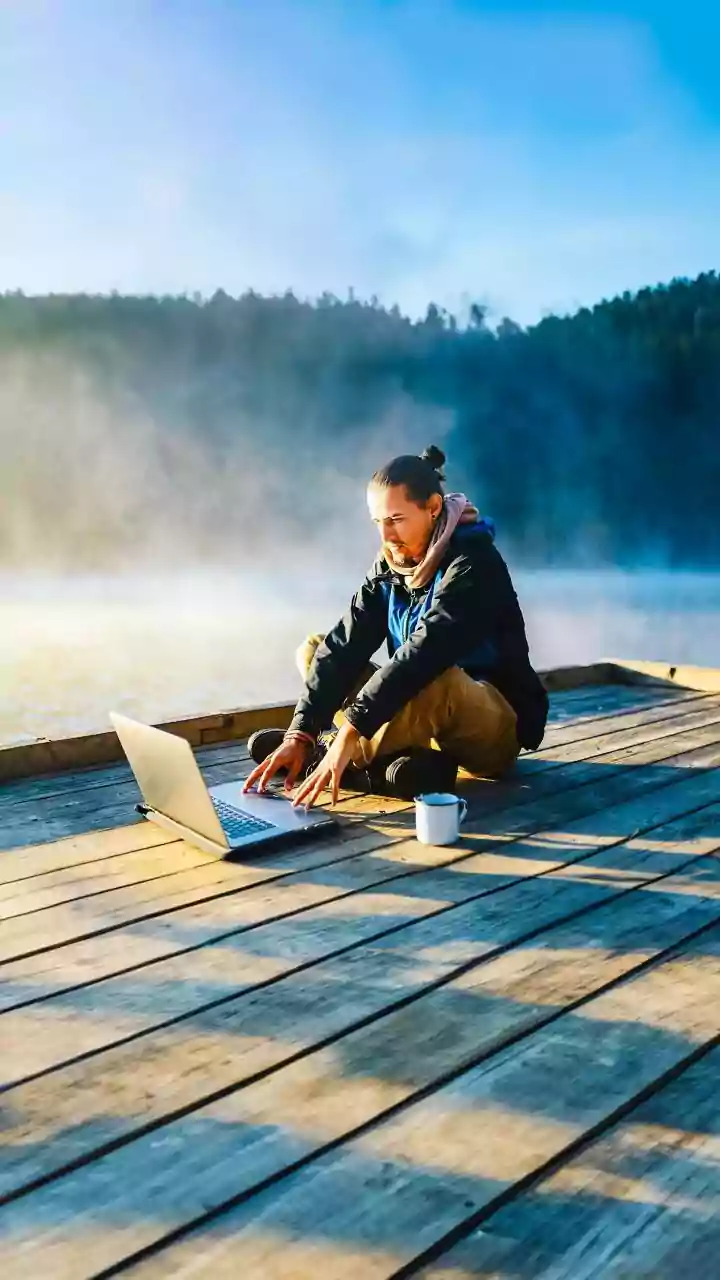
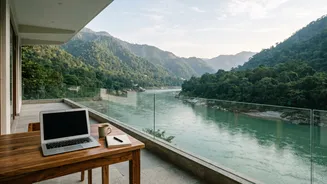
For a techie in Rishikesh, the 9-to-5 grind is reimagined. A typical day might start with a morning yoga session instead of a traffic jam. Work is punctuated by breaks spent sipping coffee at a riverside café, with the sound of the flowing river replacing office chatter. After logging off, the options are plentiful: a walk across the iconic Laxman Jhula, a meditation class at an ashram, or simply relaxing on a rooftop café watching the sunset over the mountains. This lifestyle is not about slacking off; professionals report that the peaceful environment and reduced stress actually boost their creativity and productivity. By removing the daily friction of city life, the mind is freed up to focus more deeply on complex tasks. It's a structured routine, but one that integrates wellness and work in a way that feels sustainable and enriching.
The Reality Behind the Instagram Post
Of course, the Ganga-side workation is not without its challenges. While internet connectivity has improved, it can still be unreliable, especially during peak tourist season or bad weather. Power cuts can happen, making a reliable power backup essential for anyone with deadlines. There's also the risk of the line between work and vacation becoming blurred, leading to a different kind of burnout if boundaries aren't set. However, for many, these are minor logistical hurdles compared to the immense benefits. The ability to save money due to a lower cost of living, connect with a diverse community, and reclaim a sense of well-being far outweighs the occasional inconvenience. The key is to go with realistic expectations and a plan to manage the practicalities.