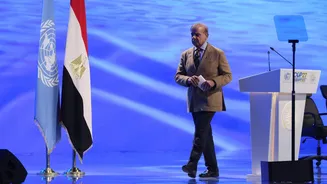






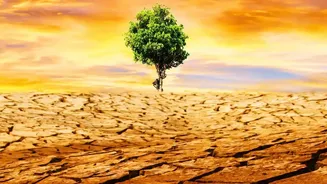
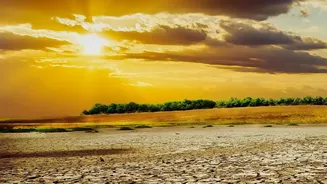
A stark new warning has emerged from a United Nations climate meeting in Türkiye: global efforts to combat climate change have stalled, placing the world on a perilous path to exceed the critical 1.5°C warming limit set by the Paris Agreement.
The Critical 1.5°C Threshold
The Paris
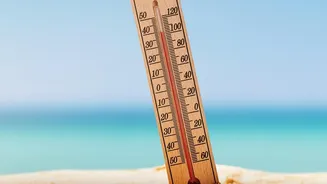
Agreement, a landmark international treaty, committed nations to limiting global warming to well below 2°C above pre-industrial levels, while pursuing efforts to limit the increase to 1.5°C. This lower target isn't arbitrary. Scientists view it as a crucial guardrail to prevent the most catastrophic and irreversible impacts of climate change. Breaching this limit, even temporarily, significantly increases the risk of 'tipping points'—such as the collapse of major ice sheets or die-offs of vital ecosystems like coral reefs—which could trigger runaway warming. Recent data already shows the world has warmed by approximately 1.47°C as of September 2026, putting us dangerously close to this threshold.
Progress Has Ground to a Halt
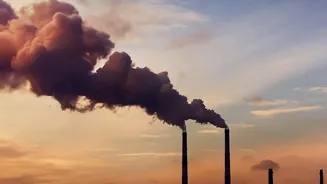
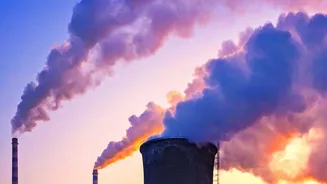
The latest assessments presented in Türkiye, including the UN Environment Programme's (UNEP) Adaptation Gap Report, paint a grim picture of inaction. For five consecutive years, meaningful progress has been offset by setbacks and a failure to implement promised plans. While some positive steps have been taken, such as an increase in renewable energy capacity, they are not nearly enough to counteract the continued reliance on fossil fuels. The UN's Emissions Gap report warns that even if all current national pledges are met, the world is on track for a devastating 2.6°C of warming by 2100. Greenhouse gas emissions remain at record levels, with current national climate plans falling dangerously short of what is required.
The Finance and Adaptation Gap
A major point of failure highlighted in the reports is the massive shortfall in climate finance, particularly for adaptation. Developing countries, which are often the least responsible for emissions but the most vulnerable to climate impacts, require an estimated $305 billion annually by 2035 to build resilience through measures like early warning systems and climate-resilient infrastructure. However, international public finance flows for adaptation have flattened, reaching only around $32 billion in 2024. This is a fraction of what is needed. UN officials have stressed that the world is not ready to adapt to current climate conditions, let alone the more extreme weather that a 1.5°C overshoot will bring.
What 'Stalled Action' Looks Like
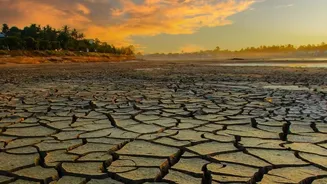
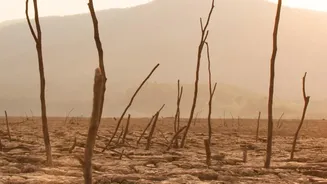
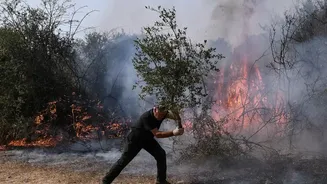
The consequences of this stalled action are not abstract future scenarios; they are happening now. The year 2026 has been marked by deadly floods, brutal heatwaves, and raging wildfires across the globe, leading to crippled economies and deepening inequalities. These events expose millions to acute food and water insecurity. The UN warns that the current powerful El Niño weather pattern is expected to intensify these impacts well into 2027, increasing risks of extreme heat, drought, and heavy rainfall. Acting early to protect vulnerable households before these disasters hit could cost half as much as responding after the fact, according to a recent UNDP report.
Is the Goal Still Within Reach?
While reports state that a temporary overshoot of the 1.5°C limit is now 'lost' or 'inevitable', the goal is to limit the magnitude and duration of that overshoot. This requires immediate and deep emissions cuts across all sectors, something that is not happening. To get back on a 1.5°C pathway, global greenhouse gas emissions need to fall by around 6% every year; current plans deliver only a fraction of that. As leaders gather for the COP31 climate summit in Antalya, the focus must shift from promises to urgent implementation. The call to action is clear: governments must enact policies that slash fossil fuel use, triple adaptation finance, and accelerate the transition to a low-carbon, resilient future before the window of opportunity closes for good.