

The Ultimate Marinade and Tenderizer
One of the most celebrated uses for curd in Indian cooking is as a base for marinades, particularly for meats like chicken, mutton, and lamb. The magic lies in its gentle acidity. Curd is rich in lactic acid, which works slowly to break down the tough
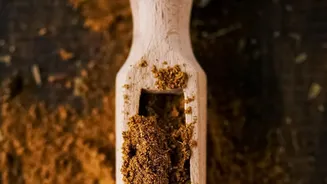
muscle fibres and collagen in meat. Unlike harsher acids from vinegar or citrus, which can make meat rubbery if left for too long, curd's moderate pH tenderizes proteins evenly, resulting in a succulent, juicy texture after cooking. This method has been used for centuries and is the secret behind iconic dishes like Tandoori Chicken and various kebabs. The thick consistency of curd also helps it cling to the meat, acting as a perfect carrier for spices like turmeric, cumin, and coriander, allowing them to penetrate deeply and infuse the meat with flavour.
The Creamy, Tangy Heart of Gravies
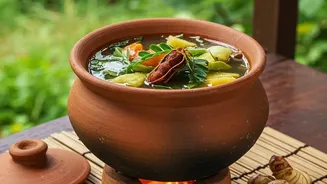
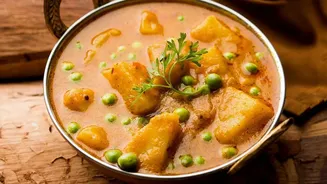
Curd is fundamental to the texture and taste of many Indian gravies and curries, from the comforting 'Kadhi' to the rich 'Dahi Aloo'. It serves as a natural thickening agent and provides a creamy consistency without the heaviness of cream. Its inherent tanginess is crucial for balancing the bold, warming spices that define Indian cuisine. This sour note cuts through the richness and heat, creating a more complex and harmonious flavour profile. It is used in both vegetarian and non-vegetarian dishes, lending its unique character to everything from lentil curries to chicken kormas.
Tips for Cooking with Curd
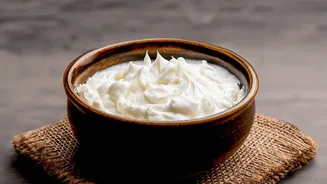
Cooking with curd can sometimes be tricky, as it has a tendency to split or curdle when exposed to high heat, especially if it's low-fat. To prevent this, there are a few trusted techniques. First, always use full-fat curd and ensure it is at room temperature before adding it to a hot dish. Whisking the curd until it is completely smooth is also essential. A popular method called 'tempering' involves gradually warming the curd by mixing a few spoonfuls of the hot gravy into the bowl of curd before adding the entire mixture back into the pan. This slow increase in temperature helps stabilize the proteins. For extra insurance, you can whisk a small amount of gram flour (besan) or cornstarch into the curd before adding it, which acts as a stabilizer. Finally, after adding the curd, keep the heat low and avoid boiling the gravy.
Beyond the Curry: Raitas, Drinks, and Desserts
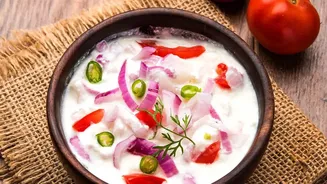
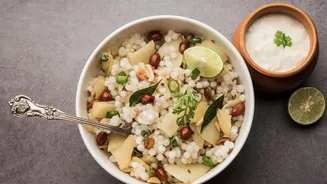
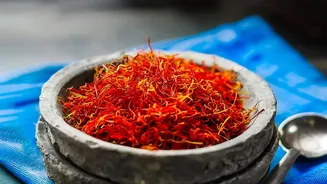
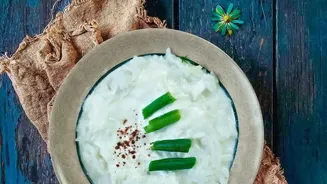
The role of curd extends well beyond hot dishes. It is the star of 'raita', a cooling side dish where whisked curd is mixed with vegetables like cucumber and onion, or fruits, and seasoned with spices. This accompaniment is essential for balancing the heat of spicy main courses. In the realm of beverages, curd is transformed into refreshing drinks like 'Lassi', a sweet or salty yogurt-based drink, and 'Chaas' (buttermilk), a thinner, spiced drink perfect for aiding digestion, especially during hot weather. Curd also finds its way into desserts. 'Shrikhand', a popular sweet in Maharashtra and Gujarat, is made from hung curd (chakka), sweetened with sugar and flavoured with saffron and cardamom. From snacks like 'Dahi Vada' to street food staples like 'Dahi Puri', its presence is felt across the entire spectrum of Indian food.