

The Myth: A Plant in Every Room for Fresh Air
The idea that houseplants are effective natural air purifiers largely stems from a well-known NASA study from 1989. The research was designed to see if plants could filter out common volatile organic compounds (VOCs) like formaldehyde and benzene from the
air in sealed environments, such as a space station. The study found that, yes, certain common houseplants could indeed remove these toxins from a small, sealed chamber. This finding was widely publicised and quickly became a major selling point for the indoor plant industry, leading to the popular belief that a few strategically placed plants could significantly improve a home's air quality.
The Reality: It Takes a Jungle
While the NASA study was scientifically sound, its findings don't directly apply to the average home or office. The key difference is that the experiments were conducted in small, hermetically sealed containers. Our homes, by contrast, are much larger and are constantly exchanging air with the outdoors through doors, windows, and ventilation systems. More recent scientific reviews have concluded that you would need an enormous number of plants to replicate the cleaning effect seen in the lab. Some studies suggest a range of 10 to 1,000 plants per square metre to make a meaningful difference, a density that is simply impractical for most living spaces. The rate at which plants slowly absorb toxins is far outpaced by the normal air exchange in a room.
So, What Good Are They for Air Quality?
This doesn't mean plants do nothing at all; their effect is just much smaller than we've been led to believe. The primary mechanism for air cleaning happens in the soil, where microorganisms break down pollutants. However, to truly combat indoor air pollution from sources like cooking, cleaning products, and outdoor smog, you are far better off investing in a good quality air purifier and ensuring your home is well-ventilated. While your snake plant or money plant is contributing, it’s working on a very small scale. Think of it as a tiny, decorative helper rather than the main line of defence for clean air.
The Real, Proven Benefits of Indoor Plants
If they aren't miracle air purifiers, why does the indoor plant market in India continue to boom, with projections showing significant growth? The answer lies in their other, more firmly established benefits. Research has consistently shown that being around greenery has profound psychological advantages. Interacting with plants, even just by having them in your space, can reduce stress, lower cortisol levels, and improve your mood and focus. The act of caring for a living thing provides a sense of purpose and a mindful break from the digital world. In our increasingly urban lives, houseplants provide an essential and accessible connection to the natural world.
Choosing Plants for Joy, Not Just a Job
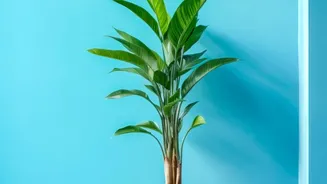
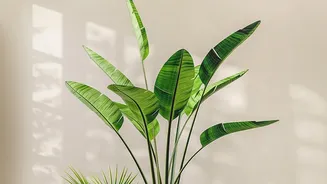
Instead of choosing plants based on potentially overblown air-purifying claims, it’s better to select them for their beauty, resilience, and the joy they bring you. In India, popular and easy-to-care-for choices like snake plants, money plants (pothos), spider plants, and areca palms are perfect for both new and experienced plant parents. These varieties are hardy, visually appealing, and thrive in a range of indoor conditions. They brighten up a room, add a touch of life to your decor, and ask for little in return. Focus on the aesthetic and mental wellness they provide, and you will never be disappointed.