




The Tale of Two Extraction Processes
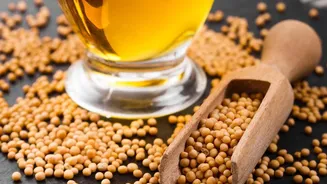
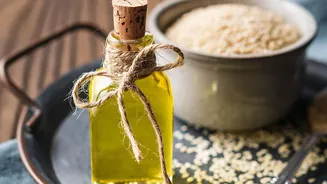
The fundamental difference between cold-pressed and refined oils lies in how they are made. Cold-pressed oils are extracted using a mechanical press at low temperatures, without the use of heat or chemical solvents. This method, often used for groundnut,
coconut, and mustard oils, is a simple, traditional process that crushes the seeds or nuts to release the oil. Because it's minimally processed, the oil retains its natural flavour, aroma, and colour. Refined oils, however, undergo an industrial process involving high heat and chemical solvents like hexane to extract the maximum amount of oil from the seed. This crude oil is then further processed—bleached, neutralised, and deodorised—to create a final product that is neutral in taste and has a longer shelf life.
A Nutritional Showdown
The extraction process directly impacts the nutritional profile of the oil. Cold-pressing, being a gentle method, helps preserve the oil's natural nutrients. These oils are often rich in antioxidants, vitamins like Vitamin E, and beneficial fatty acids (MUFAs and PUFAs) that are naturally present in the seed. The refining process, with its use of high heat and chemicals, can strip away many of these beneficial compounds. While refining removes impurities, it can also diminish the antioxidant content significantly. Some manufacturers of refined oils fortify their products with vitamins or blend them to achieve a specific fatty acid profile, but cold-pressed oils retain their nutrients naturally.
Understanding Smoke Points
The smoke point is the temperature at which an oil begins to break down and visibly smoke. Cooking an oil past its smoke point is not just bad for flavour; it also degrades the oil, destroying its beneficial nutrients and creating harmful compounds called free radicals. Generally, refined oils have a higher smoke point than their unrefined, cold-pressed counterparts. This is because the refining process removes the free fatty acids and other organic compounds that tend to smoke at lower temperatures. For example, refined sunflower or groundnut oil may have a smoke point around 225-230°C, while the cold-pressed versions smoke at much lower temperatures, sometimes around 160-180°C.
Best Uses for Cold-Pressed Oils
With their rich flavours and lower smoke points, cold-pressed oils are not ideal for high-temperature cooking like deep frying. They shine in applications where their natural taste and aroma can be appreciated. Think drizzling over salads, adding to dips, or for low to medium-heat cooking methods. In Indian cooking, this makes them suitable for preparing a tadka (at a controlled temperature), sautéing vegetables, or making curries on a medium flame. For instance, cold-pressed coconut oil, with a smoke point of about 177°C, is perfect for South Indian-style sautéing but not for deep frying pooris, which requires a higher temperature. Their nutritional benefits are best preserved when they are not exposed to intense heat.
When to Use Refined Oils
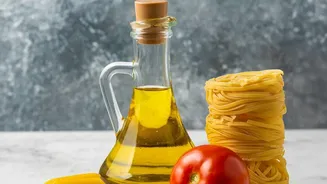
Refined oils are the workhorses for high-heat cooking. Their higher smoke points, often above 200°C, make them a more stable and safer choice for deep frying, searing, and high-heat stir-frying. Deep frying in an Indian kitchen typically occurs between 175°C and 190°C, a range where many cold-pressed oils would begin to smoke and break down. Refined oils like sunflower, rice bran, or refined groundnut oil can handle these temperatures without producing harmful compounds. Their neutral flavour also ensures that they do not overpower the taste of the food being fried, making them a versatile option for preparing everything from pakoras and samosas to other fried snacks.
A Place for Both in an Indian Kitchen
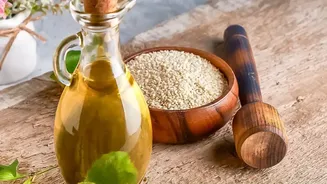
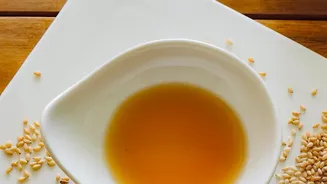
The debate isn't about one type of oil being universally good and the other bad. Rather, it's about using the right oil for the right job. A well-stocked Indian kitchen can benefit from having both. Use flavourful, nutrient-dense cold-pressed oils like mustard, groundnut, or sesame for everyday cooking on low to medium heat, for tempering spices, and for finishing dishes where you want their aroma to stand out. Keep a neutral, high-smoke-point refined oil on hand for those occasions that call for deep frying or cooking at very high temperatures. This balanced approach allows you to reap the nutritional benefits of cold-pressed oils while ensuring safety and stability when the heat is turned up.