







An Uneven and Deficient Monsoon
India's monsoon season, the lifeblood for nearly half of its farmland, ended in September 2026 with a notable shortfall. The India Meteorological Department (IMD) reported that rainfall was approximately 12.6% below the long-period average, making it the weakest
monsoon since 2015. The deficit was not uniform; while central India received near-normal rain, regions in the south, east, and northeast faced significant shortfalls. This erratic distribution is critical, as it means even areas that received some rain experienced long dry spells, depleting soil moisture just as crops entered crucial growth phases. The government has acknowledged the challenging conditions, with drought or severe drought being declared in states like Karnataka and Maharashtra.
Rice: The Thirstiest Staple at Risk
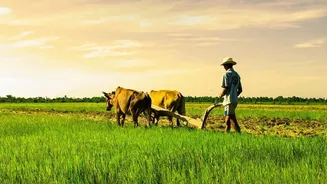
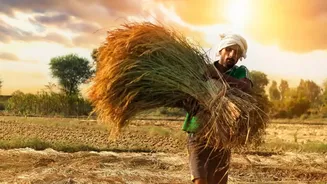
Rice, the primary Kharif crop, is particularly vulnerable to a weak monsoon due to its high water requirements. As of late September, data from the Agriculture Ministry showed that the area sown under paddy was down by about 3.7% compared to the previous year, a decline of nearly 1.7 million hectares. States like Karnataka, Telangana, and Andhra Pradesh have seen significant reductions in paddy sowing. While India maintains substantial rice stocks in its central pool, well above the buffer norms, a drop in production puts pressure on future supplies and can have a cascading effect on prices. The concern is less about immediate availability and more about the long-term impact on yields and market stability, especially for rain-fed paddy varieties.
Pulses and Oilseeds Face Moisture Stress
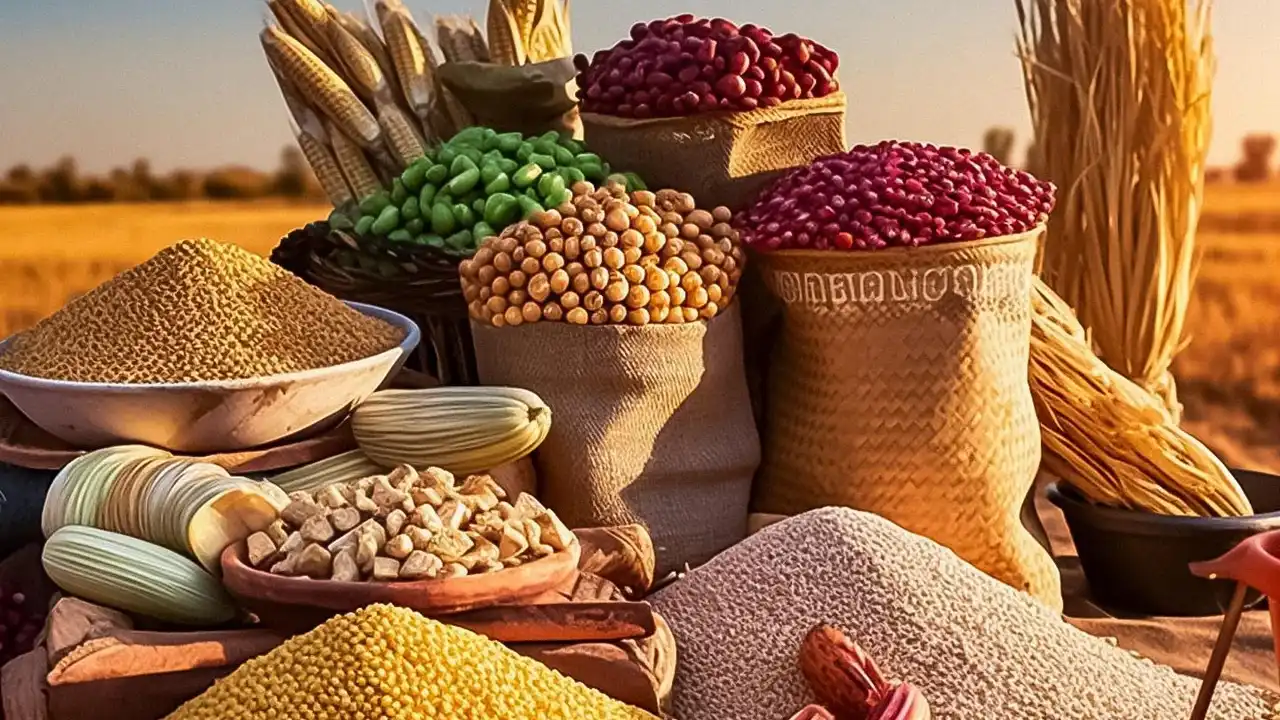
Pulses like tur (arhar), moong, and urad, along with oilseeds like soybean and groundnut, are also facing considerable stress. While overall sowing of pulses saw a slight increase nationally, this masks regional vulnerabilities. Many of these crops are grown in predominantly rain-fed areas, making them highly susceptible to moisture deficits during the critical flowering and pod-filling stages. A September rainfall deficit is particularly damaging for these crops. Consequently, a drop in domestic harvest volumes for pulses is anticipated, which is significant as India is the world's largest consumer and importer of these essential proteins. This has already prompted discussions about reducing import tariffs to stabilise domestic prices, which have seen inflationary pressure.
Cotton and Coarse Cereals Also Under Watch
Other major Kharif crops have not escaped the monsoon's inconsistency. Cotton sowing has registered a slight decline, and the crop is vulnerable to moisture stress during its flowering and boll development stages, which can lead to smaller bolls and reduced fibre yield. Similarly, the acreage for maize has seen a slight decrease. While the overall area under coarse cereals like bajra and jowar has increased, their final yield will be highly dependent on the moisture retained in the soil. The government has encouraged a shift towards less water-intensive crops like pulses and oilseeds in rain-deficient areas, but the success of this strategy hinges on the yield from these very crops, which are themselves under threat.
The Ripple Effect on the Economy and Your Wallet
The impact of a weak monsoon extends far beyond the farm gate. Lower agricultural output directly affects rural incomes, which can dampen demand for goods and services across the economy. For consumers, the most immediate concern is food inflation. Reduced production of key staples like pulses and oilseeds leads to tighter market supplies, which can push retail prices higher, especially heading into the festive season. Rating agency ICRA has already trimmed its agriculture growth forecast for the fiscal year, citing the poor monsoon. The government is preparing for the upcoming Rabi (winter) crop season with caution, as depleted reservoir levels and low soil moisture from the weak monsoon will present another set of challenges for farmers.