




Get Your Balcony Monsoon-Ready
Before you start planting, a little preparation can make all the difference. The biggest challenge for balcony plants during the monsoon is not a lack of water, but too much of it. Waterlogging is the primary cause of root rot and fungal diseases. Ensure
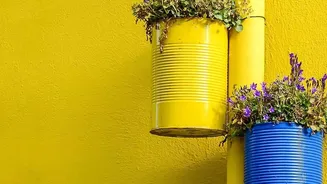
every pot you use has at least one drainage hole at the bottom. It’s a good idea to elevate your pots on small bricks or plant stands to allow excess water to drain away freely and improve air circulation. Using a well-aerated soil mix is also crucial. A good combination is regular potting soil mixed with some sand or coco peat to prevent it from becoming a dense, soggy mass. Finally, remember to regularly empty the saucers under your pots. Standing water is a breeding ground for mosquitoes, a significant health hazard during the monsoon.
Balsam (Gul Mehandi)
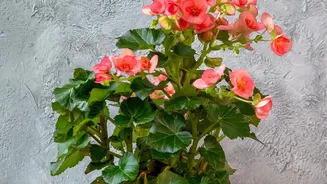
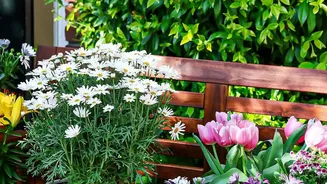
Balsam is a classic Indian monsoon annual for a reason. It is one of the easiest flowering plants to grow during this season, thriving in the high humidity. Available in a delightful range of colours including pink, purple, red, and white, its flowers resemble small camellias or roses. Balsam grows quickly from seeds sown in June or July and will start blooming profusely by August, adding a soft yet vibrant touch to your balcony railings and pots. They prefer partial sunlight and moist soil, making them perfectly suited for the often-cloudy monsoon days. A fun fact about balsam is that its mature seed pods burst when touched, making it a favourite among children.
Marigold (Genda)
No Indian festive decoration is complete without marigolds, and they are just as essential for a monsoon garden. These hardy flowers are incredibly adaptable and can tolerate seasonal changes well. Their brilliant yellow and orange hues bring a dash of sunshine to even the greyest of days. While they bloom actively in moderately rainy conditions, it's important to ensure they are not in waterlogged soil. Marigolds are not just beautiful; they are also known to naturally repel several common garden pests, helping to protect other plants on your balcony. They are easy to grow and maintain, making them a reliable choice for beginners and experienced gardeners alike.
Zinnia
If you want a flower that is both tough and beautiful, look no further than the zinnia. These daisy-like flowers come in a dazzling array of bold colours and are a magnet for butterflies, adding another layer of life to your urban garden. Zinnias stand up well to rain and are known for being hardy survivors. They can be easily grown from seed and will flower for months, providing continuous colour from the monsoon well into the early winter. They thrive in spots that receive some sun and, like other monsoon plants, require well-draining soil to prevent their roots from rotting during heavy downpours.
Rain Lily (Zephyranthes)
As the name suggests, the rain lily is a magical flower that often springs to life just after the first showers. The bulbs can lie dormant through the hot summer and then, almost overnight, produce elegant, delicate flowers in shades of white, pink, or yellow. Rain lilies require very little maintenance and are perfect for growing in pots. They are a delightful surprise, adding a touch of whimsy and elegance to your balcony garden. Planting the bulbs is inexpensive and simple, offering a high reward for minimal effort.
Hibiscus (Gudhal)
Hibiscus is a beloved tropical plant that flowers almost all year round, but its growth becomes even more vigorous during the monsoon. The high humidity encourages lush foliage and an abundance of its large, trumpet-shaped blooms. Available in countless colours from deep reds and bright pinks to sunny yellows, hibiscus can turn any balcony into a tropical paradise. These plants love moisture but also need good drainage. Regular pruning after a bloom cycle will help maintain its shape and encourage even more flowers.
Other Monsoon Beauties
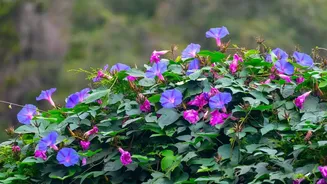
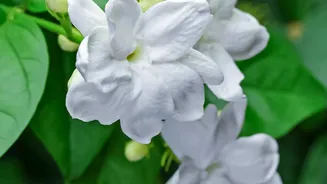
Beyond this list, several other flowers flourish in the Indian monsoon. The fragrant Jasmine (Mogra) fills the humid evening air with its intoxicating scent. Periwinkle (Sadabahar) is another incredibly reliable plant that tolerates heavy rain and blooms continuously with minimal care. For those with railings or trellises, the vibrant blue flowers of the Butterfly Pea (Aparajita) vine can create a stunning display. Even foliage plants like Coleus, with its multi-coloured leaves, and Money Plants grow explosively during this season, adding texture and shades of green to your floral arrangement.