





Monuments Under Siege
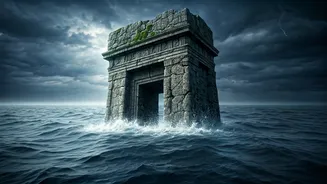
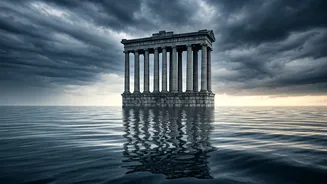
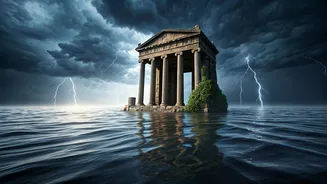
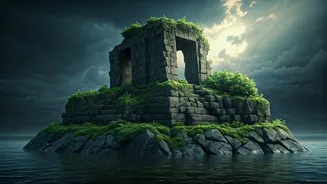
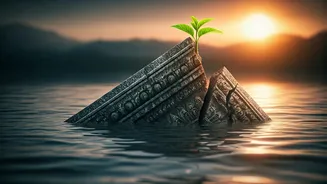
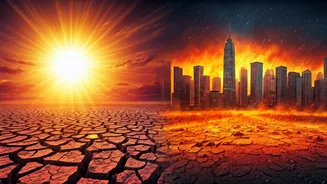
Across India and the world, the physical anchors of our history are crumbling under the weight of a changing climate. More intense and erratic rainfall, once-in-a-century floods, and blistering heatwaves are accelerating the decay of ancient structures.
In Rajasthan, the 12th-century Sonar Fort at Jaisalmer has seen walls collapse after unusually heavy rains. Coastal heritage sites, like Odisha's Konark Sun Temple and Tamil Nadu's Shore Temple, face the dual threats of rising sea levels and powerful cyclones. Even the iconic Taj Mahal has reported damage from extreme weather. These are not isolated incidents but part of a global pattern. Increased humidity, air pollution, and temperature fluctuations create a toxic cocktail that eats away at stone, brick, and delicate murals, erasing the artistry of centuries.
When Sacred Landscapes Vanish
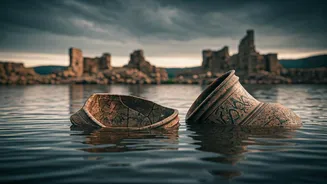
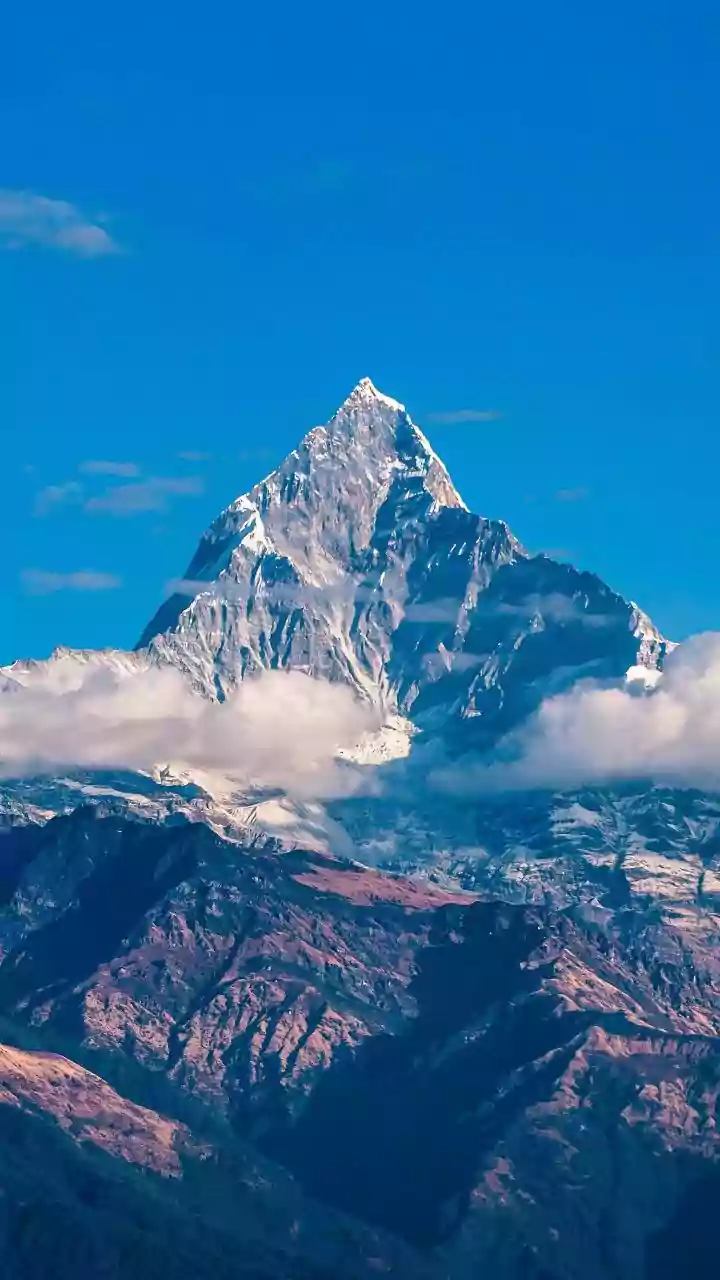
Cultural memory is not just stored in buildings; it resides in the landscape itself. For countless communities, specific mountains, rivers, and forests are sacred, imbued with stories and spiritual significance. The rapid melting of Himalayan glaciers is a prime example. Seen not just as ice but as deities and the lifeblood of great rivers, their retreat is a profound cultural and spiritual loss. Similarly, the river island of Majuli in Assam, a centre of Vaishnavite culture for centuries, is shrinking due to relentless erosion exacerbated by climate-driven flood patterns. As these landscapes are altered or disappear, the stories, rituals, and identities tied to them are threatened with extinction. It's a loss of the meaning of a place, not just the place itself.
The Fading of Living Traditions
Perhaps the most insidious threat is to our intangible heritage—the living traditions, knowledge, and practices passed down through generations. Climate change disrupts the delicate balance on which these traditions depend. Shifting seasonal patterns throw agricultural calendars and their associated festivals into disarray. The knowledge of which crops to plant and when, held by farmers for generations, becomes less reliable. Extreme weather events can make it impossible to hold traditional ceremonies or performances that are central to community life. Furthermore, as climate change forces communities to migrate from their ancestral lands, whether due to drought or sea-level rise, the continuity of their unique cultural practices is broken, risking their permanent loss.
A Generational Forgetting
The ultimate danger is a phenomenon known as environmental generational amnesia. As each new generation grows up in a world with a diminished natural and cultural baseline, they perceive this depleted state as normal. They don't remember the skies once filled with more birds or the local temple's carvings before they were worn away by acid rain. This collective forgetting makes it harder to grasp the true scale of what has been lost and weakens the resolve to fight for what remains. Preserving cultural memory, therefore, is not just about saving old things; it's about maintaining our connection to the past to understand the present and build a resilient future. It's a race to document and protect our shared heritage before it vanishes from both the physical world and our collective consciousness.