






The Science of Sweat and Slumber
Researchers are still exploring the exact mechanisms, but the connection between physical activity and better sleep appears to be rooted in our biology. One leading theory involves body temperature. Exercise raises your core body temperature, and the subsequent
drop a few hours later can signal to your brain that it's time to rest, facilitating sleepiness. Movement also has a significant impact on your hormones. It can help regulate cortisol, the body's primary stress hormone, which is a known sleep disruptor. At the same time, aerobic exercise prompts the release of endorphins, which can reduce stress and anxiety, creating a calmer mental state that is more conducive to sleep.
Finding Your Rhythm
The relationship between exercise and sleep also involves your body's internal 24-hour clock, or circadian rhythm. Regular physical activity can help anchor this rhythm, making your body's sleep-wake cycle more consistent. This helps you feel more alert during the day and sleepier at night. Studies suggest that activity can improve sleep architecture, the nightly cycling through different sleep stages. Specifically, moderate exercise is linked to an increase in slow-wave, or deep sleep, which is crucial for physical restoration and rejuvenation. Some research also indicates that physical activity is associated with a decrease in REM sleep and a longer time to enter the first REM stage, a pattern also linked to feeling more rested.
Does Timing Matter?
A common piece of advice is to avoid vigorous exercise too close to bedtime. The reasoning is that the spike in endorphins and core body temperature can leave you feeling too alert to sleep. For some people, exercising at least one to two hours before bed is essential to give the brain and body time to wind down. However, this isn't a universal rule. Recent studies suggest that for many, moderate evening exercise does not disrupt sleep and may even help them fall asleep faster. The best advice from experts is to listen to your body. If you find a late-night session leaves you wired, try shifting your workout to the morning or afternoon. Morning exercise, in particular, may help regulate melatonin release for better sleep that night.
Consistency Over Intensity
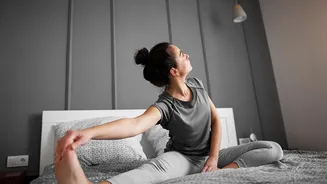
You don't need to run a marathon to reap the sleep benefits. Research consistently shows that moderate, regular activity is highly effective. Just 30 minutes of moderate aerobic exercise—like brisk walking, cycling, or swimming—may be enough to see an improvement in sleep quality that very same night. Studies show that people who exercise regularly often fall asleep faster and wake up less during the night. Both aerobic exercise and strength training have been shown to improve sleep efficiency. Even gentle, mindful movements like yoga and tai chi can be powerful, as they help calm the nervous system and reduce the stress that often keeps people awake. The key is to find an activity you enjoy and can stick with consistently. Even light physical activity is better for your sleep than being sedentary.