
The Crown Jewels and Their Burdens
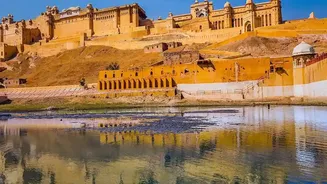
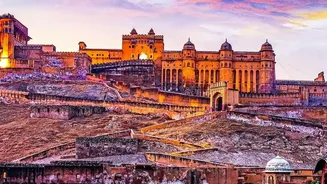
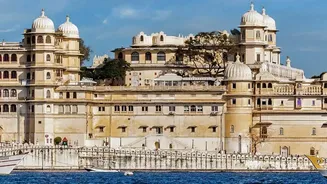
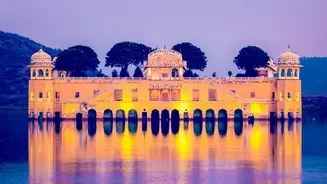
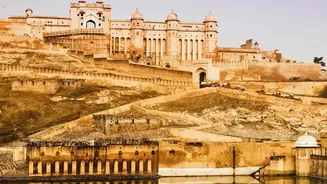
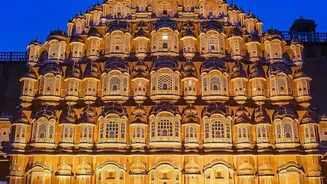
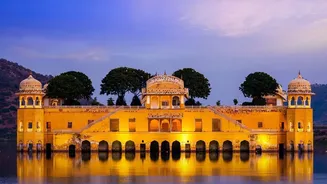
For decades, Rajasthan's tourism has revolved around a handful of star cities. Jaipur, Udaipur, and Jodhpur form a powerful trifecta that has captivated travellers with majestic forts, opulent palaces, and romantic vistas. This success, however, has come
at a cost. Overtourism during peak season has led to immense pressure on infrastructure, strained resources like water, and created a visitor experience that can sometimes feel more crowded than classic. As tourist numbers grow, the very charm that made these cities famous is at risk of being diluted, prompting officials and travellers alike to ask: what's next for the Land of Kings? The answer may lie in the places you have not yet heard of.
A Strategic Shift Unfolds
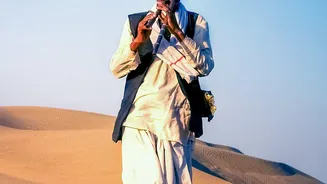
In response to these challenges, the Rajasthan government is actively promoting a new strategy: developing and showcasing emerging destinations. This 'emerging-destination push' is a deliberate effort to spread tourism's economic benefits more evenly across the state and offer travellers more diverse and authentic experiences. By encouraging visitors to explore lesser-known regions, the state aims to reduce the burden on its main hubs, preserve heritage in a more sustainable way, and increase the average length of a tourist's stay. Recent policies focus on improving infrastructure and connectivity to these new areas, from the desert circuits of Marwar to the tribal belts of Banswara. It's a calculated move to redefine Rajasthan not just as a collection of famous cities, but as a diverse, year-round travel destination.
Shekhawati: The Open-Air Art Gallery
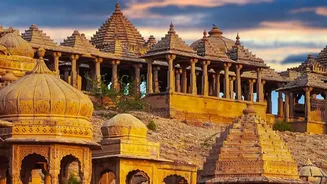
One of the prime alternatives being highlighted is the Shekhawati region, often called an 'open-air art gallery'. Towns like Mandawa and Nawalgarh are dotted with magnificent havelis (traditional mansions) covered in intricate frescoes. Unlike the grand forts, these havelis offer a more intimate glimpse into the lives of the wealthy merchant families who built them centuries ago. A walk through these towns is a journey through art and history, without the queues and crowds of the major tourist sites. This region offers a distinct cultural experience focused on art and architecture, providing a compelling reason to venture beyond the typical circuit.
Jawai: Where Leopards and People Coexist
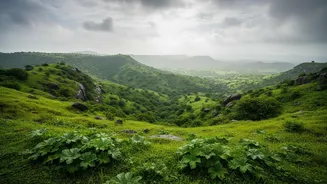
Proving that Rajasthan offers more than just palaces, the Jawai region has emerged as a unique wildlife destination. Set amidst dramatic granite hills, Jawai is famous for its significant leopard population. What makes it truly special is the relationship between the leopards and the local Rabari pastoral communities, who have coexisted for generations. Safaris here are not in dense jungles but across an open, rocky landscape, offering a thrilling and distinct wildlife experience. This focus on nature and sustainable ecotourism showcases a completely different facet of the state's appeal.
Bundi: A Quieter Royal Experience
For those who still crave the romance of forts and palaces but seek a slower pace, Bundi is an ideal substitute. This town, known for its blue-painted houses, fairytale-like palace, and remarkable stepwells, offers a more relaxed and authentic atmosphere. The Taragarh Fort looms over the town, providing stunning views, while ancient stepwells like Rani Ji Ki Baori showcase incredible architectural ingenuity. Bundi gives visitors the quintessential Rajasthani heritage experience on a more manageable and less commercialised scale.
The Promise and The Pitfalls
This push into new territories is not without challenges. Developing tourism in emerging destinations requires a delicate balancing act. The key is to build necessary infrastructure—like good roads, clean accommodation, and reliable amenities—without sanitising the very authenticity that makes these places special. There is a real risk that, if not managed carefully, these hidden gems could eventually face the same issues of overcrowding and commercialisation as their famous counterparts. Success will depend on implementing sustainable practices, empowering local communities to be stakeholders in tourism, and ensuring that development enhances, rather than erodes, the local culture and environment.