



The Science of Sun and Spice
At its heart, pickling is a science of preservation, born from the necessity of making seasonal abundance last through the year. Before refrigeration, climate was the single most important factor. Families adapted their techniques based on local weather
conditions, available oils, and seasonal ingredients. The methods used are a masterclass in culinary adaptation, turning fruits and vegetables into shelf-stable delicacies that pack a punch of flavour. This ancient practice, mentioned even in Ayurvedic texts, has evolved into a rich tradition where every jar tells a story of its origin.
Northern Heat and Sun-Dried Treasures
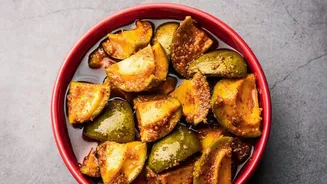
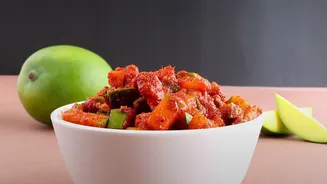
The intense, dry heat of North Indian summers is perfect for sun-drying, a technique central to the region's pickle-making. States like Punjab, Rajasthan, and Uttar Pradesh use the powerful sun to draw moisture out of raw mangoes, chillies, and other vegetables before they are spiced. This process concentrates the flavour and acts as a natural preservative. The region's agricultural landscape also dictates the choice of oil; mustard oil, with its pungent character and preservative qualities, is the foundation of most North Indian pickles, like the iconic 'aam ka achaar' (mango pickle). The result is a pickle that is bold, earthy, and matured by the sun.
Eastern Humidity and Fermentation
Travel east to Bengal and the Northeast, and the climate shifts to one of high humidity, especially during the monsoon. Here, sun-drying is less reliable. This has given rise to a culture of fermentation. Bengal's famous 'Kasundi' is a prime example. It is a sharp, pungent sauce made by fermenting mustard seeds, a process that creates a flavour profile often compared to wasabi. In the Northeast, where bamboo is abundant, communities have long preserved bamboo shoots through fermentation. Techniques in states like Assam and Manipur involve fermenting sliced shoots in earthen pots, creating staples like 'khorisa' and 'soibum' that define the region's cuisine.
Coastal Bounty in the South and West
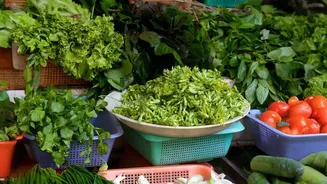
The coastal climates of South and West India offer a different set of ingredients and preservation challenges. The humidity here means that oil often becomes a key preservative. South Indian pickles, particularly from Andhra Pradesh, are famous for their fiery spice and tangy notes, often using sesame (gingelly) oil, which has a smoother profile than mustard oil. Local produce shines brightly. The sour 'gongura' (sorrel leaves) of Andhra Pradesh, which thrives in the heat, is transformed into a celebrated pickle with a unique, sharp tang. Further south in Kerala, you might find prawn pickles, a direct result of a coastal community preserving its local catch. The choice of souring agents like tamarind is also a hallmark of the region, reflecting what grows best locally.
More Than Just a Condiment
The choice of oil, the main fruit or vegetable, and even the spice blend are all dictated by local agriculture. A mango pickle from Gujarat might be sweet with jaggery, reflecting its sugarcane cultivation, while one from Andhra is fiercely spicy with Guntur chillies. A Rajasthani pickle might feature garlic, while a Bengali one centers on mustard. These regional variations are not just about taste preferences; they are a direct outcome of what the land provides and what the climate demands. From the sun-cured pickles of the north to the oil-rich preparations of the south, each recipe is a map of its region.