
A Landscape Reborn in Rain
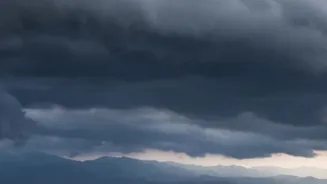
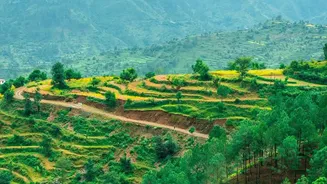
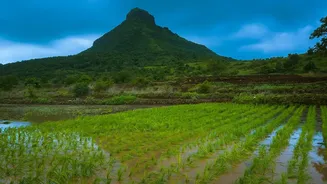
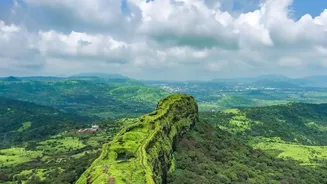
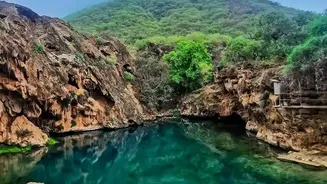
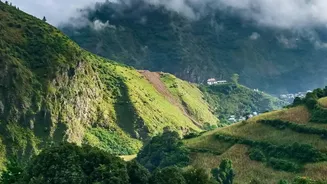
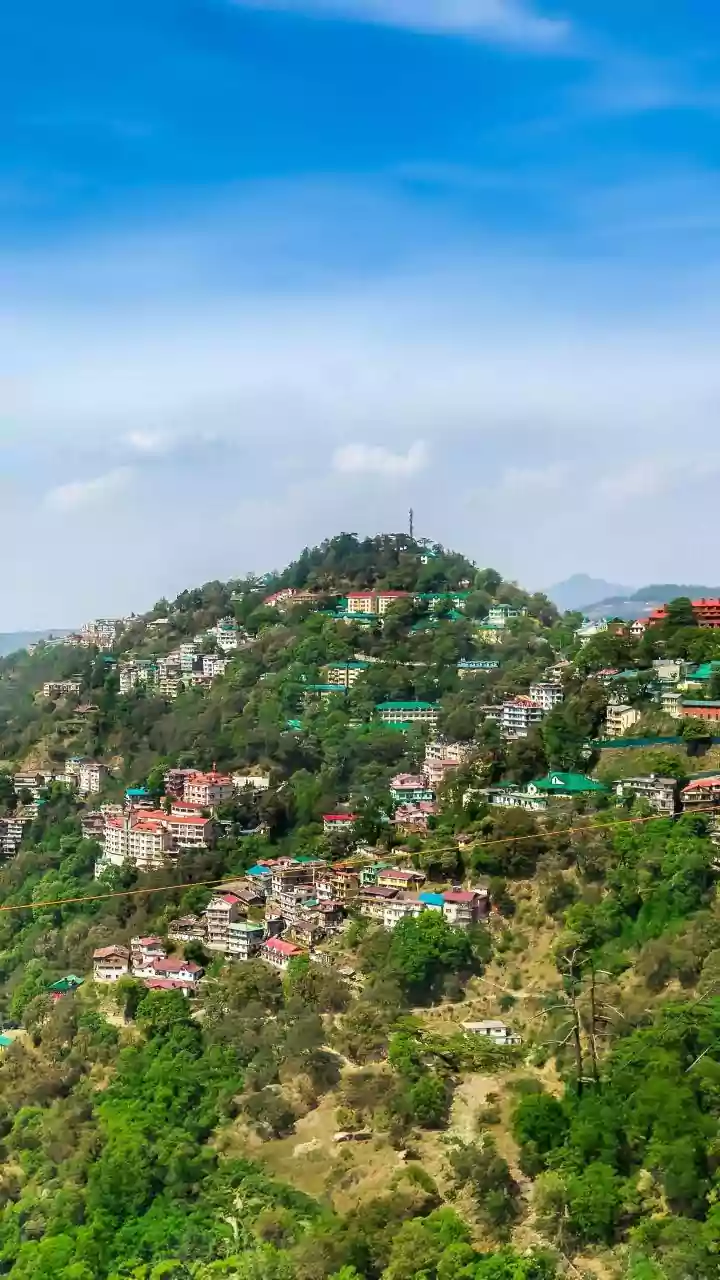
Located about 50 kilometres from the industrial hub of Bokaro Steel City, Sevati Valley transforms into a paradise during the monsoon months. Situated in the Kasmar block along the Jharkhand-West Bengal border, the area sheds its dry persona and dons
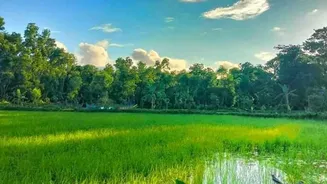
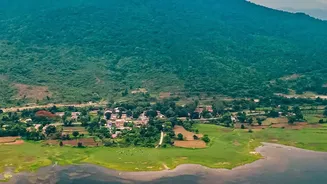
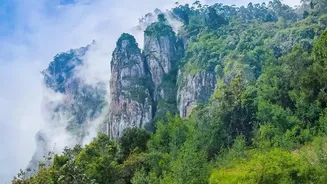
a vibrant cloak of green. The valley, part of the Jhumra Hills, becomes a panorama of rolling landscapes, dense foliage, and cloud-covered peaks. For years, this spot was a secret held close by locals, but it is now gaining fame as a destination for nature lovers and photographers seeking an unspoiled setting. Recent steady monsoon rains have made the valley's scenery even more spectacular, drawing visitors from across the region.
The Allure of the Waterfall
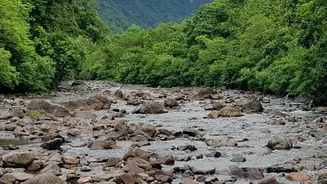
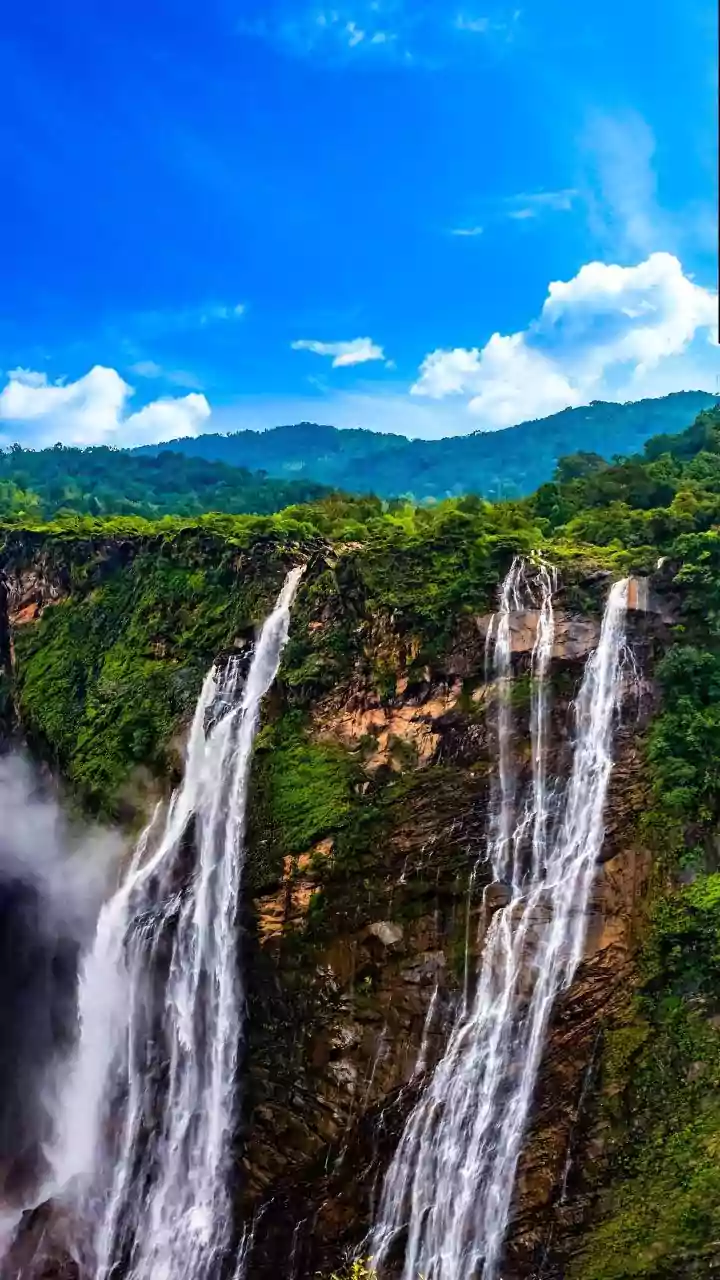
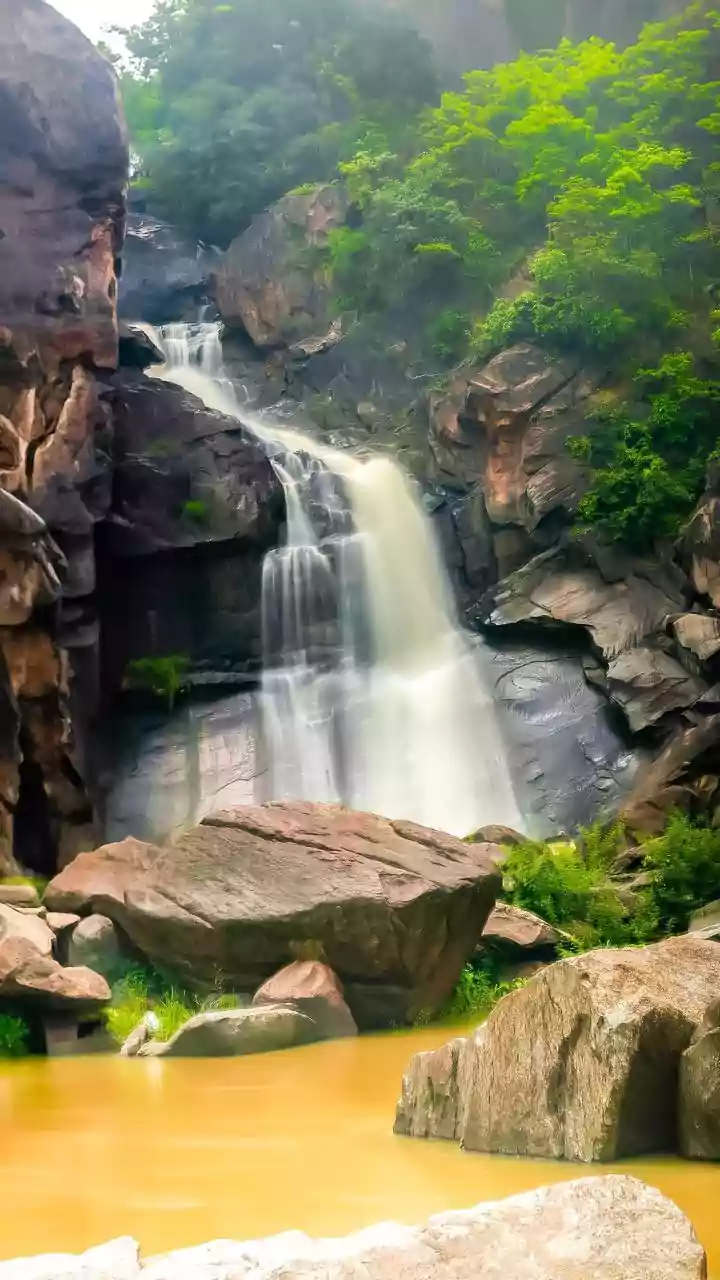
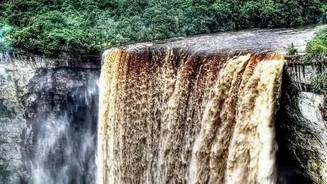
The centrepiece of Sevati’s monsoon charm is its gushing waterfall, which carves a path through the lush hills. This cascade, often referred to locally as the Charchariya or Chirchiriya waterfall, is the main draw, creating a striking landscape that has become a favourite for visitors. The sight of the white water tumbling through the dense greenery prompts many travellers to pull over and simply take in the view. The name itself is sometimes said to be derived from the chirping of birds, adding to the location's natural and serene appeal. It is this powerful display of nature, revived by the seasonal rains, that truly defines the Sevati Valley experience.
Beyond the Main Attraction
While the waterfall is the main event, the valley offers more for the intrepid visitor. The area is a prime spot for picnics, and the scenic beauty makes it a photographer's delight. For those with a taste for adventure, the hills around the Sevati Valley are also suitable for trekking, offering a chance to explore the serene atmosphere and amazing landscapes up close. The journey to the valley itself is part of the experience, with winding roads offering views of the picturesque countryside. It is an ideal destination for a day trip, especially for those looking to escape the city and immerse themselves in a calm, natural environment.
The Path to Paradise: How to Reach
Reaching Sevati Valley requires a road trip from Bokaro, which is well-connected by rail to major cities. The nearest airport is the Birsa Munda Airport in Ranchi. From Bokaro city, the valley is approximately a 50-kilometre drive. Visitors can hire a car or use local transport, though a private vehicle is recommended for flexibility. The drive takes you through rural Jharkhand, offering a glimpse into the local way of life. While the main roads are generally in good condition, the final approach to the valley can be more rugged, adding to the sense of adventure. It's advisable to wear comfortable footwear, especially if you plan to walk near the waterfall, as the paths can be slippery.
An Escape for the Adventurous
So, is Sevati Valley India’s next big monsoon escape? It depends on what you're looking for. While the valley has been listed on the state's tourism map, it remains a raw, natural treasure. Infrastructure is minimal; visitors will not find luxury resorts or bustling cafes here. Local leaders and residents have been advocating for better facilities, such as safety measures, seating areas, and sanitation to improve the tourist experience and create local livelihood opportunities. For now, visitors should come prepared by carrying their own food and water. This lack of commercialisation, however, is precisely its charm. Sevati offers an authentic, off-the-grid experience for those who prioritise untouched nature over curated comfort.