


A Tale of Two Moons
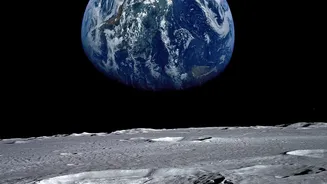
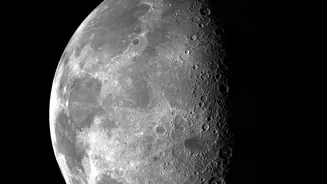
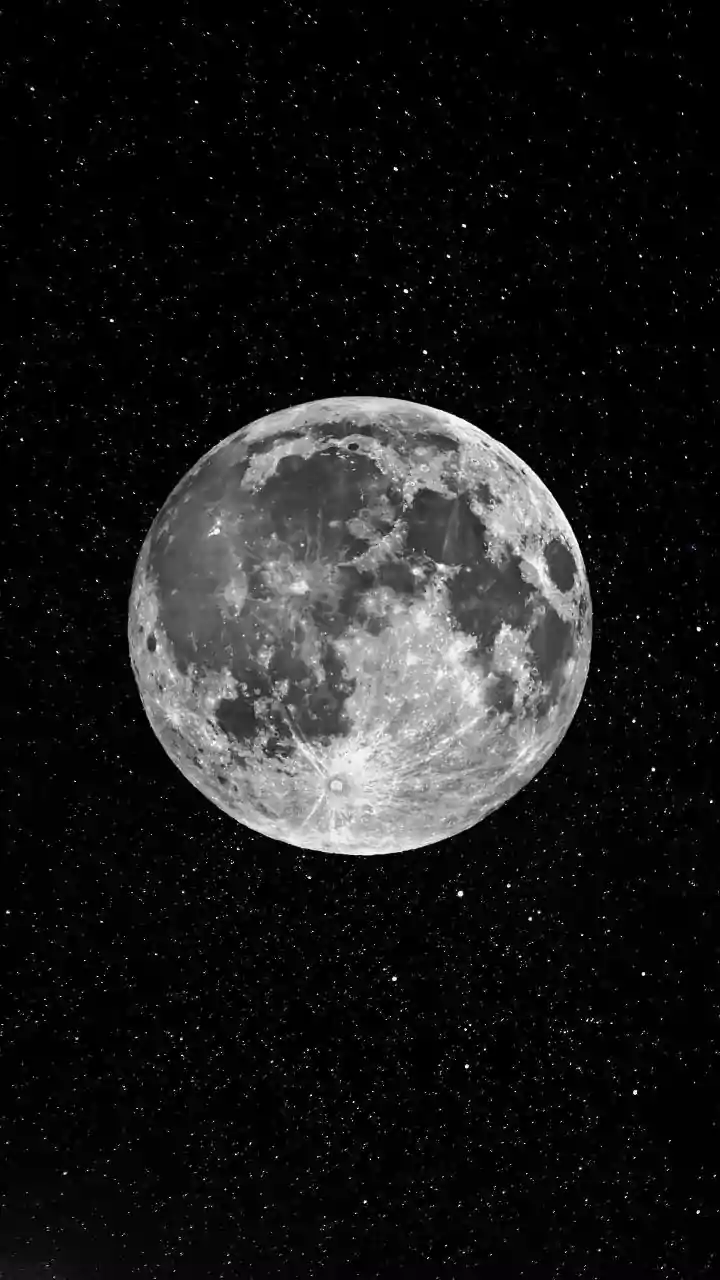
Anyone looking up at the night sky is familiar with the 'Man in the Moon'. Those dark patches, known as 'maria' or seas, are vast plains of ancient, solidified lava. They dominate the lunar nearside, giving it its distinct appearance. But the far side tells
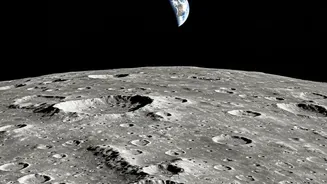
a different story. First revealed by Soviet and American space probes in the 1960s, the far side is rugged, brighter, and almost entirely covered in craters. It has a thicker crust and is conspicuously missing the widespread volcanic plains that define the Earth-facing hemisphere. This stark difference, known as the lunar dichotomy, has been one of the most persistent mysteries in planetary science. Why would one half of the same celestial body evolve so differently from the other?
Historic Mission, Precious Cargo
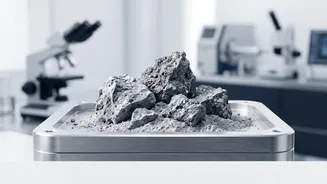
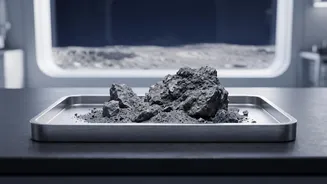
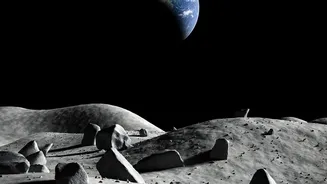
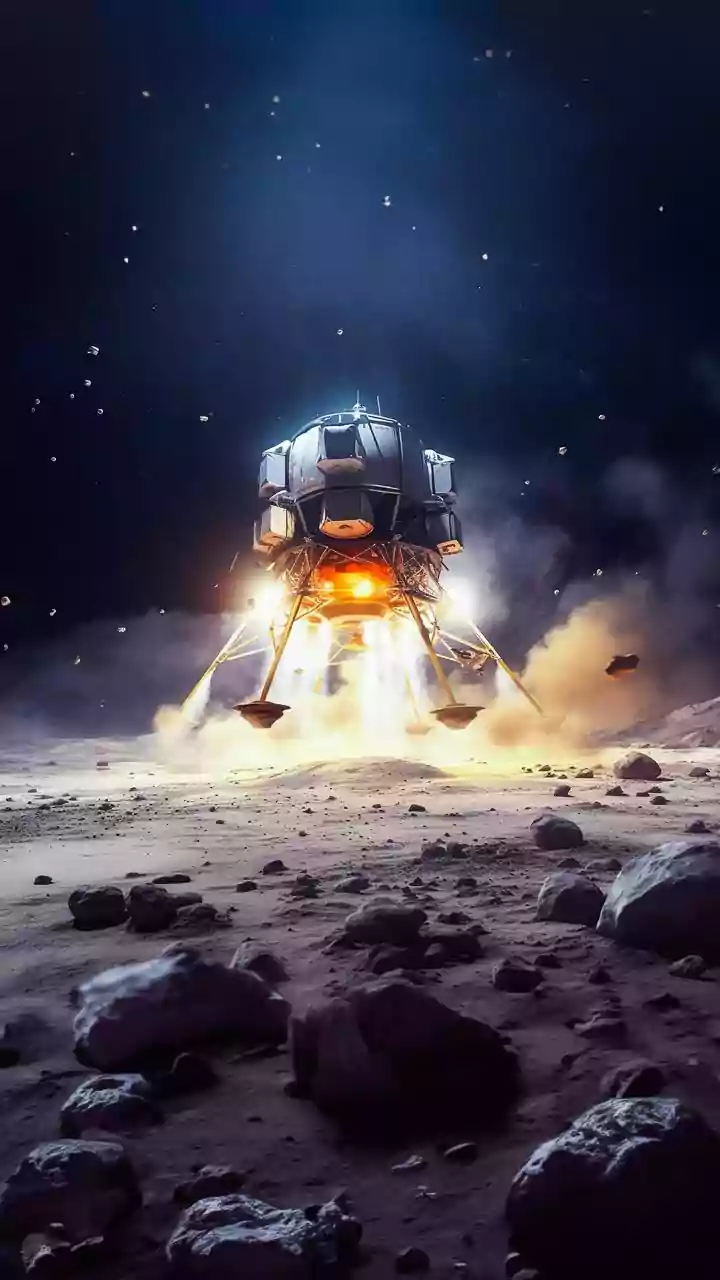
For decades, scientists could only rely on remote sensing data to theorise about the far side's origins. That all changed with China's historic Chang'e-6 mission. In June 2024, it became the first-ever spacecraft to successfully land on the lunar far side, collect samples, and return them to Earth. The probe landed in the South Pole-Aitken (SPA) basin, the largest and oldest impact crater on the Moon, a place scientists believed held key evidence about the Moon's early history. By bringing back nearly two kilograms of precious soil and rock, the mission provided the first opportunity for a direct, hands-on comparison between materials from the Moon's two vastly different hemispheres.
What the Far Side Rocks Reveal
Initial analysis of the Chang'e-6 samples, conducted by teams of scientists, has yielded fascinating insights. Geochemical analysis revealed that while the crusts are very different, the underlying mantle material from which lavas on both sides originated might be surprisingly similar. However, the farside rocks showed key differences. They have extremely low concentrations of what scientists call 'heat-producing elements' like potassium (K), rare earth elements (REE), and phosphorus (P), collectively known as KREEP. These elements were abundant in samples brought back from the nearside by the Apollo missions. Their absence on the far side supports a leading theory for the Moon's two-faced nature.
The Leading Theory: Uneven Heating
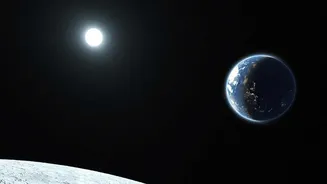
Many scientists now believe the lunar dichotomy was established very early in the Moon's history, shortly after it formed and became tidally locked with Earth. One popular theory, bolstered by the new sample data, suggests that the massive impact that formed the South Pole-Aitken basin generated a colossal plume of heat. This heat wave propagated through the Moon's interior, pushing heat-producing KREEP elements over to the nearside. Another related idea is that early in its life, the Moon was much closer to a still-glowing, hot Earth. The constant radiant heat kept the nearside molten for longer, allowing for a thinner crust to form and more volcanic activity to occur, while the far side cooled faster, forming a thicker, more stable crust. This concentration of radioactive elements on the nearside would have acted like a 'heat blanket', keeping the mantle warmer and fueling volcanic eruptions for billions of years, creating the smooth maria we see today. The far side, with its thicker crust and lack of these elements, saw far less volcanic resurfacing, preserving its ancient, cratered terrain.
A Puzzle Coming into Focus
The analysis from the Chang'e-6 samples has provided the strongest evidence yet to support these heat-related theories. By confirming the low concentration of heat-producing elements in the far side's crust, the data helps explain why it lacked the sustained volcanism of the near side. While researchers now have a clearer picture, the story is not completely finished. The findings indicate that the massive impact at the South Pole-Aitken basin played a crucial and long-lasting role in reshaping the Moon's crust and mantle. This single event may have set the stage for the two faces of the Moon we observe today. Science is a process of assembling a puzzle, and these first-of-their-kind samples represent a major collection of missing pieces.