





A Perfect Breeding Ground for Germs
The single biggest factor that changes during the monsoon is the combination of high humidity and ambient warmth. This duo creates an ideal environment for harmful microorganisms like bacteria (such as Salmonella and E. coli), viruses, and fungi to multiply
rapidly on food surfaces and in the environment. Foods that are perfectly safe in drier weather can spoil much faster. The increased moisture in the air means that even dry goods can absorb it, losing their crispness and becoming susceptible to mould. Perishables like meat, dairy, and even cooked leftovers become high-risk items if not refrigerated immediately.
The Hidden Dangers in Water
Heavy rainfall often leads to waterlogging and flooding, which can overwhelm and compromise municipal water and sewage systems. In many Indian cities and towns, ageing pipelines for drinking water run alongside drainage and sewage lines. During floods, cracks or loose joints in these pipes can allow contaminated water from the outside to seep into the clean water supply. This contamination is often invisible; water can look and taste normal but carry dangerous pathogens responsible for diseases like typhoid, cholera, gastroenteritis, and hepatitis A. Health authorities consistently point to contaminated water as a primary source of the surge in stomach infections during this season.
Navigating Street Food Risks
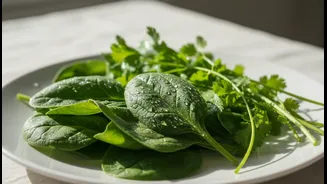
Enjoying street food is a cherished part of Indian culture, but it becomes significantly riskier during the monsoon. Openly displayed foods are more exposed to the damp environment, dust, and flies, which can transfer germs. The water used to make popular items like chutneys, pani puri, or even to wash vegetables can be contaminated. Raw ingredients, such as chopped onions or coriander used as garnish, can trap dirt and bacteria if not washed with clean, potable water. Experts advise opting for freshly prepared, hot-cooked items and avoiding raw salads, pre-cut fruits, and drinks made with ice from unknown sources.
Your Kitchen: The First Line of Defence
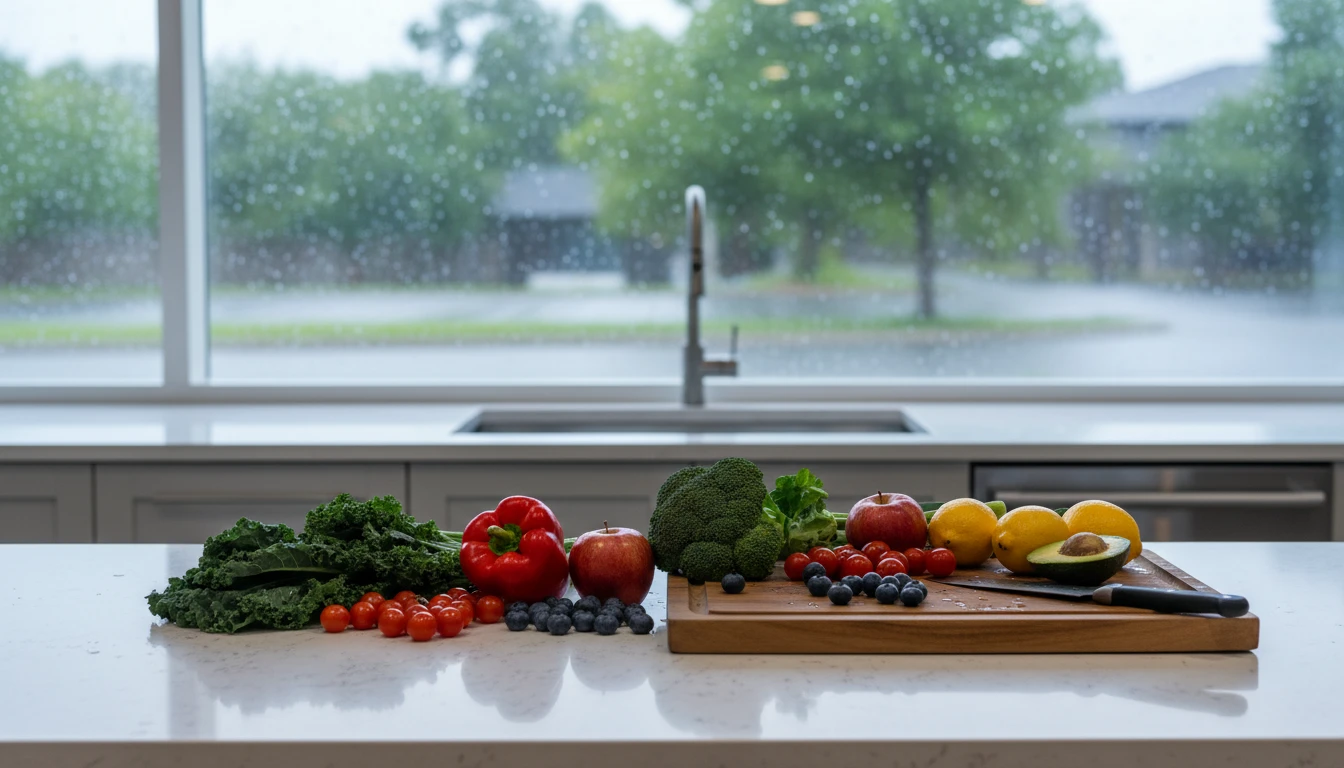
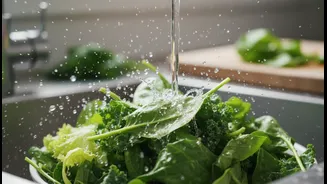
While you can't control the weather, you can control your kitchen environment. Personal and kitchen hygiene become paramount. Washing hands with soap before and after handling food is a non-negotiable first step. All fruits and vegetables must be washed thoroughly under clean, running water. Leafy greens, which can trap soil and germs, may need extra attention, such as soaking in salt water. It's also crucial to prevent cross-contamination by using separate chopping boards and utensils for raw meat and vegetables. Finally, kitchen surfaces should be kept clean and dry to discourage microbial growth.
Smart Cooking and Storage Habits
How you cook and store food can make all the difference. Always cook food thoroughly to kill any potential pathogens. During monsoon, it's best to consume food while it is fresh and hot. Avoid leaving cooked food at room temperature for more than a couple of hours; the high humidity can accelerate spoilage. Leftovers should be refrigerated promptly in airtight containers. When reheating food, ensure it is brought to a steaming hot temperature to destroy any bacteria that may have developed during storage. This is also a good time to avoid raw foods like salads and sprouts unless you have prepared them yourself with the utmost care.
Safe Water and Strong Immunity
Given the high risk of water contamination, it is safest to drink only boiled, filtered, or purified water. Never assume tap water is safe to drink directly, even if it appears clear. Beyond avoiding illness, you can also support your body's natural defences. Eating a balanced diet rich in vitamins and minerals can help boost your immunity. Including immunity-boosting foods like citrus fruits, ginger, and turmeric in your diet can be beneficial during this season of high exposure to infections. Staying well-hydrated with safe water is also key to overall health.