




The Crisper Drawer Conundrum
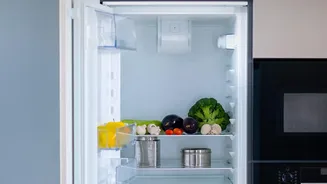
That special drawer at the bottom of your refrigerator is designed to be a produce paradise. Often called a crisper or humidity drawer, its main job is to maintain a more humid environment than the rest of the fridge, which is great for vegetables that
are prone to wilting, like leafy greens. Many have a sliding vent that lets you choose between high humidity (vent closed) and low humidity (vent open). For greens, a high-humidity setting is ideal because it traps moisture, helping to keep leaves from drying out. The problem is that produce also releases its own moisture as it sits, and when that moisture has nowhere to go in a sealed-off drawer, it can create a swampy microclimate that accelerates rot.
The Science of Soggy Greens
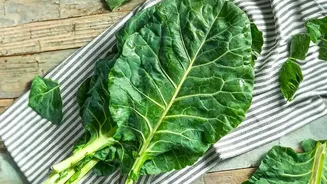
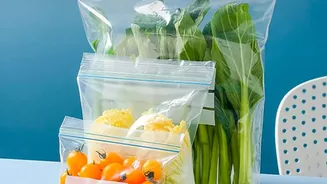
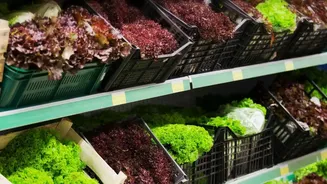
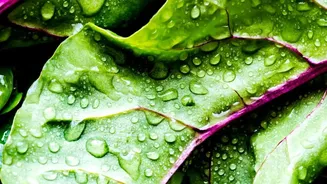
The enemy of fresh lettuce isn't just one thing, but a combination of factors. The primary culprit is excess moisture. When water droplets sit on the delicate surface of leaves, they create the perfect breeding ground for the bacteria and mold that cause greens to turn into a brown, slimy mess. This issue is compounded by a gas called ethylene, which many fruits and some vegetables release as they ripen. Leafy greens are highly sensitive to ethylene, which speeds up their own decay process, causing them to wilt and rot faster. Trapping greens in an airtight plastic bag or container can seem like a good idea, but it often makes things worse by sealing in both moisture and any ethylene gas present.
Enter the Humble Paper Towel
This is where the paper towel comes to the rescue. By lining your crisper drawer or placing a sheet directly into a container of greens, you introduce an absorbent layer that manages the moisture for you. The paper towel wicks away the excess condensation that produce releases, preventing it from pooling on the leaves. This keeps the environment humid enough to prevent wilting but dry enough to inhibit rot, striking the perfect balance. Think of it as a low-cost, disposable dehumidifier for your vegetables. As a bonus, it also helps keep your crisper drawer cleaner by catching any drips or stray leaves.
The Method: A Step-by-Step Guide
Getting this trick to work is simple, but a few details make a big difference. First, prepare your greens. Wash them thoroughly and, most importantly, dry them well. A salad spinner is excellent for this, but blotting them carefully with a clean kitchen towel also works. Storing wet greens is a recipe for slime, even with a paper towel. Next, line the bottom of your crisper drawer or a hard-sided storage container with a few paper towels. Place the dry greens on top, making sure not to pack them too tightly, as good airflow is also important. For extra protection, you can place another paper towel on top of the greens before closing the container or drawer.
Pro_Tips for Peak Freshness
To get the most out of this method, check the paper towels every couple of days. If they feel damp, replace them with fresh, dry ones. A saturated paper towel can no longer absorb moisture and will become part of the problem. Remember to store ethylene_producing fruits like apples, pears, and avocados separately from your sensitive greens; use a different drawer if you have one. While the paper towel trick works wonders for extending the life of your produce for up to a week or more, it's not magic. Keep an eye on your greens and remove any leaves that start to look yellow or slimy to prevent them from affecting the rest of the bunch.