






The Allure of the 'Scotland of India'
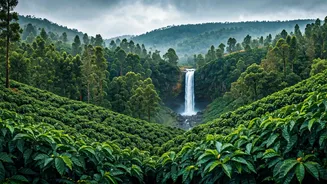
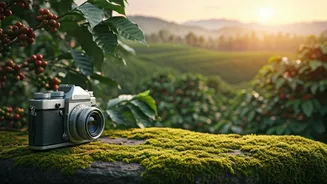
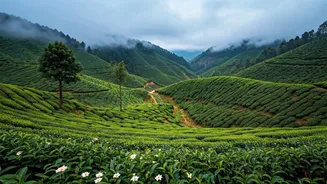
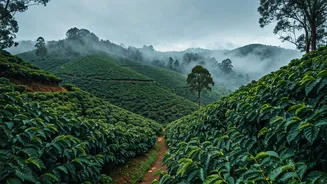
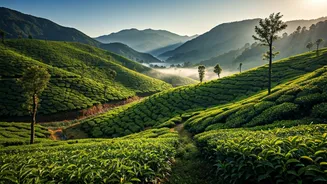
It’s easy to see why Kodagu, popularly known as Coorg, is called the 'Scotland of India'. Nestled in the Western Ghats, its rolling hills are draped in endless green, from dense forests to meticulously cultivated coffee estates. The air is thick with
the scent of coffee blossoms and spices, and the landscape is punctuated by stunning natural wonders like Abbey Falls and Iruppu Falls, which are especially powerful during the monsoon. Attractions like Raja's Seat offer panoramic views that turn fiery at sunset, while the gentle giants at Dubare Elephant Camp provide a unique interaction with wildlife. This picturesque setting makes it a year-round destination for travellers seeking tranquillity and natural beauty, whether it's the cool, dry winter perfect for trekking or the lush, dramatic monsoon that appeals to photographers and romantics.
The Reality Check: Navigating Coorg's Roads
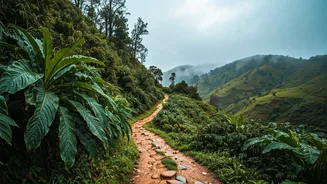
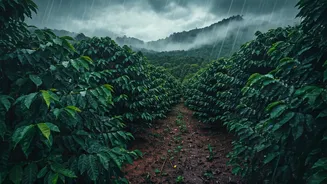
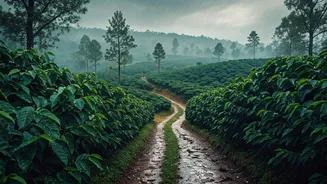
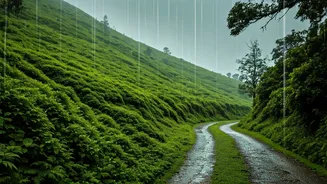
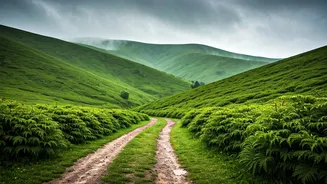
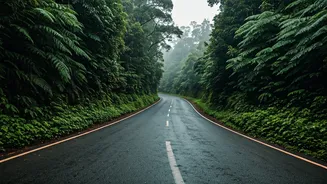
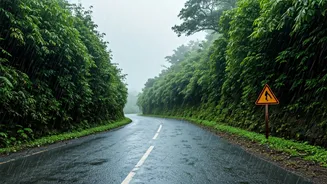
The very geography that makes Coorg so beautiful also makes it a challenge to navigate. The roads are often narrow, winding, and full of blind curves that require constant vigilance. During the monsoon season (June to September), these challenges are amplified. Heavy rainfall can make roads slippery, reduce visibility to near zero with dense fog, and even lead to landslides that can block routes for days. In the past, severe weather has prompted district authorities to issue advisories urging tourists to postpone their trips for safety reasons. Even outside the monsoon, driving after sunset is not recommended as the unlit, winding roads can become disorienting for those unfamiliar with the terrain.
A Driver's Guide to the Ghats
If you plan to drive, preparation and patience are non-negotiable. Before you even start, ensure your vehicle is in excellent condition, with special attention to tyres, brakes, and lights. On the road, the golden rule of the ghats is to give way to traffic moving uphill, as they require more momentum to proceed. Use your horn liberally at blind turns to announce your presence to oncoming traffic. Never overtake on a curve or a hairpin bend; wait for a clear, straight stretch. When driving downhill, use a low gear to control your speed through engine braking, rather than relying solely on your brakes, which can overheat. And perhaps most importantly, drive slowly. The goal is not just to reach your destination, but to do so safely while respecting the unpredictable nature of the hills.
Hiring Smart and Staying Safe
For those who prefer not to drive, hiring a local taxi is an excellent option. Local drivers are intimately familiar with the terrain, weather patterns, and road conditions. They know which routes are prone to blockage and can navigate the tricky ghat sections with an expertise that outsiders often lack. During peak tourist seasons or long weekends, it's wise to book transportation well in advance, as availability can be scarce. When hiring a vehicle, don't hesitate to check its condition. Also, be aware that while rare, incidents of robbery on remote stretches have been reported, making it even more crucial to avoid travelling on isolated roads late at night.
The Best Time to Travel, with a Caveat
The ideal time to visit Coorg is generally considered to be from October to May, when the weather is pleasant and the roads are at their most reliable. This window allows for comfortable sightseeing and trekking. However, the monsoon has its own unique, misty charm that draws many visitors. If you choose to travel between June and September, do so with your eyes wide open. Expect travel disruptions, potential road closures, and limited access to some tourist spots. Always check the weather forecast and local advisories before you leave. A trip during the rains requires a flexible itinerary and the understanding that your plans may need to change based on what Mother Nature decides.