


Understanding Earthy Minimalism
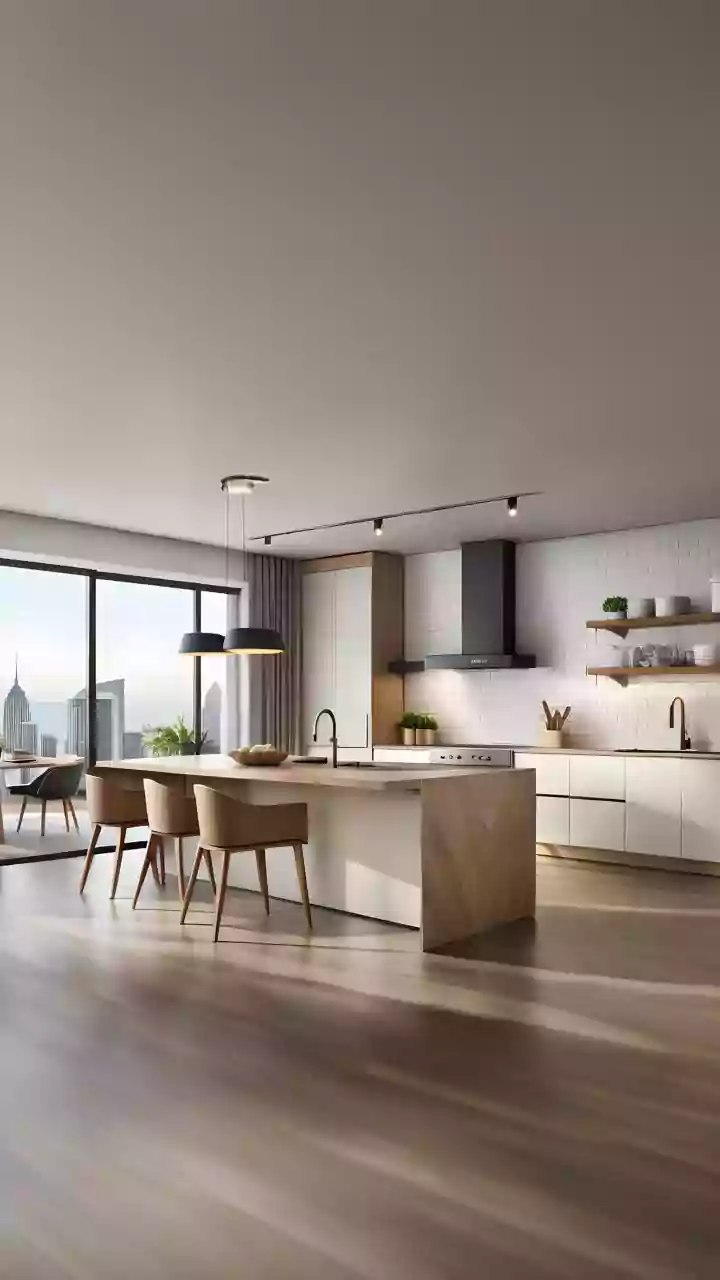
Forget the image of cold, impersonal minimalist spaces. Earthy minimalism is its warmer, more soulful cousin. This design philosophy combines the simplicity and clean lines of minimalism with the warmth and texture of the natural world. The goal isn't
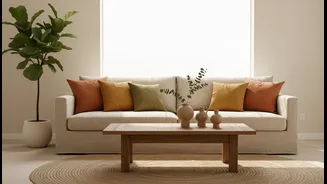
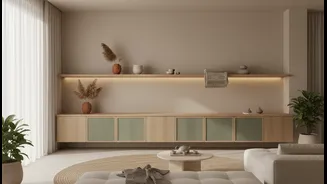
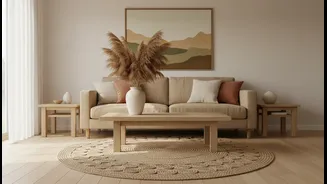
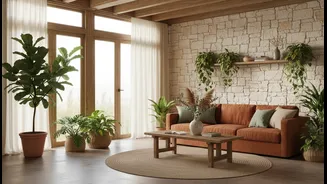
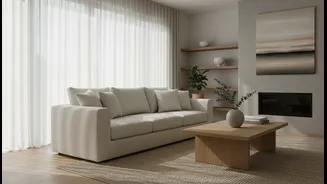
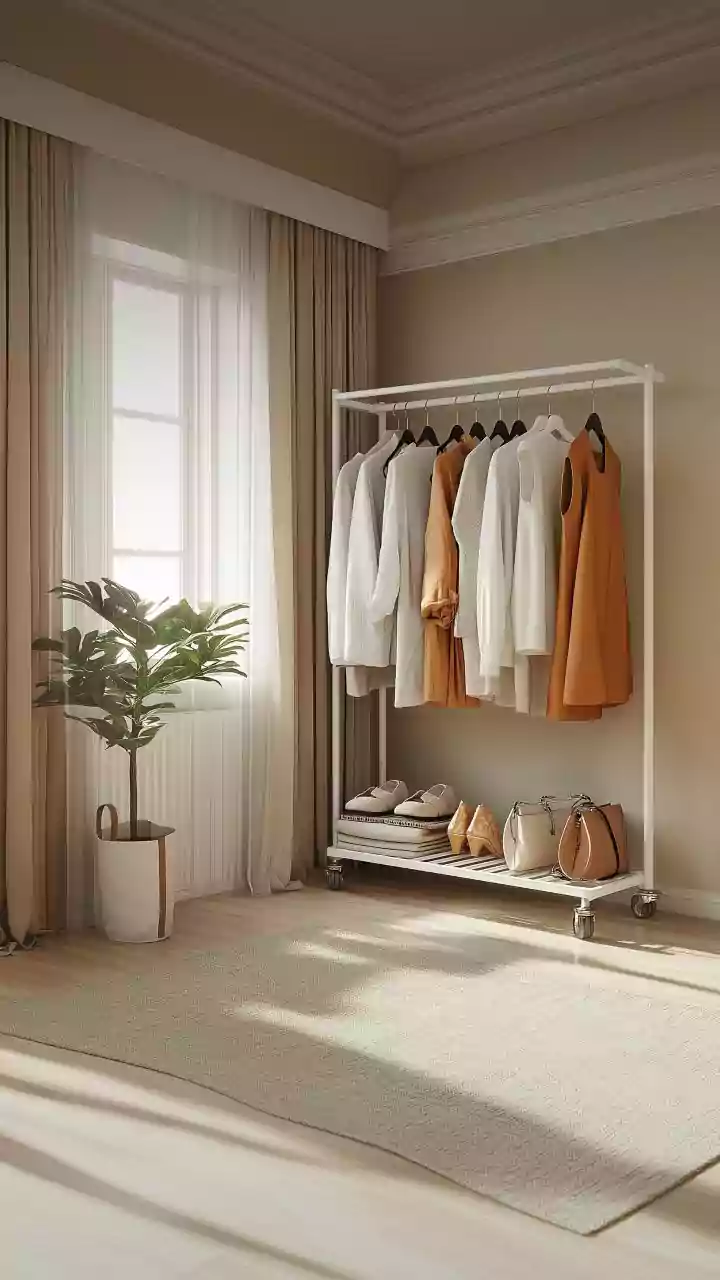
to simply own less; it's to curate a home with pieces that are both beautiful and meaningful, creating an atmosphere of calm and comfort. The palette is drawn directly from nature: think shades of cream, sand, terracotta, soft olive, and muted browns. These tones create a serene backdrop that feels grounded and deeply welcoming. The focus is on natural materials like wood, stone, linen, and wool, which bring authenticity and character to a space.
The Personal Touch of Books
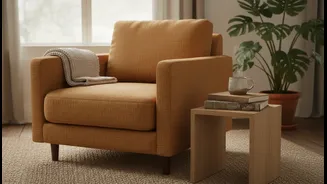
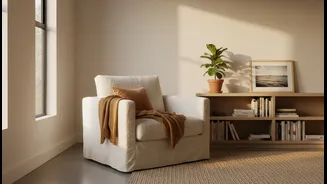
In a truly minimalist space, books might be hidden away. But in an earthy minimalist home, they are celebrated. Books add personality, colour, and a lived-in warmth that is essential to the style. Instead of being clutter, they are a key decorative element that tells a story about who you are. Consider using stacks of books to create varying heights on a side table or console, turning them into a platform for a small plant or a ceramic object. You can also make a statement with a wall-to-wall bookshelf, arranging your collection in a way that feels personal to you. For a cohesive look, you can group books by colour or even wrap them in neutral paper, like brown butcher paper or burlap, to add texture without visual noise. The key is to treat them as art, letting them add character and warmth.
Weaving in Warmth with Textiles
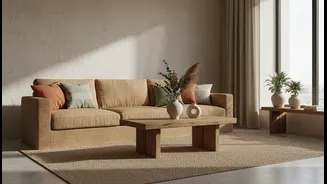
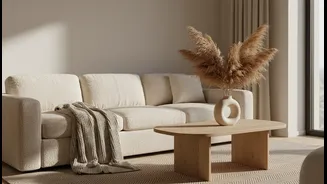
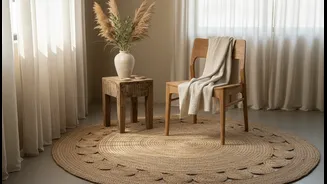
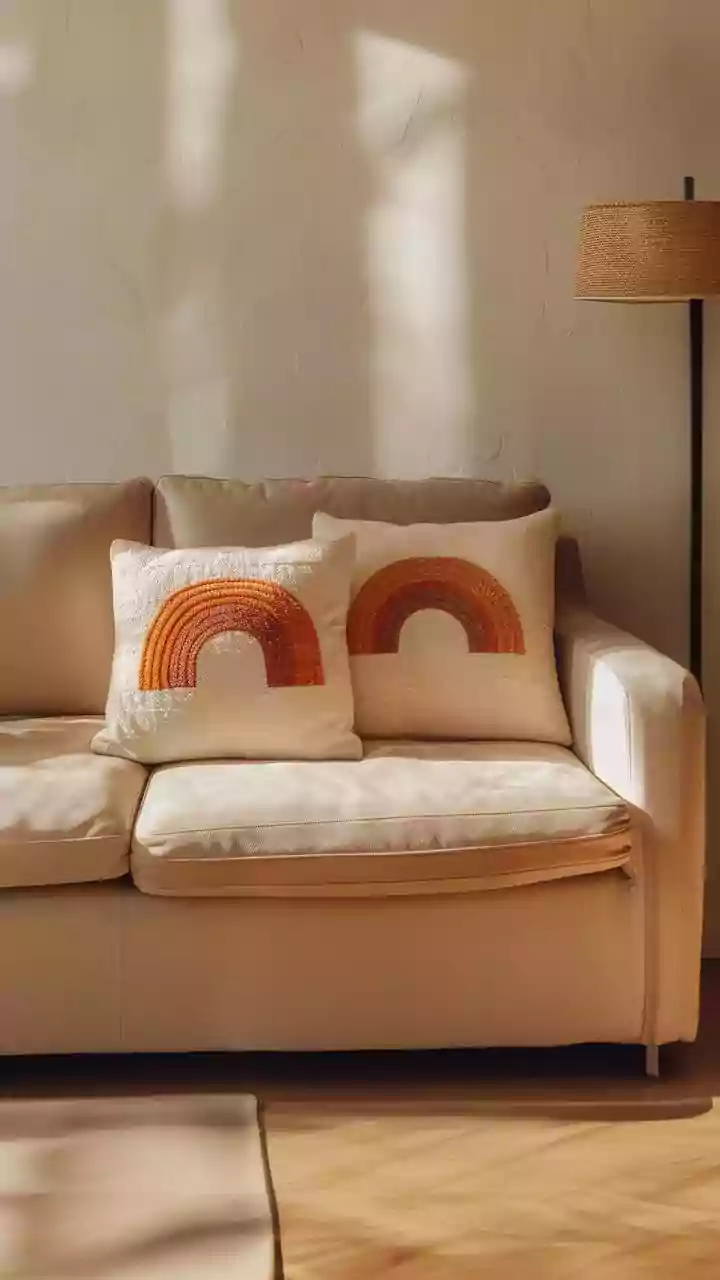
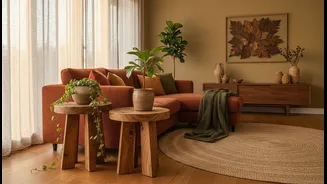
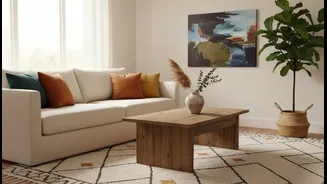
Texture is perhaps the most important element in an earthy minimalist home, and textiles are the easiest way to introduce it. They prevent the space from feeling flat and add a crucial layer of comfort. Think of chunky knit throws draped over a sofa, linen curtains that soften natural light, or a durable jute rug to ground the living area. Fabrics like cotton, wool, and linen are ideal, as their natural textures are both visually appealing and pleasant to the touch. When choosing colours, stick to the earthy palette of warm neutrals, greens, and clay-inspired tones. A few well-chosen cushions in shades of sage or rust can add a pop of colour without overwhelming the calm aesthetic. These textile layers create a sense of cosiness and invite you to relax.
The Soul of Handmade Pieces
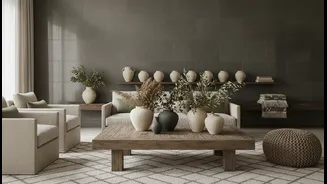
To prevent a minimalist space from feeling generic or like a showroom, incorporating handmade items is essential. Artisan pieces bring a human touch and a sense of history that mass-produced objects lack. These items—a hand-thrown ceramic vase with its subtle imperfections, a carved wooden bowl, or a woven wall hanging—tell a story and add unique character. The slight irregularities in handcrafted decor celebrate the human element and add organic softness to modern, clean lines. These are not just decorative objects; they are a connection to craftsmanship and a more thoughtful way of living. By choosing quality, handmade items over fleeting trends, you invest in pieces that have longevity and bring a deeper sense of meaning into your home.