
Meet Moringa: The ‘Miracle Tree’
Long before it became a trendy latte, Moringa oleifera, or the drumstick tree, was a staple in Indian households and traditional Ayurvedic medicine. Native to the sub-Himalayan regions of India, this resilient plant is often called the “miracle tree”
because nearly every part of it—from leaf to root—is packed with value. Its leaves, in particular, are a nutritional powerhouse, celebrated for generations in everything from daily cooking to remedies for common ailments. This deep-rooted history in Indian culture gives moringa an authenticity that other wellness trends often lack, making its journey into modern cafes feel less like a discovery and more like a rediscovery.
The Wellness Wave in a Cup
So, why the sudden surge in popularity? The answer lies in its impressive nutritional profile. Moringa is naturally rich in vitamins, minerals, and antioxidants like quercetin and chlorogenic acid. Unlike coffee, which provides a stimulating high through caffeine, moringa offers a more sustainable, nutrient-based form of energy. It's loaded with iron, B vitamins, and magnesium, which support the body's natural energy processes without the risk of a caffeine-induced crash later in the day. For a growing number of consumers looking for functional beverages that do more than just quench thirst, moringa's potential anti-inflammatory and blood-sugar-stabilising properties make it an attractive choice.
Coffee vs. Moringa: A Different Kind of Buzz
The core difference between an iced coffee and an iced moringa latte is the energy experience. Coffee is a stimulant; its caffeine provides a rapid, noticeable spike in alertness that many people rely on to start their day or push through a slump. However, that reliance can come with jitters, anxiety, and disrupted sleep. Moringa, on the other hand, is entirely caffeine-free. The energy it provides is not a stimulant buzz but a gentle, nutritional lift. Patrons are choosing it not to replace the coffee 'hit' but to sidestep it entirely, opting for sustained energy without the adrenal spike and subsequent crash. It’s a shift from seeking a quick fix to investing in a more balanced, foundational sense of vitality.
From Powder to Artisanal Brew
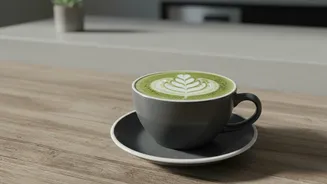
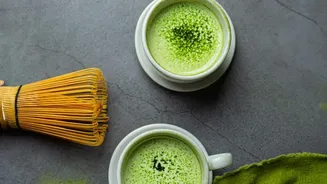
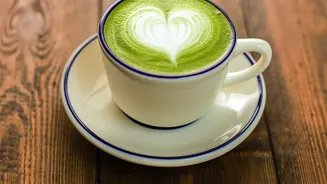
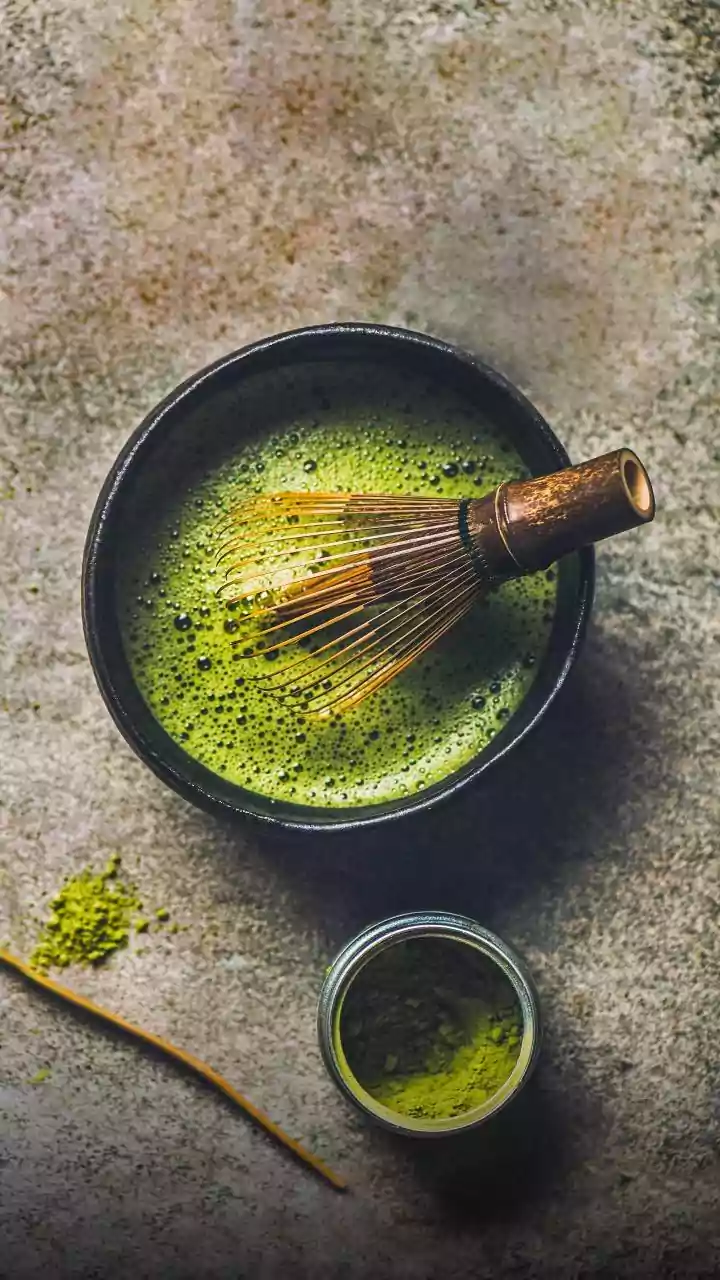
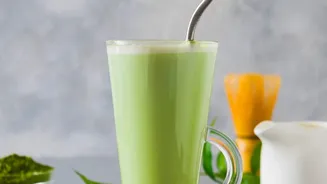
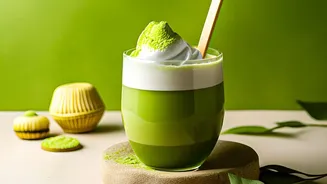
The moringa you find in cafes today is a far cry from a spoonful of bitter powder stirred into water. Baristas are treating it with the same reverence as single-origin coffee or ceremonial matcha. The key is in the preparation. High-quality moringa powder is first whisked into a smooth, vibrant green paste with a little warm water to avoid clumping and bitterness. This paste is then blended with steamed or cold milk—often plant-based options like oat, almond, or coconut milk, which complement its earthy flavour. These milks also serve a functional purpose: the fats help the body absorb moringa's fat-soluble vitamins, making the drink more nutritionally effective. Sweetened naturally with jaggery, honey, or dates and sometimes spiced with cardamom or cinnamon, these artisanal brews are designed to be delicious, not just medicinal.
Why Cafes Are Embracing the Green
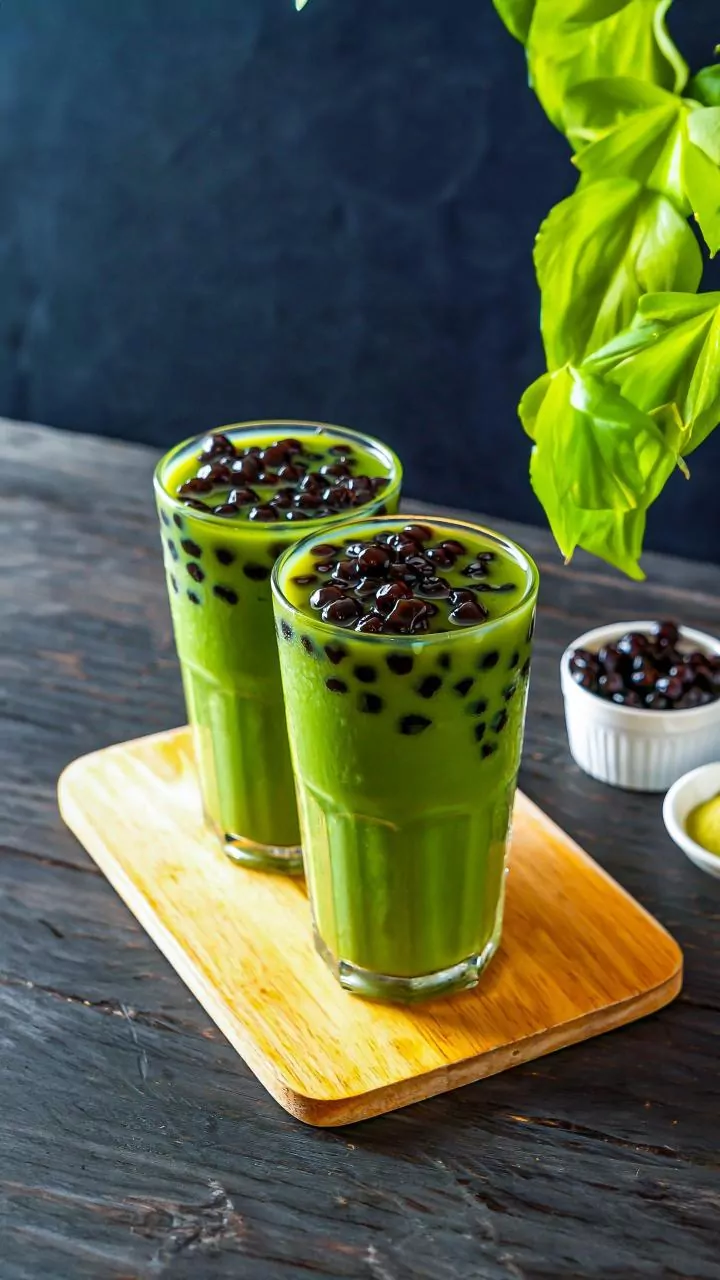
For cafes, adding moringa to the menu is a smart move. It taps directly into the massive global trend of functional, wellness-oriented beverages. It offers a sophisticated, caffeine-free alternative that appeals to a broad audience, from fitness enthusiasts to those simply trying to reduce their caffeine intake. Furthermore, its striking green colour is highly photogenic, making it a natural fit for social media feeds, which drives curiosity and foot traffic. It positions the cafe as being in tune with modern health trends while also celebrating a plant with deep cultural roots in India. As consumers become more mindful about their choices, the humble moringa leaf, transformed into a creamy, artisanal brew, is proving it has a firm place on the modern cafe menu.